India's energy strategy averted Hormuz fuel crisis, says former IOCL chief

Synopsis
India's ability to raise non-Hormuz crude imports from 55% to 70% within weeks of the Strait of Hormuz conflict wasn't improvised — it was the payoff of a decade-long supply diversification drive that expanded India's crude supplier base from 27 to 41 countries. Former IOCL Chairman B. Ashok's account reveals how refinery upgrades and port logistics quietly built the resilience that kept Indian fuel supplies uninterrupted during a major geopolitical flashpoint.
Key Takeaways
Former IOCL Chairman B.
Ashok said India's crisis response during the Strait of Hormuz conflict was built on years of strategic planning, not reactive measures.
India shifted non-Hormuz crude imports from 55 per cent to 70 per cent within weeks of the disruption.
India imported crude from 41 countries in 2026 , up from 27 countries a decade ago.
Modern Indian refineries have been upgraded to handle multiple crude grades with varying API gravity and sulphur content .
Indian ports can now handle Very Large Crude Carriers (VLCCs) and manage shipping timelines ranging from 5 days (Middle East) to nearly a month (Americas).
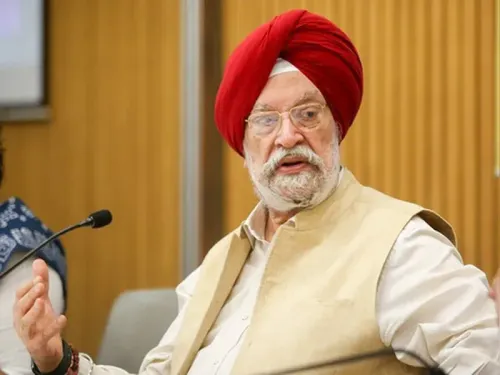
India's capacity to rapidly shift crude oil sourcing and avert a major fuel crisis during the recent Strait of Hormuz conflict was the product of decades of strategic infrastructure investment and global energy partnerships — not a reactive measure, former Indian Oil Corporation Limited (IOCL) Chairman B. Ashok said on Tuesday, 30 June. Speaking in New Delhi, Ashok attributed India's resilience to sustained planning that had quietly strengthened the country's energy security long before the crisis emerged.
How India Shifted Its Crude Supply in Weeks
Before the conflict, approximately 45 per cent of India's crude oil imports transited through the Strait of Hormuz, with the remaining 55 per cent sourced from other regions. Within weeks of the disruption, India raised the share of non-Hormuz crude to 70 per cent, sharply reducing its exposure to the conflict zone.
'This rapid adjustment was not an overnight reaction; it was the result of infrastructure and relationships built over a substantial period,' Ashok said.
A Supplier Base Built Over a Decade
India has significantly broadened its crude oil supplier network over the past decade, importing from 41 countries in 2026 compared to 27 countries roughly ten years ago. Ashok noted that achieving this level of diversification required 'sustained diplomatic engagement, commercial partnerships and the ability to operate across different legal and regulatory environments.'
This comes amid a broader global trend of energy-importing nations de-risking supply chains following repeated geopolitical flashpoints in the Middle East. India's approach — building redundancy before a crisis rather than scrambling during one — stands in contrast to the reactive postures seen in several other large importers.
Refinery Modernisation and Logistics Upgrades
Refinery upgrades were a critical enabler. Unlike older facilities designed for a single crude grade, modern Indian refineries have been retrofitted to process multiple grades with varying API gravity and sulphur content, giving operators the flexibility to substitute supply sources at short notice.
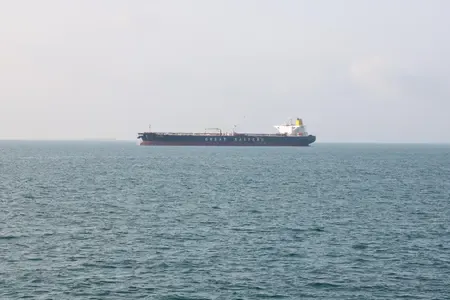
On the logistics front, Indian ports and supply chains have been strengthened to handle different classes of crude carriers, including Very Large Crude Carriers (VLCCs). The upgrades also account for vastly different shipping durations — roughly five days from the Middle East versus nearly a month from the Americas. 'The industry has built critical reliability mechanisms over time to manage these logistical shifts, enabling India to tackle the crisis effectively,' Ashok said.
The Broader Lesson for Energy Security
Ashok credited long-term investment in refining capacity and energy infrastructure for ensuring uninterrupted domestic fuel supplies despite escalating geopolitical tensions. The episode, he argued, validates a model of proactive, multi-decade energy planning rather than crisis-driven policymaking.
Notably, India's ability to absorb a major chokepoint disruption without triggering domestic fuel shortages or price shocks marks a significant stress-test of its energy architecture — one that will likely inform future infrastructure and diplomacy decisions. With global energy routes remaining vulnerable to geopolitical risk, the pressure to deepen supply diversification further is unlikely to ease.
Point of View
Real-world outcome — and the numbers are credible. Moving from 55% to 70% non-Hormuz crude in weeks is not a trivial operational feat; it required pre-positioned logistics, multi-grade refinery capacity, and active diplomatic groundwork across 41 supplier nations. What mainstream coverage tends to underplay is that this resilience was not policy-driven in the moment — it accumulated quietly through commercial decisions and port investments over a decade. The harder question, which Ashok does not fully address, is whether India's strategic petroleum reserves and downstream distribution networks are equally stress-tested, or whether the upstream diversification masks vulnerabilities further down the supply chain.
NationPress
29 Sept 2026
Frequently Asked Questions
How did India avoid a fuel crisis during the Strait of Hormuz conflict?
India rapidly diversified its crude oil sourcing, raising the share of imports from outside the Strait of Hormuz from 55 per cent to 70 per cent within weeks of the disruption. Former IOCL Chairman B. Ashok attributed this to years of advance infrastructure investment, refinery modernisation, and diplomatic partnerships — not a crisis-driven reaction.
What is the Strait of Hormuz and why does it matter for India?
The Strait of Hormuz is a critical global oil chokepoint through which roughly 45 per cent of India's crude oil imports were passing before the recent conflict. A blockage or disruption there directly threatens fuel supply chains for one of the world's largest oil-importing nations.
How many countries does India import crude oil from in 2026?
India imported crude oil from 41 countries in 2026, up from 27 countries approximately a decade ago. This expanded supplier base was central to India's ability to substitute supply sources quickly during the Hormuz disruption.
What role did refinery upgrades play in India's energy resilience?
Modern Indian refineries have been retrofitted to process multiple grades of crude oil with varying API gravity and sulphur content, unlike older facilities built for a single crude type. This flexibility allowed refiners to switch to alternative crude sources without halting operations during the supply disruption.
Who is B. Ashok and what did he say about India's energy strategy?
B. Ashok is the former Chairman of Indian Oil Corporation Limited (IOCL), India's largest state-owned oil refiner. He said on 30 June that India's swift response to the Hormuz conflict was 'the result of infrastructure and relationships built over a substantial period,' crediting sustained investment in refining, logistics, and diplomatic energy partnerships.