National Rozgar Mela: 12.75 lakh appointment letters issued across 20 editions
Synopsis
With 12.75 lakh appointment letters issued across 20 editions in roughly three years, the National Rozgar Mela has outpaced its original 10 lakh target — and PM Modi's personal presence at each edition signals how central this programme is to the government's employment narrative. The real question is whether letter volumes are matched by actual onboarding.
Key Takeaways
The National Rozgar Mela has issued 12.75 lakh appointment letters across 20 editions since October 2022 .
The programme was launched with an initial target of 10 lakh government jobs — a target it has now exceeded.
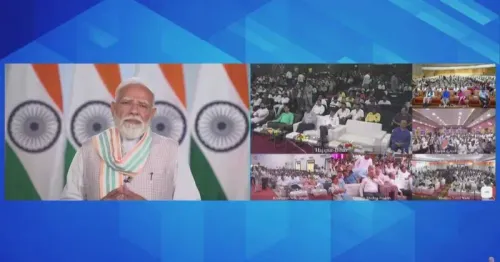
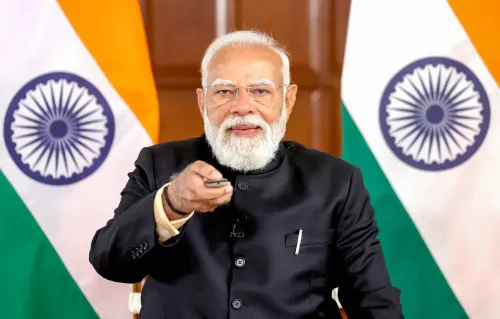
Prime Minister Narendra Modi distributed over 51,000 letters at the 20th edition on 19 September 2026 via video conferencing.
Recruits have joined the Ministry of Railways , Ministry of Home Affairs , Department of Posts , and several other Central departments.
Hiring is conducted through UPSC , SSC , and Railway Recruitment Boards ; the NSDC co-organises skilling and private-sector components.
The first edition in 2022 distributed over 75,000 letters across 50 locations .
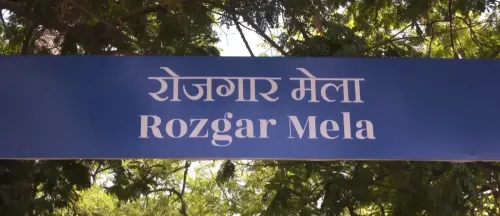
The National Rozgar Mela initiative has issued 12.75 lakh appointment letters across 20 editions since its launch in October 2022, according to a government factsheet released on Saturday, 19 September 2026. What began as a targeted push to fill 10 lakh government positions has since evolved into a mission-mode nationwide recruitment effort spanning dozens of Central ministries and departments.
Key Developments at the 20th Edition
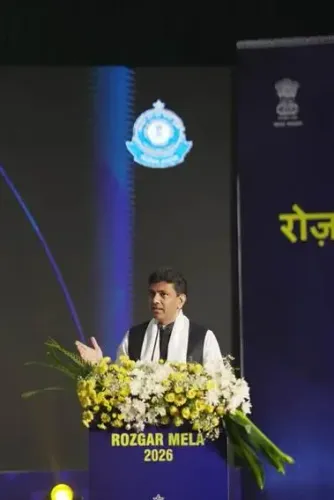
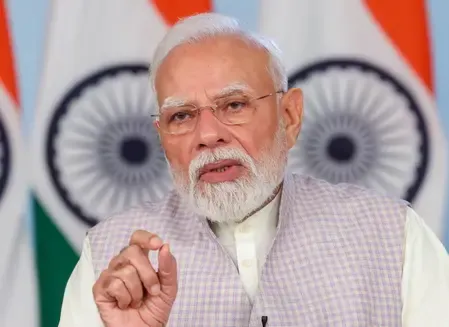
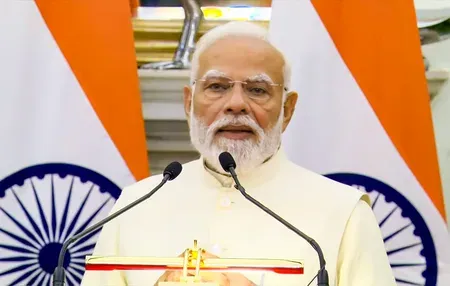
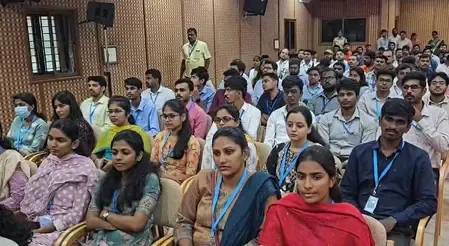
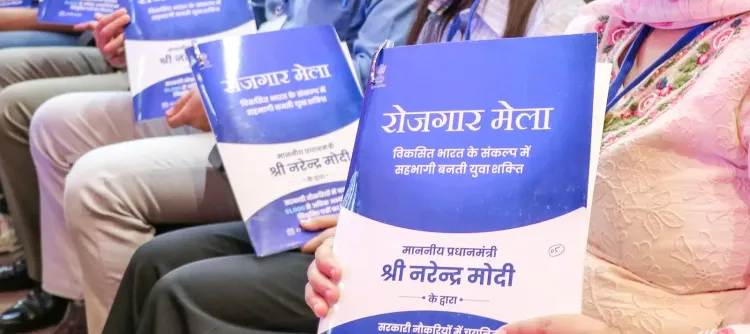
The milestone was reached alongside the 20th edition of the mela, during which Prime Minister Narendra Modi addressed participants via video conferencing and distributed over 51,000 appointment letters to newly inducted recruits across government departments and organisations. The event underscored the programme's growing scale — the inaugural mela in 2022 had distributed more than 75,000 letters at 50 locations nationwide.
Which Departments Are Hiring
According to the factsheet, new recruits have joined the Ministry of Railways, Ministry of Home Affairs, Department of Posts, Ministry of Health and Family Welfare, Department of Financial Services, Ministry of Labour and Employment, and several other departments. Recruitment is conducted through established agencies including the Union Public Service Commission (UPSC), the Staff Selection Commission (SSC), and Railway Recruitment Boards (RRBs).
Beyond Recruitment: Skills and Entrepreneurship
The initiative is not limited to government hiring. The National Skill Development Corporation (NSDC) organises Rozgar Melas in collaboration with Sector Skill Councils (SSCs) and Pradhan Mantri Kaushal Kendras (PMKKs), bringing together skill development, career counselling, and entrepreneurship support under one roof. Private sector employers are also mobilised to participate, offering additional employment opportunities to eligible candidates.
Why This Matters
Unemployment and the pace of government hiring have been persistent political pressure points in India. The Rozgar Mela model attempts to address both optics and substance — creating visible, event-driven milestones while pursuing structural vacancy-filling across sanctioned posts. Notably, with 12.75 lakh letters issued over roughly three years, the programme has significantly surpassed its original 10 lakh target. Critics have previously questioned whether mela-format distributions translate into timely, on-ground onboarding, though the government maintains that recruits across participating ministries are actively joining service.
What Comes Next
With the programme now institutionalised across Central ministries and NSDC's skilling network, further editions are expected to continue at regular intervals. The integration of private sector employers suggests the initiative is being repositioned as a broader youth employment platform rather than solely a government recruitment exercise. All eyes will be on whether onboarding timelines and actual joining rates keep pace with the volume of letters distributed.
Point of View
But it masks an important measurement gap: appointment letters distributed at a mela and candidates who actually join service are two different data points, and the government has not published disaggregated joining rates. The programme's pivot toward private-sector participation and NSDC-driven skilling is strategically smart — it broadens the optics beyond government hiring — but it also blurs accountability, since private placements are harder to track. With youth unemployment remaining a live political issue, the Rozgar Mela has become as much a communications exercise as a recruitment one, and the two should not be conflated.
NationPress
19 Sept 2026
Frequently Asked Questions
What is the National Rozgar Mela?
The National Rozgar Mela is a government initiative launched in October 2022 to accelerate public-sector recruitment by distributing appointment letters at large, event-based gatherings held across the country. It combines government hiring with skill development, career counselling, and entrepreneurship support, and is organised with the involvement of the NSDC and private-sector employers.
How many appointment letters have been issued under the National Rozgar Mela?
A total of 12.75 lakh appointment letters have been issued across 20 editions of the National Rozgar Mela, according to a government factsheet released on 19 September 2026. The programme has surpassed its original target of 10 lakh government jobs.
What happened at the 20th edition of the Rozgar Mela?
The 20th edition was held on 19 September 2026, with Prime Minister Narendra Modi participating via video conferencing and distributing over 51,000 appointment letters to newly inducted recruits in government departments and organisations.
Which government departments have recruited through the Rozgar Mela?
Recruits have joined the Ministry of Railways, Ministry of Home Affairs, Department of Posts, Ministry of Health and Family Welfare, Department of Financial Services, Ministry of Labour and Employment, and several other Central departments. Hiring is conducted through UPSC, SSC, and Railway Recruitment Boards.
How does the Rozgar Mela support skill development beyond government jobs?
The National Skill Development Corporation organises Rozgar Melas alongside Sector Skill Councils and Pradhan Mantri Kaushal Kendras, integrating skill training, career counselling, and entrepreneurship opportunities with the hiring events. Private-sector employers are also mobilised to offer employment to eligible candidates at these events.