PM Modi Assures Comprehensive Steps for India's Energy Security
Synopsis
In a decisive statement, PM Modi assures that the Indian government is taking extensive steps to ensure energy security during global disruptions, highlighting significant strategic reserves and a commitment to self-sufficiency in the energy sector.
Key Takeaways
The Indian government is committed to safeguarding energy security amid global disruptions.
Strategic Petroleum Reserve capacity has increased significantly since 2014.
Oil Marketing Companies have extended storage capabilities for crude oil and petroleum products.
India is diversifying its crude oil sources, relying less on the Strait of Hormuz.
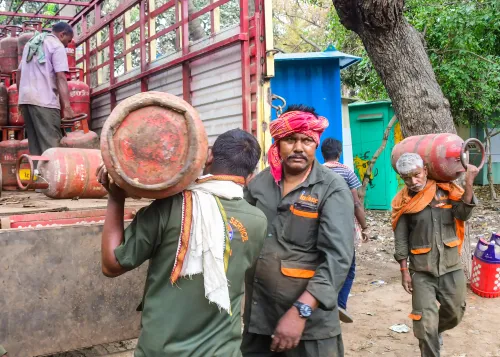
Daily LPG cylinder distribution is being maintained to prevent supply shortages.
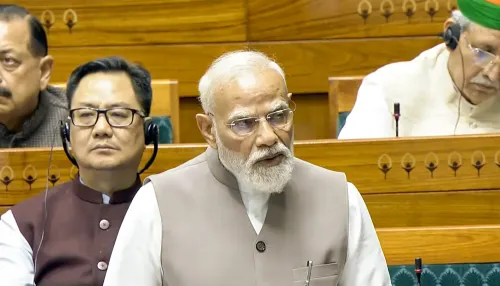
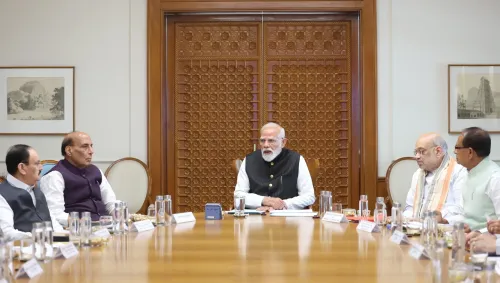
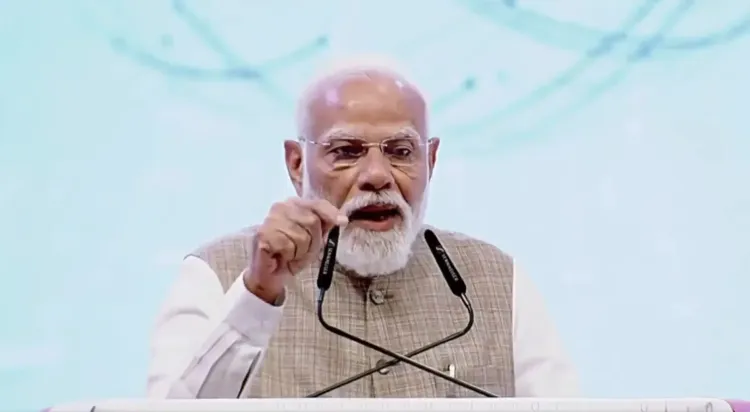
New Delhi, March 12 (NationPress) Prime Minister Narendra Modi emphasized on Thursday that the government is committed to taking all necessary measures to protect India's energy security, particularly in light of the disruptions in oil and gas supplies stemming from the Iran conflict.
While addressing the media, PM Modi highlighted that his administration has adopted a comprehensive approach to achieve self-sufficiency in the energy sector, leading to substantial savings for the nation.
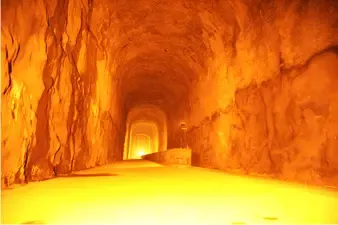
"Prior to 2014, India's strategic petroleum reserve capacity was minimal. Today, we boast considerable reserves," he stated, pointing out the establishment of Strategic Petroleum Reserve facilities that can store a total of 5.33 million metric tonnes (MMT), designed to serve as a buffer during short-term supply disruptions caused by geopolitical tensions, covering approximately 9.5 days of crude oil needs.
Furthermore, the country's Oil Marketing Companies (OMCs) have storage capabilities for crude oil and petroleum products that can last for 64.5 days. Thus, the overall national storage capacity for crude oil and petroleum products stands at 74 days.
PM Modi reassured that the government is resolute in its efforts to prevent any adverse impacts on Indian citizens due to conflicts occurring globally.
In related news, the Ministry of Petroleum and Natural Gas confirmed that the government is actively ensuring a steady supply of energy, with 5 million LPG cylinders being distributed daily, advising consumers against “panic booking” of cooking gas.
As the war enters its 13th day, it marks the first instance in history where the Strait of Hormuz has been effectively shut off to commercial shipping.
However, India continues to import crude from over 40 countries, with 70% of its crude supplies now coming from alternatives to the Strait of Hormuz, according to the ministry's announcement.
India's daily oil consumption is approximately 5.5 million barrels, and the nation ranks as the fourth largest refiner globally, housing 22 refineries. These facilities are operating at high-capacity utilization, often exceeding 100%. This extensive refining capacity is placing India in a more favorable position regarding the availability of petroleum products amidst the ongoing war crisis.
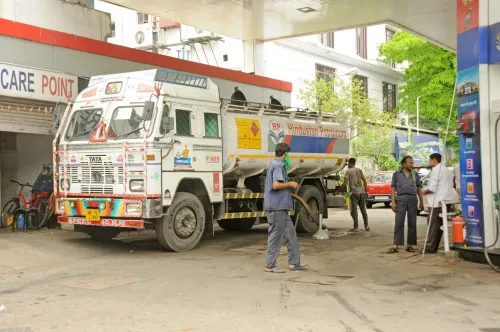
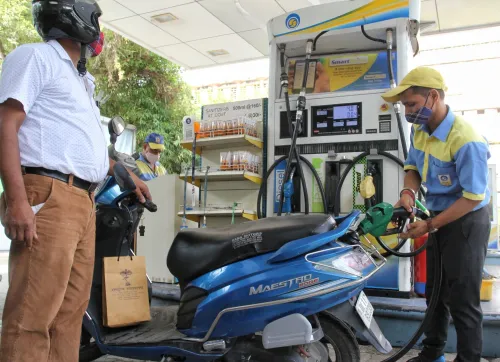
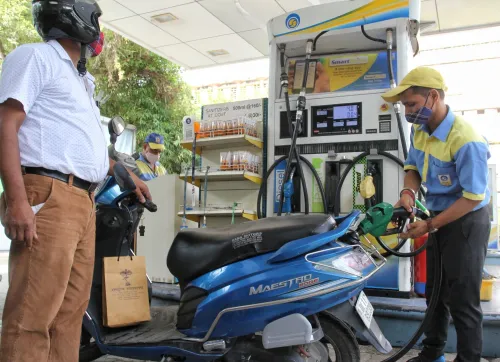
There are more than 100,000 retail outlets offering petroleum products, all reportedly maintaining adequate stocks, as confirmed by the government.
Point of View
PM Modi's emphasis on energy security highlights the government's proactive measures in addressing global supply chain challenges. By focusing on self-reliance and strategic reserves, India aims to mitigate the risks posed by international conflicts, ensuring that citizens' needs are prioritized.
NationPress
29 Sept 2026
Frequently Asked Questions
What measures is the Indian government taking for energy security?
The government is enhancing strategic petroleum reserves, ensuring steady LPG supplies, and diversifying crude oil sources to safeguard energy security.
How much crude oil does India consume daily?
India's daily oil consumption is approximately 5.5 million barrels.
What are the strategic petroleum reserves' capacities?
India has established strategic petroleum reserves with a total capacity of 5.33 million metric tonnes.
How many countries does India source crude oil from?
India sources crude oil from over 40 countries, with a significant portion coming from alternatives to the Strait of Hormuz.
What is the significance of the Strait of Hormuz in oil supply?
The Strait of Hormuz is a critical shipping route for oil, and its closure can significantly impact global oil supply chains.