India's Fiscal Deficit Reaches 63% of FY26 Target by January
Synopsis
India's fiscal deficit for the first ten months of FY 2025-26 stands at Rs 9.8 lakh crore, marking a significant 63% of the annual target. This report highlights key revenue and expenditure trends and the government's commitment to fiscal discipline.
Key Takeaways
Fiscal Deficit: Rs 9.8 lakh crore, 63% of FY26 target.
Net Tax Revenue: Increased to Rs 20.94 lakh crore.
Non-Tax Revenue: Rose to Rs 5.57 lakh crore.
Government Expenditure: Totaled Rs 36.9 lakh crore.
Capital Expenditure: Grew to Rs 8.4 lakh crore.
Fiscal Deficit Target: Set at 4.4% for FY26.
Debt-to-GDP Ratio: Decreased to 56.1%.
New Delhi, Feb 27 (NationPress) During the initial ten months (April to January) of FY 2025-26, India's fiscal deficit reached a staggering Rs 9.8 lakh crore, accounting for 63 percent of the projected total for the fiscal year ending March 31, according to official data released on Friday.
Net tax collections for the April-January period amounted to Rs 20.94 lakh crore, an increase from Rs 19 lakh crore gathered during the same timeframe last year.
Meanwhile, non-tax revenue rose to Rs 5.57 lakh crore, up from Rs 4.7 lakh crore in the previous year.
The overall government expenditure was recorded at Rs 36.9 lakh crore, compared to Rs 35.7 lakh crore in the corresponding period last year.
Significantly, there was a noted enhancement in the quality of government spending, with capital expenditure—which includes investments in critical infrastructure projects such as highways, ports, and railways—soaring to Rs 8.4 lakh crore from Rs 7.6 lakh crore during the same period last year. This increase in capital spending underscores the government’s ongoing commitment to these major projects to stimulate growth and generate more employment opportunities.
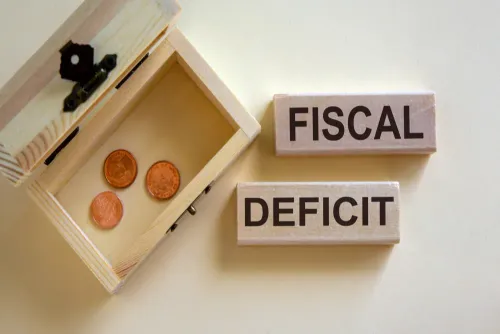
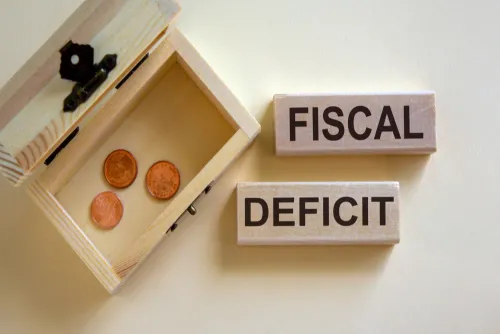
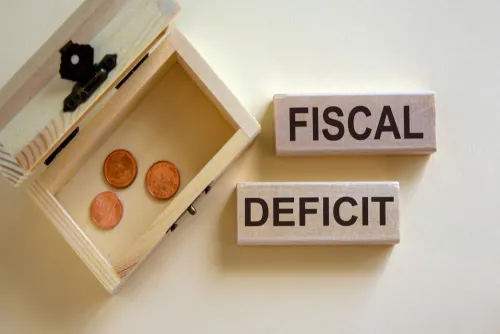
The fiscal deficit reflects the disparity between the government's total spending and its total revenue. This data indicates that India is on track to achieve its fiscal deficit goal of 4.4 percent for 2025-26.
Finance Minister Nirmala Sitharaman has forecasted a further reduction of the fiscal deficit to 4.3 percent of GDP for 2026-27, as the government continues its strategy of fiscal consolidation aimed at fostering economic growth while ensuring stability.
The Finance Minister stated that the government has met its commitment to reduce the fiscal deficit to 4.4 percent in the Budget for 2025-26, with plans to further take it down to 4.3 percent as part of its ongoing fiscal prudence strategy.
She emphasized that this target strikes a balance between enhancing economic momentum and maintaining the stability of public finances.
Additionally, the Finance Minister reported a decrease in India’s debt-to-GDP ratio, which has fallen to 56.1 percent in 2025-26, with expectations of a reduction to 55.6 percent in the Budget for 2026-27.
This decline in the debt-to-GDP ratio is expected to lessen the government's burden of interest payments, thereby contributing to a lower fiscal deficit and freeing up resources for development initiatives.
Point of View
I see this fiscal report as a reflection of India's evolving economic landscape. The Government's strategic focus on infrastructure and job creation through increased capital spending is commendable. While the fiscal deficit remains a concern, the trajectory appears promising with ongoing efforts towards fiscal discipline.
NationPress
26 Sept 2026
Frequently Asked Questions
What is India's fiscal deficit for FY 2025-26?
India's fiscal deficit for the first ten months of FY 2025-26 is Rs 9.8 lakh crore, which is 63% of the full year's target.
How has net tax revenue changed?
Net tax revenue for April to January increased to Rs 20.94 lakh crore from Rs 19 lakh crore the previous year.
What is the government's plan for the fiscal deficit in 2026-27?
The government aims to reduce the fiscal deficit to 4.3% of GDP for the fiscal year 2026-27.
What does a fiscal deficit signify?
A fiscal deficit indicates the gap between the government's total expenditure and its total revenue.
How is capital expenditure relevant to fiscal policy?
Capital expenditure is crucial as it funds infrastructure projects that stimulate economic growth and job creation.