Jal Shakti Minister Paatil hails PM Modi's water call at Varanasi school
Synopsis
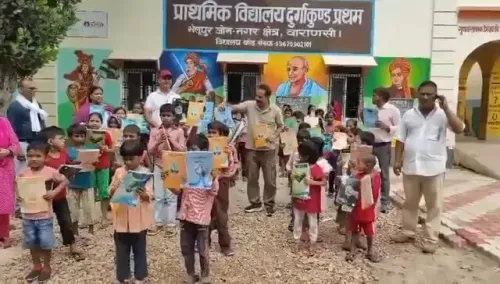
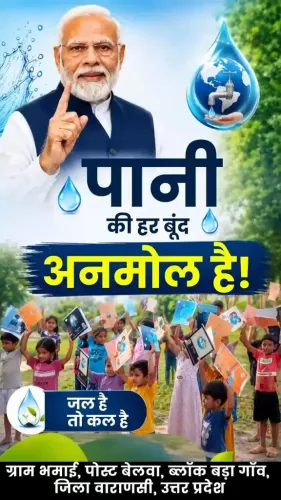
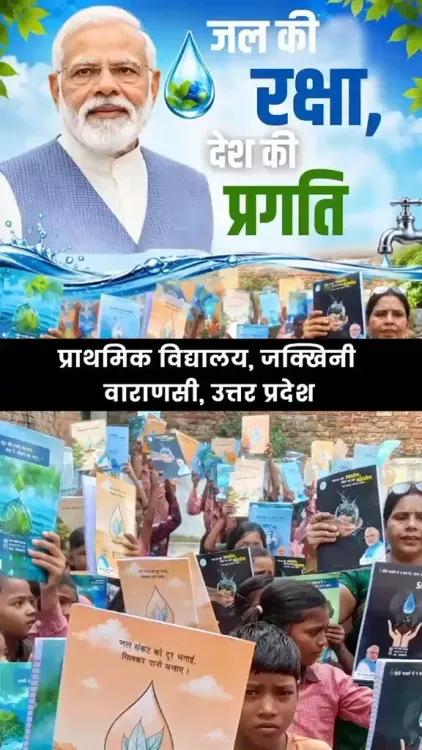
Union Jal Shakti Minister C. R. Paatil shared footage of schoolchildren in Varanasi's Jakkini locality pledging water conservation during a notebook distribution event, framing the moment as evidence that PM Modi's water-awareness call is taking root among India's youth.
Key Takeaways
Union Jal Shakti Minister C.
Paatil posted about a school event in Jakkini, Varanasi on 12 August 2026 .
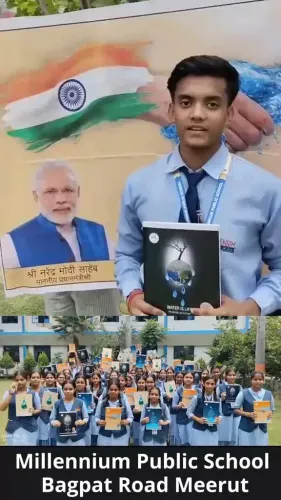
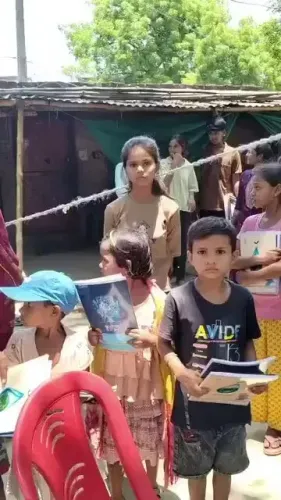
Children at the primary school received notebooks and took a pledge to conserve water, chanting Vande Mataram .
The event is linked to the Jal Shakti Abhiyan , the central government's water conservation campaign launched in 2019 .
Varanasi is PM Narendra Modi 's parliamentary constituency, adding symbolic weight to the event.
The Abhiyan's strategy centres on Jan Bhagidari — embedding conservation messages in community and school activities nationwide.
In a primary school tucked inside Jakkini, Varanasi, children broke into a chorus of Vande Mataram — and then pledged to save water. Union Jal Shakti Minister C. R. Paatil shared the moment on Wednesday, 12 August 2026, calling it living proof that Prime Minister Narendra Modi's call for water conservation is now reaching India's youngest citizens.
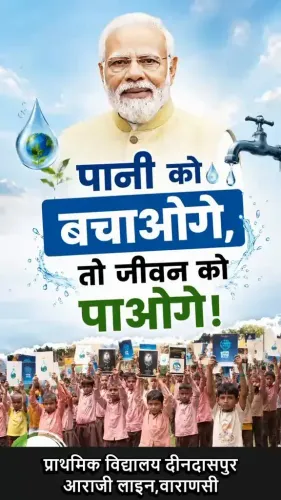
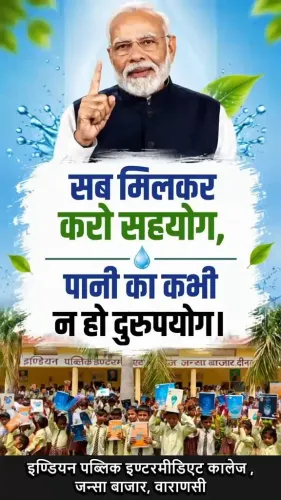
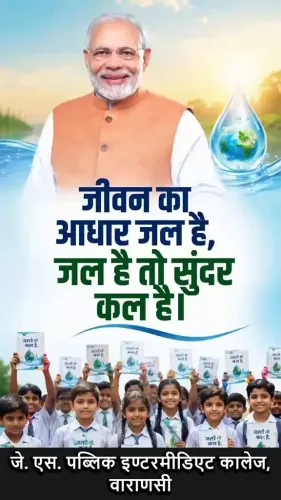
The occasion was a notebook distribution drive at the primary school in Jakkini, Varanasi — a constituency PM Modi has represented in Parliament. Paatil wrote that the children expressed gratitude to the Prime Minister, declared their understanding of water's importance, and took a collective pledge for its conservation, all set to the national cry of 'Vande Mataram.'
Jal Shakti Abhiyan's school-level push
The scene in Varanasi is not incidental. Since its launch in 2019, the Jal Shakti Abhiyan has deliberately embedded water-awareness messaging inside community and educational spaces, banking on Jan Bhagidari — people's participation — as its core engine. The idea: conservation habits formed in childhood outlast any government campaign.
Paatil, who oversees the ministry driving this agenda, has consistently framed the Abhiyan as a mass-movement rather than a top-down directive. Linking a routine school event — notebook distribution — to a conservation pledge is exactly the kind of low-cost, high-reach activation the scheme is designed around.
Why Varanasi, why now
Varanasi carries symbolic weight that goes beyond geography. As PM Modi's own parliamentary seat and a city defined by its relationship with the Ganga, it is a natural stage for messaging on water. Events here ripple outward — politically and culturally — in ways that a similar event in an anonymous district might not.
The children's spontaneous Vande Mataram and their water pledge, as Paatil described it, frames conservation not as a bureaucratic duty but as an act of patriotism. That framing is deliberate, and it mirrors the government's broader communication strategy: make national campaigns feel personal and local at once.
The next test is whether school-level activations like this translate into measurable behavioural change — and whether the Jal Shakti Ministry can demonstrate that through data as the Abhiyan enters its seventh year.
Point of View
Ground-level activations to keep the Jal Shakti Abhiyan visible between policy announcements — tying conservation to patriotism and youth is a deliberate communications choice, not a spontaneous one. For Paatil, amplifying such moments on social media serves a dual purpose: it reinforces the ministry's Jan Bhagidari credentials and keeps PM Modi's personal brand associated with a popular, non-partisan cause. As the Abhiyan enters its seventh year, the ministry faces growing pressure to move beyond optics and publish verifiable outcome data on water table improvements and rainwater harvesting uptake.
NationPress
26 Sept 2026
Frequently Asked Questions
What is the Jal Shakti Abhiyan?
The Jal Shakti Abhiyan is a central government campaign launched in 2019 to promote water conservation, rainwater harvesting, and community participation in addressing water scarcity across India.
Who is C. R. Paatil?
C. R. Paatil is India's Union Minister of Jal Shakti, a senior BJP leader and former president of the BJP's Gujarat state unit.
What happened at the Varanasi school event?
At a primary school in Jakkini, Varanasi , children received notebooks and pledged to conserve water, expressing gratitude to PM Modi and chanting Vande Mataram , as shared by Minister Paatil on 12 August 2026 .
Why is Varanasi significant for water conservation events?
Varanasi is PM Narendra Modi 's parliamentary constituency and a city historically tied to the Ganga river, making it a symbolically resonant location for water-related government messaging.
What is Jan Bhagidari in the context of Jal Shakti?
Jan Bhagidari means 'people's participation' and is the core philosophy of the Jal Shakti Abhiyan — embedding conservation awareness in schools, communities, and local events rather than relying solely on top-down government directives.