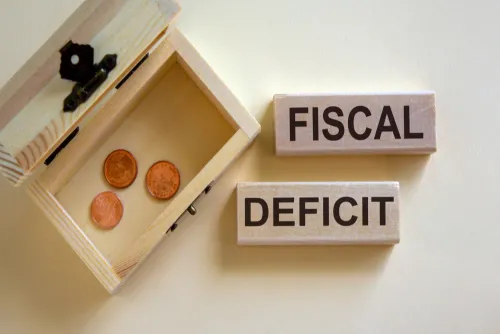
India meets FY26 fiscal deficit target at 4.4% of GDP
Synopsis
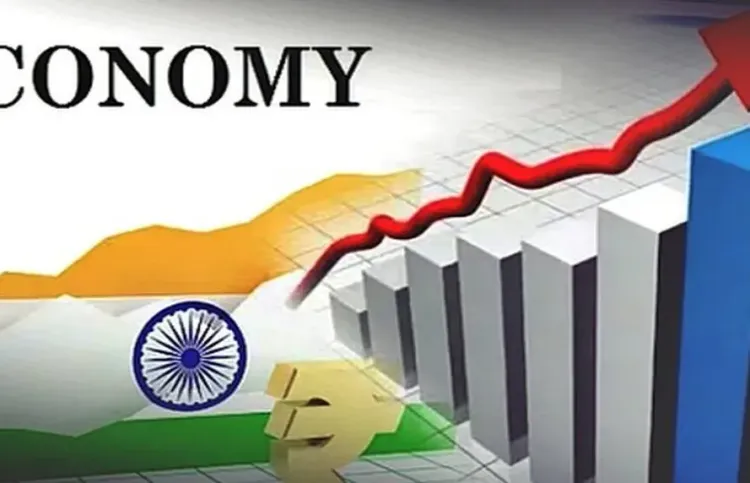
India closed FY26 with its fiscal deficit at exactly 4.4% of GDP — meeting the target and marking a clear step down from 4.8% in FY25. Strong tax and non-tax revenues did the heavy lifting, even as capex held firm. The harder question is FY27: April data already shows the deficit at 21.4% of the annual target, and rising subsidy bills from Middle East-driven commodity costs could test the glide path early.
Key Takeaways
India's fiscal deficit for FY26 stood at ₹15.19 lakh crore , or 4.4% of GDP — matching the budgeted target of ₹15.7 lakh crore .
Net tax receipts rose to ₹33 lakh crore in FY26 from ₹30.87 lakh crore in FY25.
Non-tax revenues jumped to ₹6.8 lakh crore from ₹5.31 lakh crore a year earlier.
Capital expenditure increased to approximately ₹10.7 lakh crore , sustaining infrastructure investment in highways, railways, and ports.
The deficit fell from 4.8% of GDP in FY25, continuing the government's fiscal consolidation glide path.
April FY27 data shows the deficit already at 21.4% of the full-year target, with subsidy pressures from rising global commodity costs flagged as a risk.
India has successfully contained its fiscal deficit at 4.4 per cent of GDP for financial year 2025-26, matching the target set by Finance Minister Nirmala Sitharaman, according to official data released on Monday, 1 June 2025 by the Controller General of Accounts (CGA). The absolute deficit stood at ₹15.19 lakh crore against a budgeted ceiling of ₹15.7 lakh crore, signalling a tighter-than-expected fiscal outturn.
Revenue Collections Drive the Improvement
Net tax receipts climbed to ₹33 lakh crore in FY26, up from ₹30.87 lakh crore in FY25 — a rise of roughly ₹2.13 lakh crore. Non-tax revenues recorded an even sharper jump, reaching ₹6.8 lakh crore compared with ₹5.31 lakh crore a year earlier. Together, the buoyancy on both fronts gave the government the headroom to stay within its deficit ceiling despite elevated spending.
Spending: Capex Holds Up, Revenue Outgo Contained
Total expenditure for FY26 came in at ₹49 lakh crore, with revenue expenditure at ₹38.36 lakh crore. Capital expenditure rose to approximately ₹10.7 lakh crore from ₹10.18 lakh crore in the previous year, as the government pressed ahead with large-scale infrastructure investment in highways, railways, and ports. Sustaining capex momentum while narrowing the deficit is widely seen as a positive signal for medium-term growth.
The Glide Path and What It Means
The 4.4 per cent outturn marks a meaningful step down from 4.8 per cent of GDP recorded in FY25. The government has publicly committed to a descending glide path on the deficit, aimed at strengthening fiscal fundamentals and reducing sovereign borrowing. A lower deficit frees up banking-sector liquidity for corporate and consumer lending, which economists argue supports both growth and price stability. Notably, this is the second consecutive year the Centre has met or bettered its fiscal deficit target.
Early FY27 Signal Raises Caution
Despite the FY26 achievement, early data for April 2025 — the first month of FY27 — showed the fiscal deficit already at 21.4 per cent of the full-year budgeted target, according to official accounts. Analysts note that subsidy pressures are building: the ongoing Middle East conflict has pushed up global petroleum costs, raising the expected outgo on LPG subsidies for lower-income households and fertiliser subsidies meant to shield farmers from higher input costs. Whether the government can maintain its glide path into FY27 will depend significantly on how long elevated commodity prices persist.
Point of View
But the headline masks a tighter margin than it appears — the actual deficit of ₹15.19 lakh crore came in below the ₹15.7 lakh crore ceiling largely on the back of a non-tax revenue surge that may not repeat. The capex number, while higher year-on-year, still trails what independent economists argue is needed for India's infrastructure gap. More immediately, the April FY27 deficit print at 21.4% of the annual target — combined with building LPG and fertiliser subsidy obligations — suggests the glide path into FY27 will be harder to hold than FY26 was. The government's credibility on fiscal consolidation now depends on whether it can absorb the commodity shock without slipping on the deficit.
NationPress
25 Sept 2026
Frequently Asked Questions
What is India's fiscal deficit for FY26?
India's fiscal deficit for FY2025-26 stood at ₹15.19 lakh crore, equivalent to 4.4% of GDP, matching the target set by Finance Minister Nirmala Sitharaman. The data was released by the Controller General of Accounts on 1 June 2025.
How does FY26 compare to the previous year's fiscal deficit?
India's fiscal deficit in FY25 was 4.8% of GDP under the revised estimate. The FY26 outturn of 4.4% represents a meaningful reduction, continuing the government's stated glide path of fiscal consolidation.
What drove the improvement in India's fiscal position in FY26?
Strong revenue performance was the primary driver. Net tax receipts rose to ₹33 lakh crore from ₹30.87 lakh crore, while non-tax revenues jumped to ₹6.8 lakh crore from ₹5.31 lakh crore. This buoyancy allowed the government to maintain capital expenditure while staying within the deficit ceiling.
What is the fiscal deficit target for FY27 and what are the early signs?
The government has not yet revised its FY27 target publicly, but April 2025 data shows the deficit already at 21.4% of the full-year budgeted figure. Rising subsidy costs linked to global petroleum prices — particularly for LPG and fertilisers — are flagged as key risks to the FY27 glide path.
Why does a lower fiscal deficit matter for the economy?
A lower fiscal deficit reduces government borrowing from the banking system, freeing up more funds for corporate and consumer lending. Economists argue this supports private investment, economic growth, and price stability over the medium term.