India's Foodgrain Production Soars to Record Levels, Boosts Exports
Synopsis
India has made significant strides in foodgrain production, achieving a record 357.73 MMT in 2024-25. This growth is fueled by increased yields and robust agricultural exports, reflecting a strong commitment to food security and economic development.
Key Takeaways
Record foodgrain output: 357.73 million metric tonnes in 2024-25.
Export growth: Agricultural exports increased to $51.1 billion.
High-value crops: Shift towards processed food and horticulture.
Leading production: India ranks second in rice and wheat, first in millets.
Global impact: Reinforces India's role in global food security.
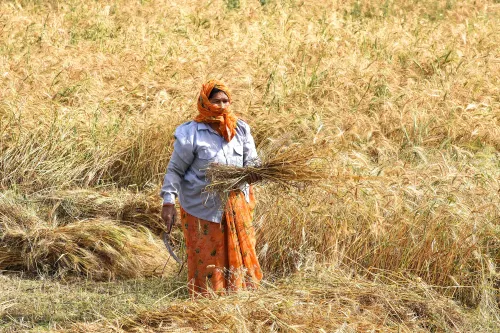
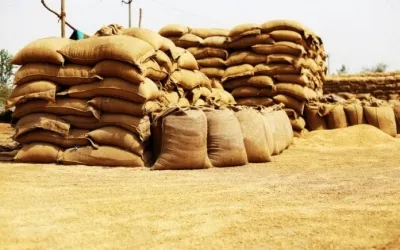
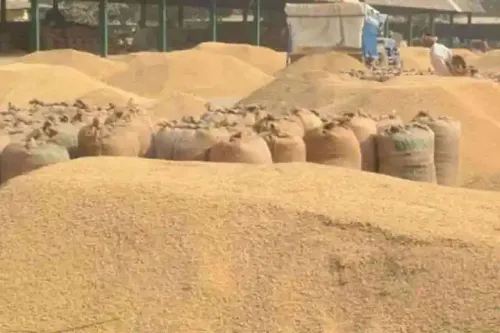
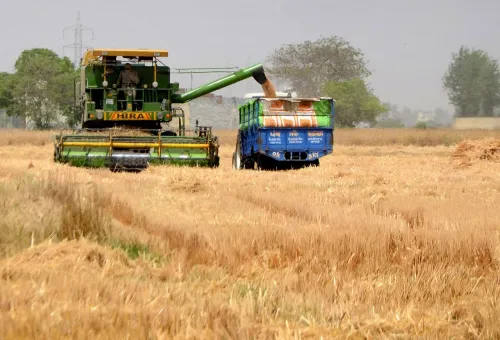
New Delhi, March 26 (NationPress) India has achieved a remarkable foodgrain production of 357.73 million metric tonnes (MMT) for the agricultural year 2024-25, which is an increase of 25.43 MMT compared to the previous year. This growth is attributed to enhanced productivity, better input management, and more robust institutional support for farmers, as highlighted in an official fact sheet released on Thursday.
The surge in production is largely due to increased yields of rice, wheat, maize, and coarse cereals, including the millets referred to as Shree Anna.
Additionally, India's agricultural exports have been on a steady rise in recent years.
Export earnings from agriculture grew from $34.5 billion in FY20 to $51.1 billion in FY25, reflecting a compound annual growth rate (CAGR) of 8.2 percent.
In FY25, total agri-food exports, which include processed food items, reached $49.43 billion, making up approximately 11.2 percent of all exports.
Significantly, the proportion of processed food exports has also shown consistent growth, rising from 14.9 percent in FY18 to 20.4 percent in FY25. This trend indicates a strategic shift towards more value-added products in the agricultural export portfolio, according to the official statement.
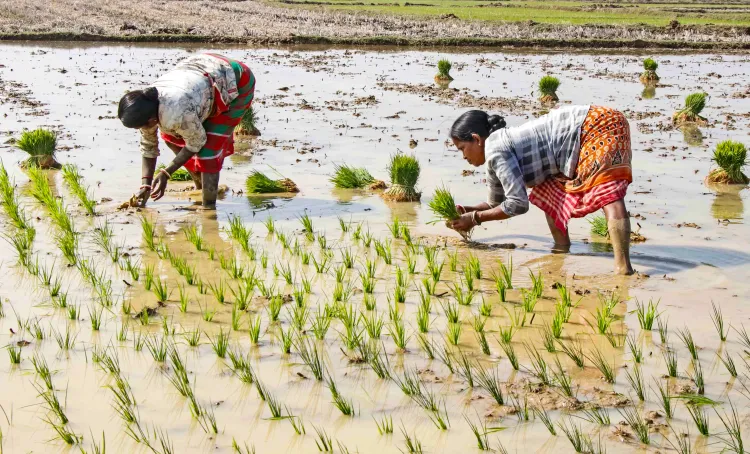
India stands as the world's second-largest producer of both rice and wheat, with production figures of 150.18 million tonnes of rice and 117.94 million tonnes of wheat in the agricultural year 2024-25.
Furthermore, the nation leads in pulse production globally, with an output of 25.68 million tonnes in 2024-25. The key producing states for pulses include Madhya Pradesh, Maharashtra, and Rajasthan.
India also ranks first in millet production, achieving around 18.59 million tonnes in the same year, primarily driven by contributions from Rajasthan, Maharashtra, and Karnataka.
Rice exports alone amounted to $12.95 billion in 2024-2025, while exports of pulses and millets were recorded at $855 million and $59.20 million, respectively.
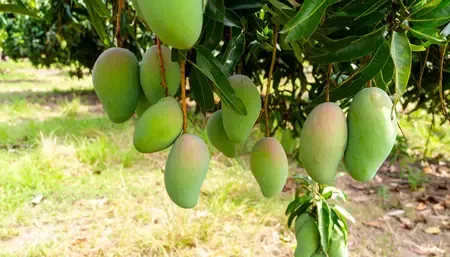
In addition, horticulture has emerged as a significant catalyst for agricultural transformation and value addition, with total horticulture production reaching 362.08 million tonnes in 2024-25, suggesting a shift towards high-value crops.
According to the second advance estimates, horticulture production has increased from 280.70 million tonnes in 2013-14 to 367.72 million tonnes in 2024-25. This includes approximately 114.51 million tonnes of fruits, 219.67 million tonnes of vegetables, and 33.54 million tonnes from other horticultural crops.
These statistics underline the increasing global demand for diversified and climate-resilient cereal crops, reaffirming India’s pivotal role in ensuring food and nutritional security worldwide.
Point of View
The increase in foodgrain production and agricultural exports signifies India's commitment to enhancing food security and bolstering its economy. This progress reflects the effectiveness of government policies and support systems for farmers, contributing to a robust agricultural sector.
NationPress
22 Sept 2026
Frequently Asked Questions
What is the total foodgrain production of India in 2024-25?
India achieved a total foodgrain production of 357.73 million metric tonnes in the agricultural year 2024-25.
Which crops saw increased production in India?
The increase in production was primarily driven by higher yields of rice, wheat, maize, and coarse cereals.
How much have agricultural exports grown?
Agricultural export earnings rose from $34.5 billion in FY20 to $51.1 billion in FY25.
What is the significance of processed food exports?
Processed food exports have increased from 14.9 percent in FY18 to 20.4 percent in FY25, indicating a shift towards higher value-added products.
Which states are leading in pulse production?
Madhya Pradesh, Maharashtra, and Rajasthan are the principal states for pulse production in India.