India IIP grows 6.7% in July 2025, manufacturing leads at 7.3%
Synopsis
India's factory output expanded 6.7% in July, with manufacturing — the IIP's largest component — clocking 7.3% growth. Capital goods surged 16.1%, a strong signal of real investment activity. But a simultaneous methodology overhaul — switching from WPI to Output PPI — means all historical IIP comparisons now need recalibration.
Key Takeaways
India's IIP grew 6.7 per cent year-on-year in July 2025 , according to the Ministry of Statistics and Programme Implementation .
The manufacturing sector expanded 7.3 per cent , with 19 of 23 industry groups recording positive growth.
Motor vehicles (+22.2%), electrical equipment (+28.3%), and machinery and equipment (+12.1%) were the top manufacturing contributors.
Capital goods production surged 16.1 per cent ; consumer durables rose 10.5 per cent .
The mining sector contracted by 0.9 per cent — the only major segment in negative territory.
The ministry replaced WPI with Output PPI as deflator for 234 item groups (36.02% of index weight), revising the entire IIP 2022-23 series.
India's Index of Industrial Production (IIP) expanded by 6.7 per cent in July 2025 compared to the same month a year earlier, according to data released by the Ministry of Statistics and Programme Implementation on 28 August 2025. The headline growth was powered by a strong showing from the manufacturing sector, which dominates the IIP basket.
Manufacturing Leads the Charge
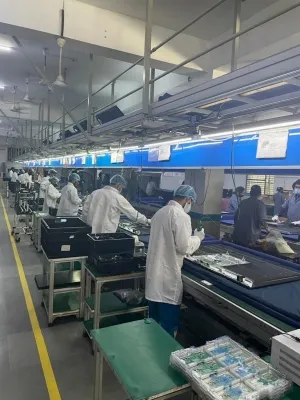
The manufacturing sector, which accounts for more than three-fourths of the IIP, posted a 7.3 per cent year-on-year growth in July. Of the 23 industry groups within manufacturing, 19 recorded positive growth during the month.
The top three contributors were the manufacture of motor vehicles (22.2 per cent growth), manufacture of electrical equipment (28.3 per cent), and manufacture of machinery and equipment (12.1 per cent). The breadth of positive contributors signals broad-based momentum rather than a single-sector surge.
Capital Goods and Consumer Durables Signal Investment Strength
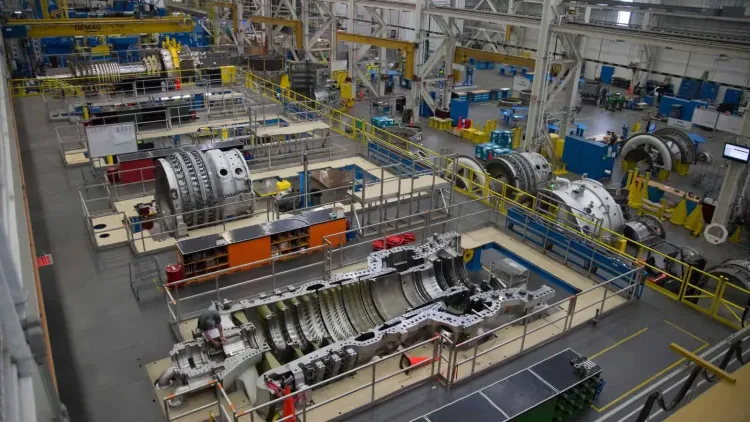
On a use-based classification, capital goods production — machines used in factories — jumped by 16.1 per cent in July, reflecting real investment activity in the economy. Economists typically treat capital goods output as a leading indicator of future capacity expansion and job creation.
Consumer durables such as electronic goods, refrigerators, and televisions posted a 10.5 per cent rise, pointing to sustained household demand amid rising incomes. In contrast, consumer non-durables — including soaps and cosmetics — contracted by 1.0 per cent during the month.
Electricity Up, Mining Drags
The electricity and gas supply sector recorded an 8.7 per cent increase in July, while water supply, sewerage and waste management grew by 7.4 per cent. The mining sector, however, remained a laggard, posting a negative growth of (-) 0.9 per cent — the only major segment to contract during the month.
The infrastructure and construction goods segment grew 6.9 per cent, underpinned by the government's ongoing investments in highways, ports, and railway projects.
Revised Methodology: Output PPI Replaces WPI
Alongside the July data, the Ministry announced a significant methodological revision. It has adopted the Output Producer Price Index (PPI) as the deflator in place of the Wholesale Price Index (WPI) for item groups where output is collected in value terms. This change affects 234 out of 463 item groups in the IIP basket, representing 36.02 per cent of the total index weight.
The ministry has revised and released the entire IIP 2022-23 series with Output PPI, superseding the earlier WPI-based series released on 1 June 2026. The new base-year series was originally launched on 1 June 2026. Analysts will need to account for this revision when comparing current data with historical trends.
What the Numbers Mean for India's Economy
The July IIP print reinforces a pattern of resilient industrial activity even as global demand conditions remain uneven. Capital goods growth above 16 per cent, if sustained, could translate into a broader investment cycle in the quarters ahead. The mining contraction, however, warrants monitoring — persistent weakness in that segment could weigh on raw material availability for downstream industries.
Point of View
But the simultaneous methodology change — switching from WPI to Output PPI across 36 per cent of the index weight — makes clean year-on-year comparisons treacherous. Markets and analysts should treat this month's number as a partial reset, not a clean continuation. The capital goods surge of 16.1 per cent is the genuinely encouraging signal here: if it holds across two or three quarters, it would mark the beginning of a private investment cycle that India has been waiting for since 2016. Mining's contraction, though small in magnitude, is worth watching — raw material bottlenecks have historically capped industrial upswings before they could broaden.
NationPress
28 Aug 2026
Frequently Asked Questions
What is India's IIP growth for July 2025?
India's Index of Industrial Production grew by 6.7 per cent in July 2025 compared to the same month a year earlier, according to data released by the Ministry of Statistics and Programme Implementation on 28 August 2025. Manufacturing, which makes up more than three-fourths of the index, led the expansion with 7.3 per cent growth.
Which sectors drove IIP growth in July 2025?
Manufacturing was the primary driver at 7.3 per cent growth, with motor vehicles (22.2%), electrical equipment (28.3%), and machinery and equipment (12.1%) as the top contributors. Electricity and gas supply grew 8.7 per cent, and infrastructure and construction goods rose 6.9 per cent.
Why did capital goods growth matter in the July IIP data?
Capital goods — machines used in factories — surged 16.1 per cent in July, signalling that businesses are investing in new productive capacity. Economists treat capital goods output as a forward-looking indicator, as higher investment today typically drives job creation and income growth in subsequent quarters.
What is the new IIP methodology change announced in August 2025?
The Ministry of Statistics and Programme Implementation has replaced the Wholesale Price Index (WPI) with the Output Producer Price Index (PPI) as the deflator for 234 of the 463 item groups in the IIP basket, covering 36.02 per cent of the total index weight. The entire IIP 2022-23 series has been revised accordingly, superseding the earlier WPI-based series released on 1 June 2026.
Which sector posted negative growth in July 2025 IIP?
The mining sector was the only major segment to contract, posting a negative growth of 0.9 per cent in July 2025 compared to the same month a year earlier. Consumer non-durables also declined by 1.0 per cent during the month.