India's Cabinet Endorses NDC for 2031-2035: Aiming for Net Zero by 2070

Synopsis
In a pivotal move, India’s government has approved the Nationally Determined Contribution (NDC) for 2031-2035, targeting a 47% reduction in GDP emissions intensity by 2035. This aligns with the nation’s commitment to achieving net-zero emissions by 2070, showcasing its leadership in global climate action.
Key Takeaways
India's NDC aims for a 47% reduction in GDP emissions intensity by 2035.
Commitment to achieve net-zero emissions by 2070.
Over 52.57% non-fossil capacity achieved ahead of target.
Plans to enhance carbon sinks to 3.5-4.0 billion tonnes of CO2 equivalent by 2035.
Climate action is supported by various local initiatives.
New Delhi, March 25 (NationPress) In a significant advancement towards fulfilling its climate aspirations, the government has sanctioned the Nationally Determined Contribution (NDC) for the timeframe of 2031 to 2035. This commitment outlines a 47 percent reduction in emissions intensity of GDP by 2035 compared to 2005 levels.
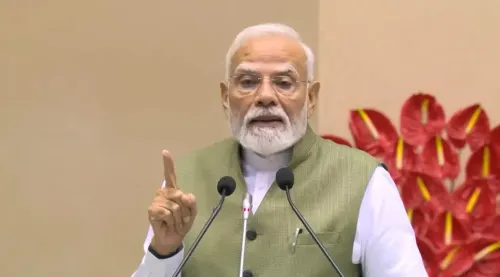
This decision, endorsed by the Union Cabinet under the leadership of Prime Minister Narendra Modi, elevates India's ambitions within the framework of the United Nations Framework Convention on Climate Change (UNFCCC) and its Paris Agreement, while reinforcing the nation's dedication to sustainable development and climate equity.
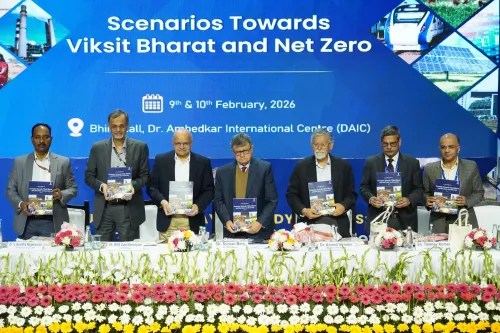
The Cabinet articulated that “India’s NDC for 2031-35 is driven by the vision of Viksit Bharat, which is not merely an objective for 2047, but a pledge to take action today to cultivate a thriving and climate-resilient Bharat for future generations.”
The approval of the NDC for 2031-2035 signifies a pivotal moment in India’s path towards a low-carbon and climate-resilient future, further solidifying its position as a global leader in climate initiatives.
These targets for 2031-35 represent a crucial milestone on the road to achieving net-zero emissions by 2070.
India's initial climate commitments included a target of 33-35 percent reduction in GDP emissions intensity and a 40 percent share of non-fossil resources in electric power capacity, which were successfully met well ahead of schedule.
From 2005 to 2020, emissions intensity decreased by 36 percent, with the new target set at 47 percent to be reached by 2035.
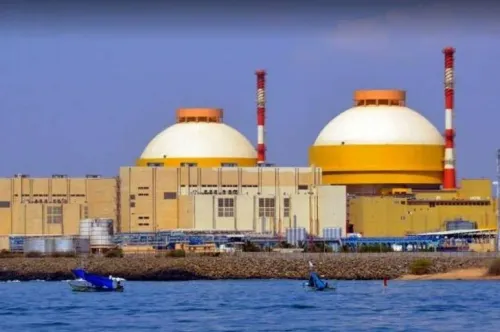
In terms of expanding the share of non-fossil fuel energy in installed electric power capacity, India has achieved a remarkable 52.57 percent non-fossil capacity (as of February 2026), surpassing its target five years ahead. The ambition has now been elevated to achieve a 60 percent share by 2035.
As of 2021, India has already established 2.29 billion tonnes of CO2 equivalent through afforestation and ecosystem restoration, which contribute significantly to its carbon sink objectives while aiding rural economies.
The Cabinet also mentioned plans to boost the carbon sink created by forest and tree cover to between 3.5-4.0 billion tonnes of CO2 equivalent by 2035 from the 2005 baseline.
Climate action is being executed at the grassroots level through various initiatives, including the Jal Jeevan Mission, National Mission on Sustainable Agriculture, and Pradhan Mantri Krishi Sinchayee Yojana (PMKSY), among others.
Point of View
This approval by the Indian Cabinet represents a significant commitment to climate action. The enhanced targets reflect a proactive stance towards sustainability, showcasing India's intention to not just participate but lead in global climate governance. It emphasizes a future-oriented approach that balances economic growth with environmental responsibility.
NationPress
24 Sept 2026
Frequently Asked Questions
What is the NDC approved by the Indian government?
The Nationally Determined Contribution (NDC) approved for 2031-2035 aims for a 47% reduction in emissions intensity of GDP compared to 2005 levels.
What are India's climate goals for 2070?
India aims to achieve net-zero emissions by the year 2070, as part of its long-term climate strategy.
How has India performed on its previous climate commitments?
India successfully met its original climate commitments for 2030 regarding GDP emissions intensity and non-fossil energy capacity ahead of schedule.
What is Viksit Bharat?
Viksit Bharat is a vision for a developed and climate-resilient India, not only aimed for 2047 but embodied in immediate actions for sustainability.
What initiatives support India's climate action?
Initiatives such as the Jal Jeevan Mission and Pradhan Mantri Krishi Sinchayee Yojana are among various programs driving local-level climate action in India.