India's Ambition to Emerge as a Pharmaceutical Powerhouse: Insights from Jitendra Singh
Synopsis
India is on a transformative journey to become a global leader in pharmaceuticals and medtech, significantly impacting its GDP. Union Minister Dr. Jitendra Singh highlights the nation's commitment to quality and innovation at a recent healthcare summit.
Key Takeaways
India is evolving into a significant global pharma economy.
Focus on 'Made in India' and high-quality healthcare solutions.
Strong shift toward self-reliance in medical technology.
Government initiatives support innovation in the sector.
India's share of the global medical devices market is currently 1.5%.
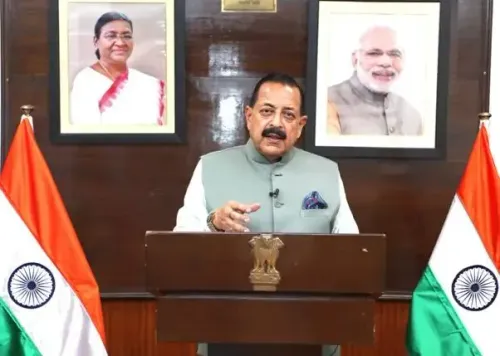
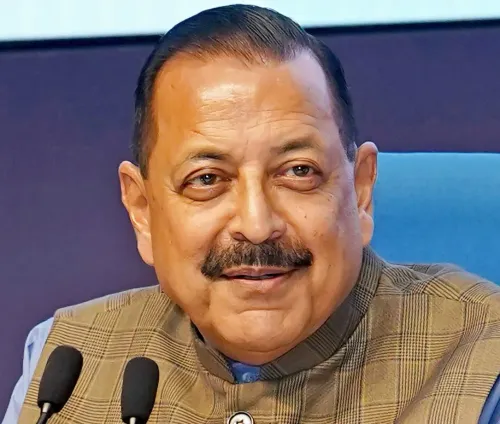
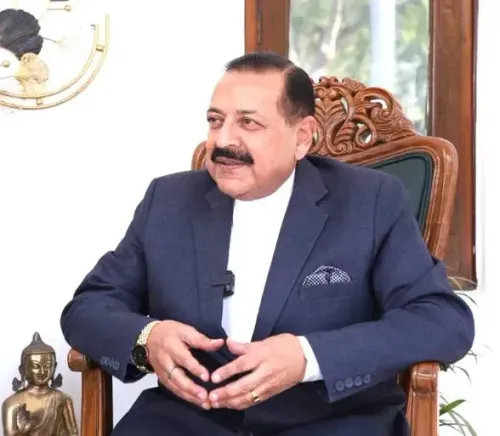
New Delhi, March 21 (NationPress) Union Minister Dr. Jitendra Singh stated on Saturday that India is on a path to becoming a formidable global player in the pharmaceutical sector, significantly contributing to the nation's GDP.
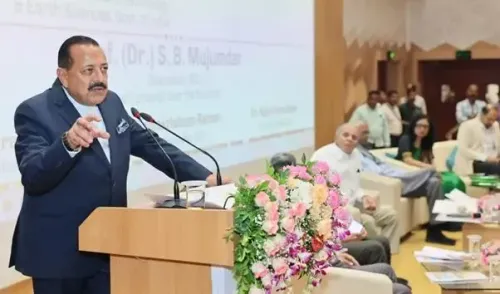
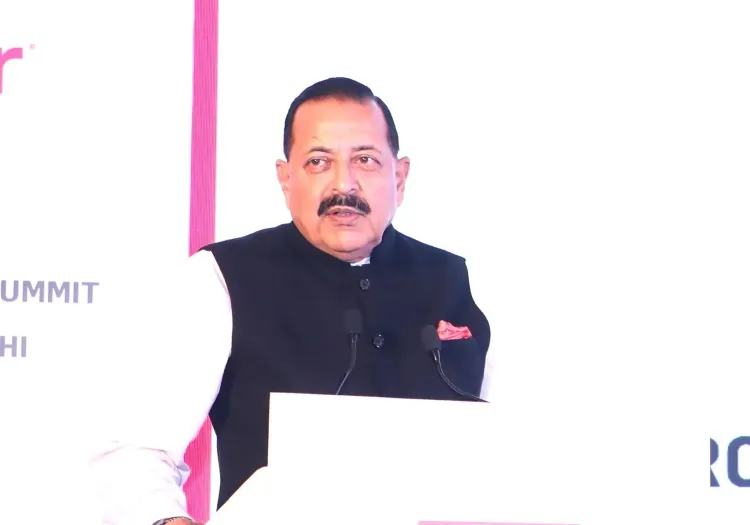
While addressing the attendees at a 'Healthcare Summit', he emphasized that the country's pharmaceutical, medtech, and manufacturing sectors are setting the stage for India to emerge as a leading global manufacturing hub, particularly in delivering high-quality and affordable healthcare solutions.
The discussions at the summit underscored two pivotal themes: 'Made in India' and 'Quality'.
The sector is experiencing a transformative phase, emphasizing global quality standards, local innovation, and the fusion of research with industry.
In the past decade, India has transitioned from being heavily reliant on imports to building an indigenous healthcare framework, the minister noted.
He recalled that previously, critical medical devices, implants, and advanced medications were predominantly imported, which made healthcare costly and less accessible.
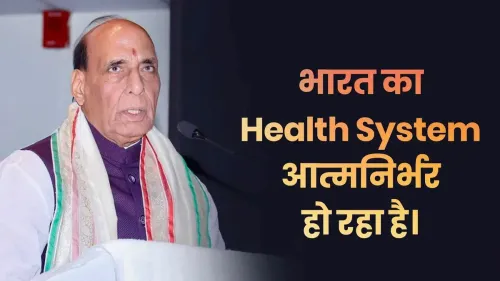
Dr. Singh stated, 'Today, India is producing its own antibiotics, vaccines, and advanced therapies, marking a crucial move toward self-sufficiency.'
He reiterated that critical medical devices and advanced medications were once sourced abroad, contributing to high treatment costs. Now, India is crafting its own antibiotics, vaccines, and cutting-edge therapies.
During the COVID-19 pandemic, he pointed out that India not only developed its own vaccines but also played a crucial role in supplying them internationally, solidifying its status as a dependable healthcare ally.
Regarding quality benchmarks, Singh remarked that 'domestically produced' products now meet international standards. 'Homegrown medical devices such as stents, ventilators, and diagnostic tools are increasingly ensuring safety, efficacy, and affordability.'
The minister highlighted initiatives like the Promotion of Research and Innovation in Pharma-MedTech (PRIP) scheme, which has an allocation of Rs 5,000 crore, aimed at transitioning India from low-cost manufacturing to high-value innovation.
As per Dr. Singh, India currently holds approximately 1.5% of the global medical device market.
He mentioned that the government is actively working to expand this share significantly under the National Medical Device Policy 2023.
Point of View
India's commitment to enhancing its pharmaceutical and medtech sectors underlines a strategic approach to self-reliance and economic growth. The government's focus on quality and innovation aims to elevate India's status on the global stage, making healthcare more accessible and affordable for its citizens.
NationPress
1 Oct 2026
Frequently Asked Questions
What is India's current position in the global medical devices market?
India currently holds about 1.5% of the global medical devices market and aims to expand this share significantly.
What initiatives are in place to promote innovation in India's pharma sector?
The Promotion of Research and Innovation in Pharma-MedTech (PRIP) scheme, with an allocation of Rs 5,000 crore, is one such initiative aimed at fostering innovation.
How has India's healthcare landscape changed in the past decade?
India has transitioned from a largely import-dependent healthcare system to one driven by indigenous capabilities and innovation.
What role did India play during the COVID-19 pandemic in terms of vaccine production?
India developed its own vaccines and supplied them globally, reinforcing its position as a reliable healthcare partner.
What are the key themes discussed at the recent Healthcare Summit?
The central themes discussed were 'Made in India' and 'Quality,' emphasizing the focus on local production and meeting global standards.