India GDP growth Q1 FY27 hits 7.8%, Modi calls it a 'herculean feat'
Synopsis
India posted 7.8 per cent real GDP growth in Q1 FY 2026-27 — a figure that defied oil price shocks and global supply chain stress. With nominal GDP at ₹88.27 lakh crore and GVA expanding 8.2 per cent, the data makes a strong case for India's macro resilience, even as questions about the quality of growth and its reach to ordinary citizens remain unanswered.
Key Takeaways
India's real GDP grew 7.8 per cent in Q1 FY 2026-27 , reaching ₹81.36 lakh crore .
Nominal GDP for the quarter is estimated at ₹88.27 lakh crore , up 10.3 per cent year-on-year.
Real GVA expanded 8.2 per cent to ₹73.82 lakh crore ; nominal GVA rose 11.5 per cent .
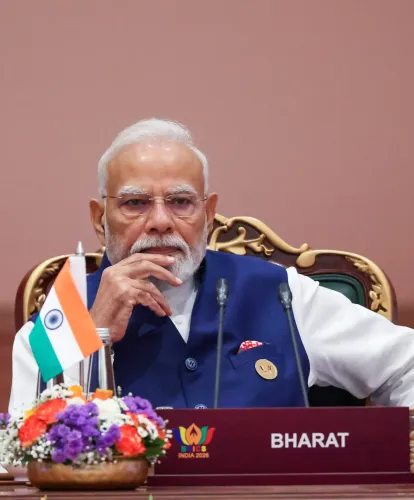
PM Modi called the growth a 'herculean feat', citing resilience despite oil price shocks and supply chain disruptions.
Data follows IMF Quarterly National Accounts Manual 2017 standards, with a base year of 2022-23 .
The new series uses 'Double Deflation' for Manufacturing GVA — a methodological upgrade for greater accuracy.
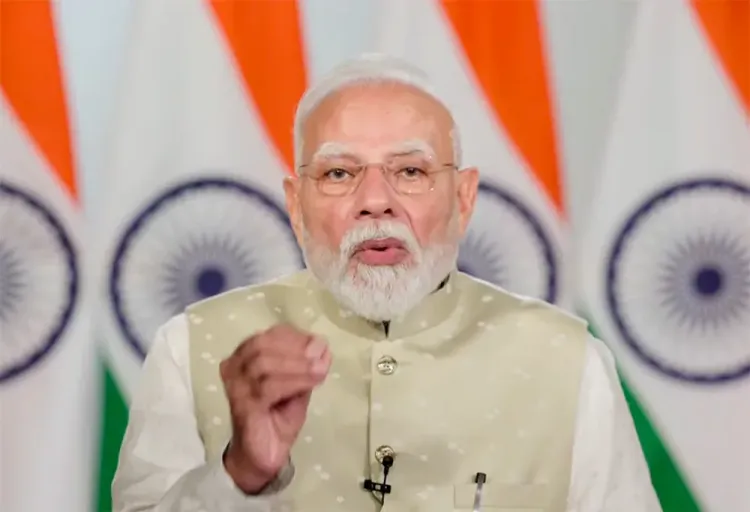
India's real GDP growth surged to 7.8 per cent in the first quarter (Q1) of FY 2026-27, with real GDP clocking ₹81.36 lakh crore against ₹75.46 lakh crore in Q1 FY 2025-26, according to data released by the Ministry of Statistics and Programme Implementation (MoSPI) on 31 August. Prime Minister Narendra Modi hailed the figures as a 'herculean feat', pointing to the resilience of the Indian economy amid persistent global headwinds.
What the Numbers Show
Nominal GDP — measured at current prices — for Q1 FY 2026-27 is estimated at ₹88.27 lakh crore, up from ₹80 lakh crore in the same quarter a year ago, reflecting a nominal growth rate of 10.3 per cent. Real gross value added (GVA) for the quarter came in at ₹73.82 lakh crore, against ₹68.21 lakh crore in Q1 FY26, a growth rate of 8.2 per cent. Nominal GVA expanded even faster, rising 11.5 per cent to ₹80.53 lakh crore from ₹72.24 lakh crore.
What PM Modi Said
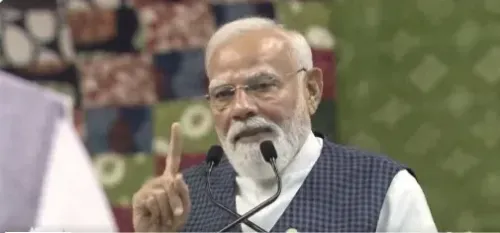
In a post on X, Prime Minister Modi attributed the performance to collective national strength. 'The collective strength of our people ensured India delivered such growth despite oil price shocks and supply chain issues in the midst of global uncertainties,' he wrote. He added, characteristically: 'Doomsayers were doomed and India bloomed…yet again!'
Methodology and Benchmarks
The quarterly GDP estimates follow the International Monetary Fund (IMF)'s Quarterly National Accounts Manual, 2017 guidelines, using a base year of 2022-23. Notably, the new National Accounts Statistics series has adopted the 'Double Deflation' approach for estimating GVA in the Manufacturing sector — a methodological upgrade that improves the accuracy of real output measurement by deflating inputs and outputs separately.
Context and Global Backdrop
The 7.8 per cent growth print arrives against a challenging external environment marked by elevated crude oil prices and disrupted global supply chains — pressures that have weighed on several emerging market economies. India's performance, if sustained, would place it among the fastest-growing major economies in the world for this period. This comes amid ongoing debate about the quality and distribution of growth, with critics noting that headline GDP figures do not always capture ground-level employment or consumption trends.
What to Watch Next
Analysts will scrutinise Q2 FY27 data for signs of whether the momentum holds, particularly as global interest rate trajectories and monsoon-linked agricultural output remain key variables. The Reserve Bank of India (RBI)'s next monetary policy review will also be closely watched for how it reads the growth-inflation balance in light of these figures.
Point of View
But it also means direct comparisons with earlier series carry caveats. The more important test will come in Q2, when monsoon impact on agriculture and softening global demand will stress-test whether this is a durable trajectory or a statistical high-water mark.
NationPress
16 Oct 2026
Frequently Asked Questions
What was India's GDP growth rate in Q1 FY 2026-27?
India recorded real GDP growth of 7.8 per cent in the first quarter of FY 2026-27 (April–June 2026), with real GDP estimated at ₹81.36 lakh crore compared to ₹75.46 lakh crore in Q1 FY 2025-26, according to data released by MoSPI on 31 August.
What did PM Modi say about India's GDP growth?
Prime Minister Narendra Modi called the 7.8 per cent growth a 'herculean feat' in a post on X. He credited the collective strength of the Indian people for delivering the result despite oil price shocks, supply chain disruptions, and broader global uncertainties.
What is India's nominal GDP for Q1 FY 2026-27?
India's nominal GDP — measured at current prices — for Q1 FY 2026-27 is estimated at ₹88.27 lakh crore, up from ₹80 lakh crore in Q1 FY 2025-26, reflecting a nominal growth rate of 10.3 per cent.
What is the GVA growth rate for Q1 FY 2026-27?
Real GVA grew 8.2 per cent to ₹73.82 lakh crore in Q1 FY 2026-27, while nominal GVA rose 11.5 per cent to ₹80.53 lakh crore, according to MoSPI data.
What methodology was used to calculate India's Q1 GDP?
The estimates follow the IMF's Quarterly National Accounts Manual 2017 guidelines, using a base year of 2022-23. The new National Accounts Statistics series also adopts the 'Double Deflation' method for estimating Manufacturing sector GVA, improving real output accuracy.