India's GDP grows 7.8% in Q1 FY27: Ministers cite reforms, people's effort
Synopsis
India clocked 7.8 per cent real GDP growth in Q1 FY2026-27 — one of the strongest prints among major global economies — even as oil shocks and supply-chain disruptions rattled peers. With GVA at 8.2 per cent and nominal growth at 10.3 per cent, the numbers suggest broad-based momentum, though the durability of private consumption and investment will define whether this pace holds through the fiscal year.
Key Takeaways
India's real GDP grew 7.8 per cent in Q1 FY2026-27 , according to official estimates.
Nominal GDP growth stood at 10.3 per cent ; real GVA grew 8.2 per cent in the same period.
Finance Minister Nirmala Sitharaman attributed the performance to NDA reforms and 'agile management of the economy'.
Petroleum Minister Hardeep Singh Puri flagged the result as significant against a backdrop of global oil price shocks and supply-chain disruptions.
India's 1.4 billion people and multi-sector enterprise were cited by ministers as central to the resilient outcome.
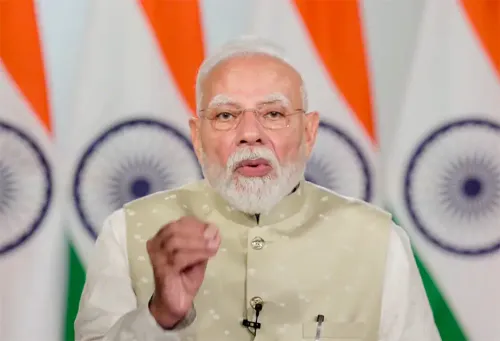
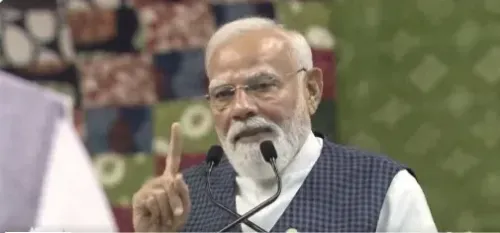
India's real GDP expanded by 7.8 per cent in the first quarter of fiscal year 2026-27, according to official estimates released on Monday, 31 August. Senior Union Ministers attributed the performance to a combination of citizen enterprise, structural economic reforms, and the NDA government's policy management under Prime Minister Narendra Modi.
Key GDP Figures
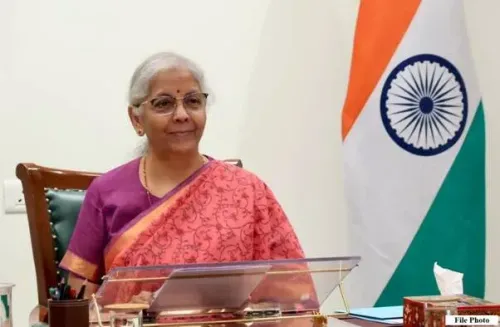
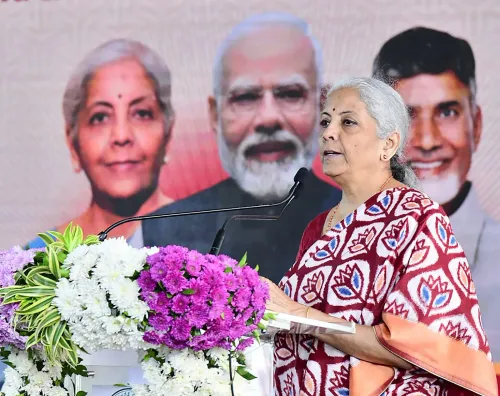
Finance Minister Nirmala Sitharaman said nominal GDP growth for Q1 FY2026-27 came in at 10.3 per cent, while real Gross Value Added (GVA) recorded growth of 8.2 per cent. She described the numbers as evidence of the economy's underlying strength and resilience. Sitharaman credited the hard work of India's people alongside the NDA government's reform agenda and what she called 'agile management of the economy' for delivering these results.
What the Government Said
Commerce and Industry Minister Piyush Goyal welcomed the figures, calling the 7.8 per cent real GDP growth a reflection of both economic resilience and the commitment of India's citizens. He said the performance was underpinned by reform-oriented policies and added that India was 'steadily moving towards a stronger and more aspirational economy' under Prime Minister Modi's leadership.
Petroleum and Natural Gas Minister Hardeep Singh Puri framed the growth as particularly significant given prevailing global headwinds — including oil price volatility and supply-chain disruptions. Puri highlighted India's energy diplomacy as a factor in helping the country navigate these external pressures, and credited the collective enterprise of India's 1.4 billion people across multiple sectors.
Context and Significance
A 7.8 per cent real GDP growth rate would place India among the fastest-growing major economies globally in the quarter. This comes amid a broader global slowdown, with several advanced economies grappling with elevated interest rates and subdued consumer demand. Notably, India's GVA growth of 8.2 per cent — which strips out net taxes — suggests broad-based sectoral momentum rather than growth concentrated in a single segment.
The Q1 FY27 print also follows a period of robust capital expenditure by the Centre, which economists have credited with crowding in private investment. Whether private capex sustains this momentum through the remainder of the fiscal year remains a key variable to watch.
What Comes Next
Full sectoral breakdowns and revised estimates are expected from the National Statistical Office (NSO) in subsequent releases. Analysts will closely track whether consumption-driven growth — historically a laggard relative to investment — picks up in the coming quarters, and how global commodity prices affect India's external balances through the rest of FY2026-27.
Point of View
But the more telling number is GVA at 8.2 per cent — it suggests the growth is not a statistical artefact of tax buoyancy but reflects actual value creation across sectors. What ministers did not address is the consumption side: private consumption has been the persistent soft spot in India's post-pandemic recovery, and a government-capex-led growth model has limits. The real test of FY27 is whether this Q1 momentum translates into jobs and wage growth that households can feel — not just a number that finance ministries can cite.
NationPress
16 Oct 2026
Frequently Asked Questions
What was India's GDP growth rate in Q1 FY2026-27?
India's real GDP grew by 7.8 per cent in the first quarter of fiscal year 2026-27, according to official estimates. Nominal GDP growth for the same period was recorded at 10.3 per cent.
What is GVA and how did it perform in Q1 FY27?
Gross Value Added (GVA) measures economic output excluding net taxes on products, offering a cleaner view of sectoral performance. India's real GVA grew 8.2 per cent in Q1 FY2026-27, indicating broad-based activity across sectors.
What did Finance Minister Nirmala Sitharaman say about the GDP figures?
Finance Minister Nirmala Sitharaman said the 7.8 per cent real GDP growth underlined the strength and resilience of the Indian economy. She attributed the result to the hard work of India's people and the NDA government's reform agenda and economic management.
Why did Petroleum Minister Hardeep Singh Puri call the growth 'particularly significant'?
Puri noted that the growth was achieved against a backdrop of global uncertainties, including oil price shocks and supply-chain disruptions. He credited India's energy diplomacy and the enterprise of its 1.4 billion people for navigating these external pressures.
What will determine if India maintains this growth pace through FY2026-27?
Analysts will watch whether private consumption — a historically weak link in India's recovery — accelerates in subsequent quarters. Global commodity prices, FII flows, and the pace of private capital expenditure are the key variables for the remainder of FY2026-27.