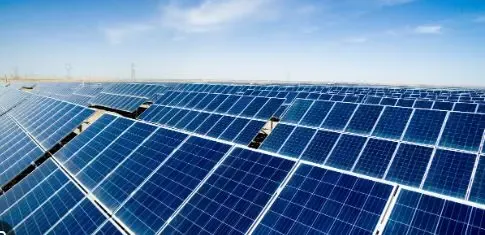
India's solar boom is generating millions of green jobs: Report
Synopsis
India's solar boom is doing more than cutting electricity bills — it is quietly building a new labour market. From battery management experts in villages to rooftop installers in urban housing societies, the sector is generating jobs that didn't exist at scale a decade ago. A proposed 'Right to Solar' policy could accelerate this into a structural economic shift.
Key Takeaways
Rooftop solar is now among the most affordable electricity sources in India , according to a Saviours magazine article.
The sector demands roles including technicians , installers , battery management experts , and energy auditors .
Affordable solar is attracting flour mills , agro-processing units , and other micro-industries to rural and suburban areas.
Panchayats and local bodies are identified as key facilitators of rural solar-linked employment.
A national 'Right to Solar' policy, with financing support, could create millions of green jobs and strengthen energy security.
Solar communities contribute directly to India's climate goals by reducing greenhouse gas emissions and air pollution.
India's rapidly expanding solar sector is emerging as a significant engine of green employment, with rooftop solar now among the most affordable electricity sources available in the country, according to an article published in Saviours magazine. The report, cited on 24 June, highlights how solar growth is reshaping labour markets from urban rooftops to remote villages.
A New Workforce for a New Energy Era
The solar sector's expansion demands a diverse and technically skilled workforce. According to the article, the industry requires trained technicians, installers, electricians, maintenance specialists, battery management experts, and energy auditors — roles that did not exist at scale a decade ago. As solar cooperatives scale across both urban and rural geographies, demand for these specialised skills is projected to grow steadily, creating sustainable employment pathways for young professionals and technical workers.
Rural Industrialisation Through Solar Access
In many Indian states, affordable solar electricity is reportedly catalysing the establishment of small-scale industries in suburban and rural areas. Enterprises such as flour mills, agro-processing units, grinding mills, and other micro-industries are increasingly drawn to locations where clean, low-cost power is accessible. The article notes that panchayats and local bodies can play a pivotal role in facilitating these connections, thereby generating additional employment and strengthening rural economies.
Urban Housing Societies Join the Solar Shift
The trend is not confined to rural India. Many residential societies are installing rooftop solar systems on apartment buildings, parking structures, and shared facilities. The electricity generated powers lifts, water pumps, lighting systems, and security infrastructure — reducing maintenance costs and lowering electricity bills for residents. This urban adoption is adding a new layer of demand for installation and maintenance professionals.
Climate and Community Benefits
Beyond employment, the article underscores the environmental dividend of solar communities. By replacing fossil-fuel-based electricity with renewable solar energy, communities can significantly reduce greenhouse gas emissions and air pollution, directly contributing to India's national climate commitments. Socially, community-owned energy systems are said to encourage citizen participation, strengthen social cooperation, and improve access to clean, affordable energy for low-income and underserved populations.
The Case for a 'Right to Solar'
The article argues that a national 'Right to Solar' policy — backed by supportive financing mechanisms and community participation frameworks — could help India simultaneously reduce energy costs, strengthen energy security, create millions of green jobs, and build resilient, future-ready communities. According to the article, the clean-energy transition is no longer a distant vision: through solar communities, it can begin on every rooftop, in every village and neighbourhood across the country.
Point of View
But the article in Saviours magazine stops short of quantifying how many jobs are actually being created or at what wage levels — a critical gap. India has ambitious renewable energy targets, yet skill-development pipelines for solar technicians remain underfunded relative to the scale required. The 'Right to Solar' proposal is directionally sound, but without a financing architecture that reaches the bottom quintile, it risks becoming another urban-subsidy story dressed in rural language. The real test is whether panchayat-level facilitation translates into verifiable income gains for workers, not just installed capacity numbers.
NationPress
24 Jun 2026
Frequently Asked Questions
How is India's solar expansion creating green jobs?
India's solar sector requires trained technicians, installers, electricians, maintenance specialists, battery management experts, and energy auditors, according to a Saviours magazine article. As solar cooperatives expand across urban and rural areas, demand for these specialised skills is expected to grow, creating sustainable employment for young professionals and technical workers.
What is the 'Right to Solar' proposal mentioned in the report?
The 'Right to Solar' is a proposed national policy framework that, combined with supportive financing and community participation, aims to help India reduce energy costs, strengthen energy security, and create millions of green jobs. The article in Saviours magazine argues it could make solar access universal across villages and urban neighbourhoods.
How does rooftop solar benefit rural economies in India?
Affordable solar electricity is reportedly attracting small-scale enterprises such as flour mills, agro-processing units, and grinding mills to suburban and rural areas. Panchayats and local bodies are identified as key facilitators of these connections, which can generate additional employment and strengthen local economies.
Are urban areas also benefiting from the solar employment boom?
Yes. Many residential societies are installing rooftop solar on apartment buildings, parking structures, and shared facilities, powering lifts, water pumps, and lighting systems. This urban adoption is creating fresh demand for installation and maintenance professionals in cities as well.
What are the environmental benefits of solar communities in India?
By replacing fossil-fuel-based electricity with solar energy, communities can significantly reduce greenhouse gas emissions and air pollution, directly supporting India's national climate commitments. The article notes that solar communities improve local environmental quality while contributing to broader net-zero goals.