Is India's Trade Set to Reach Rs 7.58 Lakh Crore This Festive Season?
Synopsis
Discover how India's economy is thriving this festive season with an estimated trade turnover of Rs 7.58 lakh crore. From weddings to Diwali, the demand for local products is reshaping the marketplace. Read on to find out how this season reflects India's economic resilience and consumer strength!
Key Takeaways
Estimated trade turnover of Rs 7.58 lakh crore for the festive season.
Increased consumer spending driven by local products.
Automobile sales projected to reach Rs 1.3 lakh crore.
Real estate sector expected to contribute Rs 1.2 lakh crore.
Jewelry and electronics markets also showing significant growth.
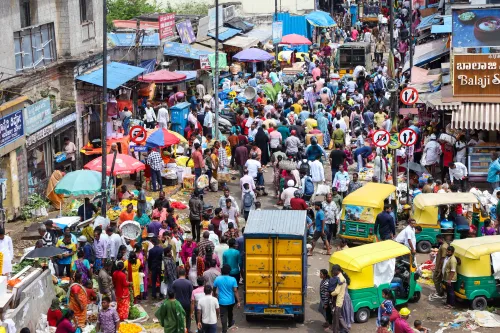
Jaipur, Oct 13 (NationPress) This festive and wedding season, India’s economy is witnessing remarkable growth, with the Bharatiya Udyog Vyapar Mandal (BUVM) projecting an astonishing Rs 7.58 lakh crore in overall trade turnover. Celebrations from Dussehra and Diwali to Dhanteras, Chhath, and the beginning of wedding festivities are drawing unprecedented consumer engagement and spending across markets nationwide.
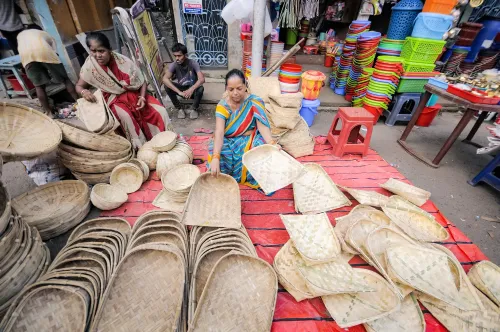
The boost can, in part, be traced back to Prime Minister Narendra Modi’s appeal during his Independence Day speech on August 15, where he encouraged the public to embrace Swadeshi (local) products. This call to action has developed into a nationwide initiative, with retailers actively endorsing Indian-made items. Furthermore, recent GST reforms have bolstered consumer sentiment and simplified business operations, as noted by BUVM.
To gauge the magnitude of trade this season, BUVM established a national committee comprising trade leaders from key cities such as Mumbai, Delhi, Chennai, Jaipur, Ahmedabad, Bangalore, Kolkata, and Hyderabad. The findings were unveiled by BUVM National President Babulal Gupta along with General Secretaries Mukund Mishra and Hemant Gupta.
The statistics reveal significant sectoral activity: automobile sales—encompassing cars, motorcycles, tractors, and commercial vehicles—are anticipated to yield Rs 1.3 lakh crore, while the real estate sector, which includes plots, flats, villas, and construction materials, is expected to account for Rs 1.2 lakh crore.
Basic necessities like groceries and food items are projected to contribute Rs 1 lakh crore.
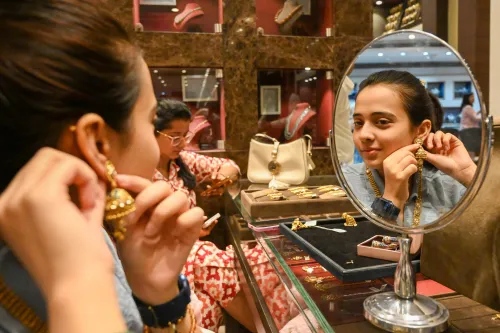
The jewelry market, which includes gold, silver, and precious ornaments, is anticipated to generate Rs 50,000 crore, while traditional Diwali purchases, including steel, brass, and copper utensils, are likely to surpass Rs 50,000 crore.
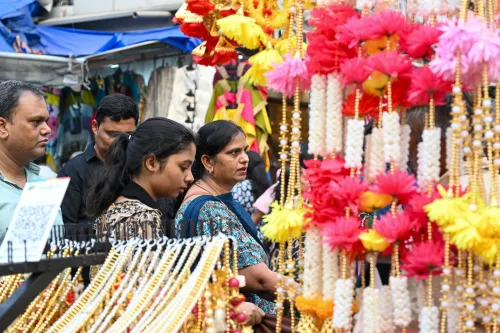
Similarly, the demand for electronics and home appliances is witnessing a surge, with total sales expected to reach Rs 50,000 crore. Other sectors such as wedding attire, dry fruits, home decor, cosmetics, lighting, furniture, and gifting are also experiencing steady demand, with the wedding season poised to enhance momentum post-Diwali.
Firecracker sales, especially popular in Uttar Pradesh, are expected to exceed Rs 10,000 crore. BUVM highlighted that regional festivals, such as river worship and Chhath observances in UP and Bihar, also significantly contribute to local economies.
In a media statement, BUVM President Babulal Gupta shared that the festive rush commenced with Dussehra on October 2 and will persist through Chhath Puja (October 25–28) and into the wedding season.
This period also coincides with farmers bringing their fresh harvests—including paddy, millet, soybean, maize, pulses, and grains—to market, further boosting supply and spending in both rural and urban regions.
General Secretary Mukund Mishra noted that the festive spirit and robust consumer demand, particularly for domestically produced goods, are driving economic activity across various sectors.
He emphasized that the embrace of Swadeshi products has transformed from a mere symbolic act to a commercial trend reshaping India’s retail landscape.
With retail confidence soaring and the market thriving with festive energy, this season signifies not only celebrations but also a powerful representation of India's economic resilience and consumer strength.
Point of View
It is imperative to recognize the transformative impact of local products on the economy. The BUVM's projection of a Rs 7.58 lakh crore trade turnover highlights not only consumer confidence but also a shift towards indigenous goods, fostering economic resilience across sectors. This festive season serves as a testament to India's enduring strength and adaptability.
NationPress
26 Sept 2026
Frequently Asked Questions
What is the estimated trade turnover for this festive season?
The estimated trade turnover for this festive season is Rs 7.58 lakh crore according to the BUVM.
How are local products influencing India's economy?
Local products are significantly influencing India's economy by driving consumer sentiment and spending, as highlighted by the rise in demand for Swadeshi goods.
Which sectors are expected to see the highest sales?
Sectors such as automobiles, real estate, groceries, and electronics are expected to witness the highest sales this season.
What role do festivals play in boosting the economy?
Festivals play a vital role in boosting the economy by increasing consumer footfall and spending across various sectors.
How does the festive season impact farmers?
The festive season impacts farmers positively as they bring their fresh harvests to market, enhancing supply and contributing to spending.