Lok Sabha Speaker Revamps Inquiry Panel for Justice Varma
Synopsis
The Lok Sabha Speaker has revamped the inquiry committee examining allegations against Justice Yashwant Varma, who is embroiled in controversy over burnt cash found at his residence. This change marks a significant step in the ongoing investigation.
Key Takeaways
Lok Sabha Speaker has reconstituted the inquiry committee.
Justice Yashwant Varma faces serious allegations.
Committee includes notable judges and advocates.
Investigation to commence on March 6, 2026 .
Importance of accountability in the judiciary.
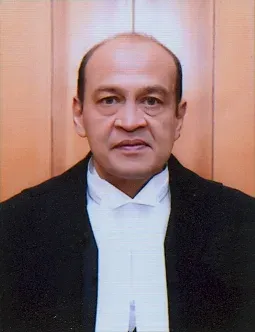
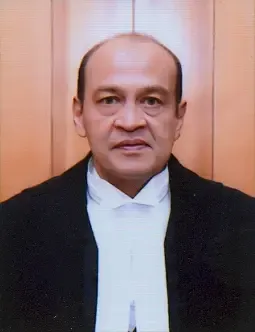
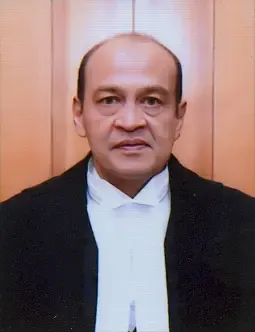
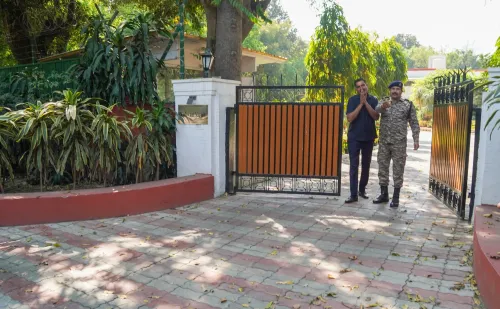
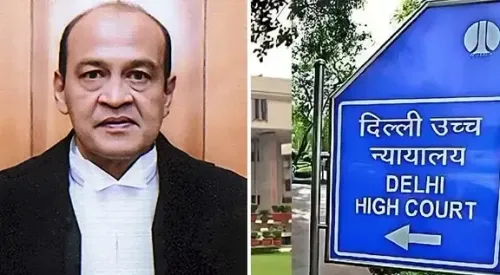
In New Delhi, on February 26 (NationPress), the Lok Sabha Speaker, Om Birla, has reformed the three-member investigation panel responsible for probing the allegations against Justice Yashwant Varma of the Allahabad High Court. This judge has been embroiled in controversy since burnt cash was found in March of the previous year in an outhouse of his designated residence, assigned during his tenure at the Delhi High Court.
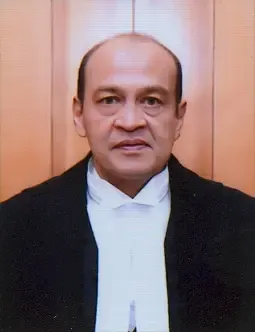
A notification released by the Lok Sabha Secretariat on Wednesday indicates that the new committee will include Justice Aravind Kumar from the Supreme Court as Chairperson, Justice Shree Chandrashekhar, the Chief Justice of the Bombay High Court, and senior advocate B.V. Acharya from the Karnataka High Court.
The notification specified that this newly formed panel will commence its duties on March 6, 2026. This adjustment follows the impending retirement of Chief Justice Maninder Mohan Shrivastava of the Madras High Court, who was part of the original committee established in August 2025, after impeachment notices were filed against Justice Varma in Parliament. Justice Shree Chandrashekhar has replaced him, while Justice Aravind Kumar and B.V. Acharya continue as members.
Justice Varma's troubles began when burnt cash was reportedly discovered on March 14, 2025, in an outhouse of his official residence during his time as a judge in Delhi.
Impeachment notices, supported by 145 members from the Lok Sabha and 63 from the Rajya Sabha, were submitted in both Houses of Parliament in July 2025. The Lok Sabha Speaker subsequently established a three-member inquiry committee under the Judges (Inquiry) Act, 1968 to investigate the allegations.
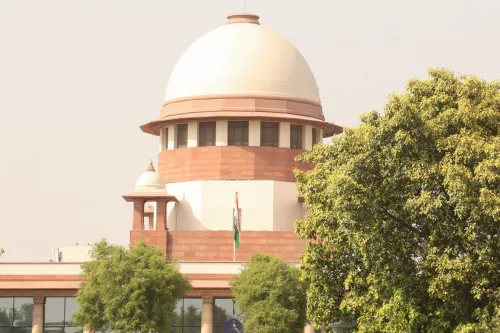
Earlier this year, the Supreme Court dismissed a petition from Justice Varma challenging the Lok Sabha Speaker’s decision to form the inquiry committee.
In their verdict, a Bench of Justices Dipankar Datta and Satish Chandra Sharma stated: “We determine that the petitioner is not entitled to any relief in this case.”
Justice Varma had raised procedural questions regarding the establishment of the inquiry panel, arguing that simultaneous impeachment notices in both Houses necessitated joint consultation between the Lok Sabha Speaker and the Rajya Sabha Chairman prior to forming the committee.
Previously, Justice Varma also contested the conclusions of a three-member in-house inquiry committee set up by the Supreme Court, which found that he exercised “secret or active control” over the cash reportedly recovered from his residence.
The Supreme Court rejected this challenge as well, concluding that the in-house process was “fair and just,” maintaining judicial independence.
Following the in-house inquiry report, then Chief Justice of India Sanjiv Khanna recommended the initiation of removal proceedings, leading to the establishment of the parliamentary inquiry committee, whose membership has now been updated.
Point of View
The reconstitution of the inquiry panel highlights the ongoing scrutiny of judicial conduct, especially in cases involving serious allegations. As the investigation unfolds, it reflects the need for accountability in the judiciary, reinforcing the principle that no one is above the law.
NationPress
3 Oct 2026
Frequently Asked Questions
What prompted the formation of the inquiry committee?
The inquiry committee was formed following allegations against Justice Yashwant Varma, including the discovery of burnt cash at his residence.
Who are the members of the reconstituted committee?
The committee now includes Justice Aravind Kumar as Chairperson, Justice Shree Chandrashekhar, and senior advocate B.V. Acharya.
When will the new committee start its work?
The reconstituted panel will commence its investigation on March 6, 2026.
What was Justice Varma's response to the inquiry?
Justice Varma challenged the constitution of the inquiry panel on procedural grounds but was denied relief by the Supreme Court.
What is the significance of this inquiry?
This inquiry is significant as it underscores the importance of accountability in the judiciary, particularly concerning serious allegations.