Iran's cultural chief visits Akshardham, underscores India-Iran civilisational ties
Synopsis
Iran's top cultural official visited Delhi's Akshardham Temple and met its head of administration — a rare instance of Islamic cultural diplomacy being conducted at a Hindu landmark. The Embassy of Iran publicly framed it as a celebration of shared civilisational values, signalling Tehran's intent to deepen people-to-people ties with India through soft power.
Key Takeaways
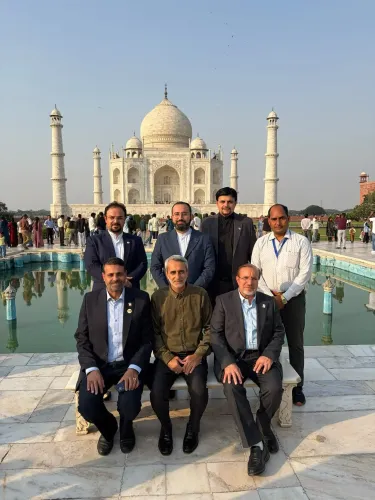
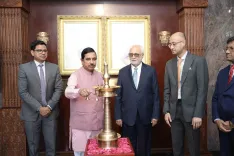
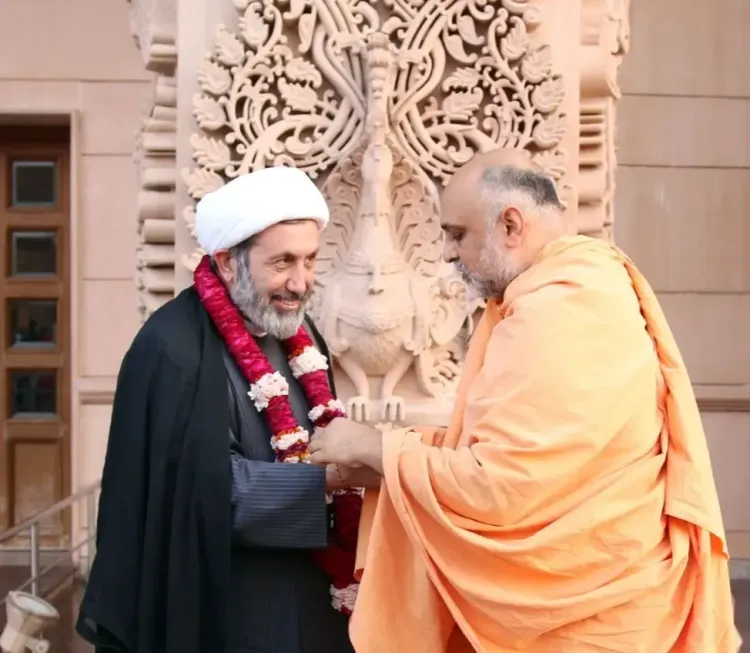
Dr Mohammad Mahdi Imanipour , President of Iran's ICRO , visited Swaminarayan Akshardham Temple in New Delhi on 20 November 2026 .
He met Gnanmunidas Swami , Head of Administration at the temple, in a gesture underscoring interfaith dialogue.
The Embassy of Iran in India shared photographs of the visit on its official X account, emphasising 'different traditions, shared values, one human family.' Akshardham, inaugurated in November 2005 and built by BAPS Swaminarayan Sanstha , is one of Delhi's foremost religious and cultural landmarks.
The visit reflects the centuries-old civilisational link between India and Iran, anchored in shared heritage in Persian language, literature, art and architecture.
Dr Mohammad Mahdi Imanipour, President of Iran's Islamic Culture and Relations Organisation (ICRO), visited the Swaminarayan Akshardham Temple in New Delhi on 20 November 2026, meeting saint Gnanmunidas Swami, Head of Administration at the temple, in a visit that underscored interfaith dialogue and centuries-old civilisational bonds between India and Iran. The Embassy of the Islamic Republic of Iran in India shared photographs of the visit on its official X account, describing the encounter as a reflection of cultural diversity, religious harmony and mutual understanding.
What the Embassy Said
The embassy's post on X described the meeting as a moment that 'highlighted the importance of interfaith dialogue, mutual understanding and the enduring bonds between the civilisations of Iran and India.' It added: 'Different traditions, shared values, one human family.' The post drew attention to India's diversity and heritage, framing the Akshardham visit as emblematic of peaceful coexistence between distinct religious traditions.
About Akshardham Temple
Inaugurated in November 2005, the Swaminarayan Akshardham complex is one of Delhi's most prominent religious and cultural landmarks. Built by the BAPS Swaminarayan Sanstha, the sprawling monument showcases India's spiritual traditions, classical architecture and cultural heritage, attracting visitors from across the world. The choice of venue for this diplomatic gesture carries symbolic weight — Akshardham is widely regarded as a showcase of India's pluralistic ethos.
India-Iran Civilisational Context
The visit draws on a relationship that stretches back centuries. Persian language, literature, art and architecture have left a lasting imprint on India's cultural landscape — from Mughal poetry to architectural forms found across the subcontinent. This shared heritage has historically provided a foundation for people-to-people engagement that runs deeper than formal diplomatic ties. Notably, cultural diplomacy has increasingly gained prominence as both countries navigate a complex geopolitical environment.
Significance of the Visit
The embassy's message placed particular emphasis on religious respect and people-to-people connections, reinforcing the role of cultural diplomacy in strengthening bilateral relations. The Imanipour visit signals that Iran is keen to cultivate soft-power channels with India alongside its strategic and economic engagements. For India, which maintains active ties with Tehran despite Western sanctions pressure, such cultural gestures serve to keep bilateral channels warm at multiple levels.
Point of View
Perhaps as a counterweight to its international isolation. What is worth watching is whether this cultural warmth translates into tangible people-to-people programming, or remains symbolic. India's engagement with Iran has always been pulled between strategic interest and Western pressure; cultural diplomacy, sitting outside that fault line, may be the safest and most durable channel both sides can sustain.
NationPress
20 Nov 2026
Frequently Asked Questions
Who is Dr Mohammad Mahdi Imanipour and why did he visit Akshardham?
Dr Mohammad Mahdi Imanipour is the President of Iran's Islamic Culture and Relations Organisation (ICRO), the body responsible for promoting Iranian culture abroad. He visited the Swaminarayan Akshardham Temple in New Delhi on 20 November 2026 to highlight interfaith dialogue and the deep civilisational ties between India and Iran.
What did the Iranian Embassy say about the Akshardham visit?
The Embassy of the Islamic Republic of Iran in India posted photographs on its official X account, stating the visit 'highlighted the importance of interfaith dialogue, mutual understanding and the enduring bonds between the civilisations of Iran and India.' It summed up the encounter with the phrase: 'Different traditions, shared values, one human family.'
What is the Swaminarayan Akshardham Temple?
Swaminarayan Akshardham is a major religious and cultural complex in New Delhi, inaugurated in November 2005 and built by the BAPS Swaminarayan Sanstha. It is recognised as one of Delhi's most prominent landmarks and draws visitors from around the world for its architecture, spiritual exhibits and cultural heritage.
What is the historical basis for India-Iran cultural ties?
India and Iran share centuries of cultural exchange, with Persian language, literature, art and architecture having left a lasting imprint on the Indian subcontinent. These ties predate modern nation-states and have historically provided a foundation for people-to-people connections beyond formal diplomacy.
What is the significance of this visit for bilateral relations?
The visit signals Iran's intent to strengthen cultural diplomacy with India alongside its strategic and economic engagements. For India, which maintains active ties with Tehran despite Western sanctions pressure, such cultural gestures help sustain bilateral warmth across multiple channels beyond formal government-to-government dealings.