ISI-linked terror syndicate busted in Delhi: 7 arrested, Pak gangster Shahzad Bhatti named
Synopsis
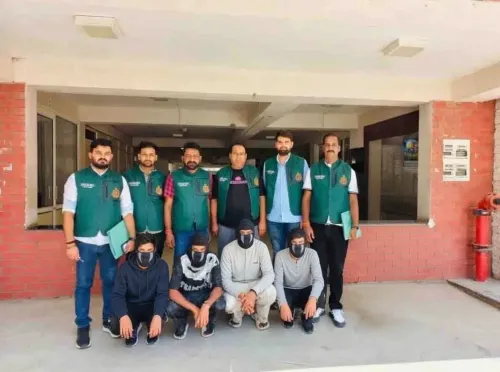
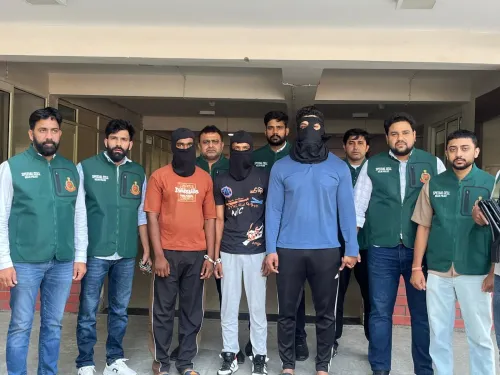
Delhi Police's Special Cell has dismantled an ISI-backed terror-crime network allegedly run by Pakistan-based gangster Shahzad Bhatti — arresting seven operatives, seizing five pistols and 41 cartridges, and foiling planned attacks on Delhi-NCR targets. The syndicate used social media, dead-drops, hawala, and drone deliveries, exposing a sophisticated cross-border terror pipeline that went well beyond ordinary organised crime.
Key Takeaways
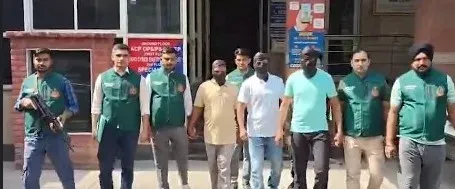
Delhi Police Special Cell arrested seven operatives of an ISI -backed terror-crime syndicate on 16 June 2026 .
The network was allegedly directed by Pakistan -based gangster Shahzad Bhatti and his aide Ajmal Gujjar .
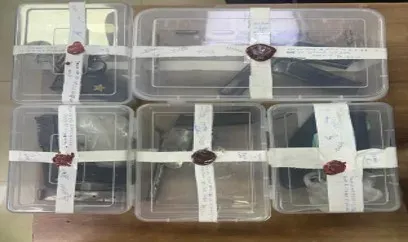
Recovered items include five semi-automatic pistols , 41 live cartridges , mobile phones with incriminating data, and one Scorpio vehicle .
Operatives allegedly conducted reconnaissance of sensitive targets in Delhi-NCR and Haryana , transmitting photos and videos to Pakistan-based handlers.
The syndicate recruited youth via social media and financed operations through UPI transactions , hawala channels, and drug proceeds.
Delhi Police are still searching for absconding members including accused Aamir , weapons suppliers, and financiers of the network.
Delhi Police's Special Cell has dismantled an Inter-Services Intelligence (ISI)-backed international terror-crime syndicate allegedly operated by Pakistan-based gangster-turned-terrorist Shahzad Bhatti and his aide Ajmal Gujjar, arresting seven key operatives in an operation concluded on 16 June 2026. The network was allegedly engaged in smuggling illegal arms, ammunition, and narcotics from Pakistan into Delhi and the National Capital Region (NCR), while simultaneously planning targeted terror attacks.
How the Operation Unfolded
A dedicated team of the Delhi Police Special Cell (Eastern Range), led by Inspectors Rahul Kumar, Vineet Kumar Tewatia, and Ajit Kumar under the supervision of Assistant Commissioner of Police Kailash Singh Bisht, acted on specific intelligence received in mid-May 2026. The inputs indicated that Bhatti, in alleged conspiracy with Gujjar and at the direction of the ISI, was planning attacks in Delhi-NCR using youths recruited through social media.
The first arrest came near the Bhagirath Water Treatment Plant in Yamuna Vihar, Delhi, where Mohit, a resident of Loni, Ghaziabad in Uttar Pradesh, was apprehended. From his possession, investigators recovered one illegal pistol, four live cartridges, and a mobile phone containing incriminating chats with Gujjar. Subsequent interrogations led to further arrests, eventually netting seven operatives in total.
Arms, Drugs and Reconnaissance Directives
In total, the Special Cell recovered five semi-automatic pistols, 41 live cartridges, multiple mobile phones carrying incriminating chats and voice notes linked to Bhatti and Gujjar, and one Scorpio vehicle used by the syndicate. According to investigators, the network smuggled heroin from Punjab into Delhi-NCR using a dead-drop delivery system, with accused Anas and Karan reportedly deputed to Punjab to facilitate these operations.
Interrogation of accused Anas revealed that Pakistan-based handlers had directed operatives to conduct reconnaissance of public places, prominent eateries in Haryana, certain individuals in Delhi and Loni, and other sensitive establishments in Delhi-NCR. Photographs and videos of identified targets were allegedly transmitted to handlers in Pakistan for further operational planning. According to officials, the stated objective was to create fear and disturb communal harmony.
Recruitment Through Social Media and Financial Channels
According to investigators, the syndicate exploited social media platforms and encrypted communication channels to radicalise and recruit vulnerable Indian youth. Potential recruits were allegedly lured through monetary inducements, promises of quick financial gains, and the glorification of criminal lifestyles on social media. One accused, Arif, reportedly purchased a Jigana pistol from Gujjar for ₹1,00,000, with payment routed through UPI transactions using accounts of individuals working in Dubai — funds ultimately received through conduits associated with the network.
The network is said to have operated through encrypted applications, disposable mobile numbers, anonymous social media accounts, hawala channels, scanner-based financial transactions, dead-drop delivery mechanisms, and photo or video-based confirmation systems. Several members reportedly have prior criminal records spanning murder, attempted murder, robbery, Arms Act violations, and cases under the Narcotic Drugs and Psychotropic Substances (NDPS) Act.
Prior Incidents and Ongoing Search
In February 2026, Arif allegedly supplied narcotics to an associate identified as Happy, who was subsequently arrested by Punjab Police. Following Mohit's arrest, accused Anas absconded before later surrendering in connection with an earlier case. Accused Aamir remains at large. Delhi Police are currently conducting searches for absconding network members, weapons suppliers, and those involved in financing the operation.
The Special Cell's intervention is said to have thwarted several planned terror incidents. With the primary module dismantled, investigators are now tracing the full financial and operational chain linking the syndicate back to its alleged ISI patrons in Pakistan.
Point of View
But for what it reveals about the architecture of cross-border terror financing. The use of UPI payments routed through Dubai-based accounts, dead-drop deliveries, and drone-smuggled weapons from Pakistan points to a syndicate that has deliberately blended organised crime with ideological terror — making it harder to detect and disrupt. The recruitment playbook — Instagram lures, quick-money promises, criminal glamorisation — is a pattern Delhi Police and central agencies have flagged before, yet the pipeline persists. The deeper question is whether dismantling this module addresses the source, or merely prunes one branch of a network whose ISI patronage, if confirmed, implicates state-level sponsorship that law enforcement alone cannot resolve.
NationPress
16 Sept 2026
Frequently Asked Questions
What is the ISI-linked terror syndicate busted by Delhi Police?
It is an alleged Inter-Services Intelligence (ISI)-backed terror-crime network reportedly operated by Pakistan-based gangster Shahzad Bhatti and his aide Ajmal Gujjar. The syndicate was involved in smuggling illegal arms and narcotics from Pakistan into Delhi-NCR while allegedly planning targeted terror attacks in the region.
How many people were arrested in the Delhi Special Cell operation?
Seven key operatives were arrested by the Delhi Police Special Cell. The arrests followed specific intelligence received in mid-May 2026 about planned attacks in Delhi-NCR directed by Shahzad Bhatti and Ajmal Gujjar at the alleged behest of Pakistan's ISI.
What weapons and materials were recovered in the operation?
The Special Cell recovered five semi-automatic pistols, 41 live cartridges, multiple mobile phones containing incriminating chats and voice notes linked to Bhatti and Gujjar, and one Scorpio vehicle used by the syndicate.
How did the syndicate recruit members and move money?
According to investigators, the network used social media platforms — including Instagram accounts operated by Ajmal Gujjar — to lure vulnerable youth with promises of quick money and criminal glamour. Payments were routed through UPI transactions using accounts of individuals in Dubai, with funds reaching the network through hawala conduits.
Are any accused still at large?
Yes. Accused Aamir remains absconding, and Delhi Police are actively searching for other fugitive members, weapons suppliers, and financiers linked to the network. Accused Anas had absconded after Mohit's arrest but later surrendered in connection with a separate earlier case.