Is Islamic State's New Playbook All About Indoctrination in Tamil Nadu?
Synopsis
An alarming trend emerges in Tamil Nadu as the Islamic State shifts focus from direct attacks to societal indoctrination. Intelligence agencies warn of a growing radicalization network fueled by propaganda on social media platforms, endangering communal harmony and security.
Key Takeaways
Radicalization in Tamil Nadu is primarily propagated through social media.
The Islamic State is focusing on changing societal mindsets rather than executing attacks.
Community involvement is crucial for de-radicalization efforts.
Wahhabi influences significantly contribute to the spread of extremist ideologies.
Monitoring and preventive measures are essential for maintaining security.
New Delhi, Jan 9 (NationPress) Groups like Black Flag Soldiers and Islamic State have become well-known names in Tamil Nadu, and an Intelligence assessment indicates that the situation concerning the Islamic State in this region is more severe than what one might anticipate.
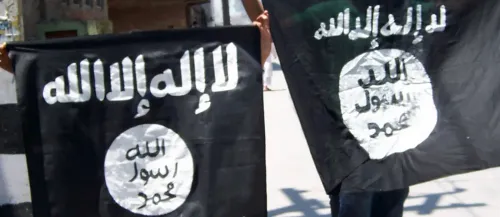
These groups, created on platforms such as WhatsApp and Telegram, pose a significant security challenge for agencies as they circulate Islamic State-related materials.
The challenge in Tamil Nadu lies in the fact that their methods largely focus on propaganda and radicalization. Currently, none of the individuals involved seem to be planning any significant ground actions. The Islamic State aims to cultivate an army capable of disseminating propaganda to a broader audience.
An official from the Intelligence Bureau stated that this trend is particularly alarming as the focus shifts to altering societal mindsets rather than conducting physical attacks.
In southern India, the Islamic State has found considerable traction in Tamil Nadu. Notably, the first recorded case of an individual leaving the country to join the Islamic State originated from Tamil Nadu. Haja Fakhruddin, from Cuddalore, initially traveled to Singapore for work before moving on to Syria. The Islamic State established its initial radicalization camp in Cuddalore, which became a focal point for the indoctrination of individuals like Fakhruddin.
In 2014, a photograph of several youths from Tamil Nadu wearing Islamic State t-shirts went viral. Since then, radicalization modules have proliferated throughout the state, fueled in part by Wahhabi influences, as officials note.
A letter addressed to then Chief Minister J. Jayalalithaa in 2015 raised alarms about the infiltration of Wahhabis and Deobandis into the management of Chennai mosques. The letter, written by the Ahlus Sunnath Wal Jamaths Federation, warned that these individuals were threatening the unity between Hindus and Muslims, a concern given that the Islamic State adheres to Wahhabism.
Officials assert that the Islamic State aims to influence the minds of the populace. The approach being adopted in Tamil Nadu is perilous and, if left unchecked, could expand rapidly. The intention is to radicalize and brainwash millions of youths in the region. An increasing number of individuals adhering to the Islamic State ideology poses a significant threat to the state's security, according to the official.
A recent chargesheet from the National Investigation Agency revealed that A. Alfasith from Tamil Nadu's Mayiladuthurai was involved in radicalizing youth. The accused had set up multiple WhatsApp and Telegram groups, including 'Islamic State' and 'Black Flag Soldiers', to promote illegal activities that jeopardize national unity, security, and communal harmony, as noted by the NIA.
The Islamic State has employed similar strategies in Kerala, achieving considerable success. The radicalization was so profound that 21 individuals, including women, departed from the state to join the Islamic State in Afghanistan.
While the organization seeks to spread its radical ideology throughout society, it is also on the lookout for recruits for its Islamic State Khorasan Province (ISKP). Engaged in conflict with both the Afghan Taliban and Tehreek-e-Taliban Pakistan (TTP), as influenced by the ISI, it requires additional personnel and is keen on enlisting youth from Tamil Nadu and Kerala, as indicated by another official.
Authorities emphasize the necessity for ongoing surveillance in Tamil Nadu, as these factions are likely to intensify their radicalization efforts. Agencies are also considering involving community elders during de-radicalization initiatives.
Point of View
It is imperative to recognize the growing influence of radical ideologies in Tamil Nadu. The trend of indoctrination via social media platforms poses a significant challenge to national security. It is crucial to address and counteract these narratives to preserve communal harmony and ensure the safety of all citizens.
NationPress
1 Oct 2026
Frequently Asked Questions
What is the Islamic State's strategy in Tamil Nadu?
The Islamic State is focusing on indoctrination and radicalization rather than direct attacks, using social media platforms to spread their ideology.
How are radicalization efforts being conducted?
Radicalization is primarily carried out through WhatsApp and Telegram groups, where individuals are exposed to propaganda and extremist narratives.
What is the impact of Wahhabi influence in Tamil Nadu?
The Wahhabi influence contributes significantly to the spread of Islamic State ideologies, creating a favorable environment for radicalization.
What actions are authorities taking to combat this issue?
Authorities are closely monitoring radicalization efforts and involving community elders in de-radicalization initiatives to counteract extremist narratives.
Why is this situation concerning for national security?
The proliferation of radical ideologies poses a direct threat to communal harmony and overall security in the state, necessitating urgent attention.