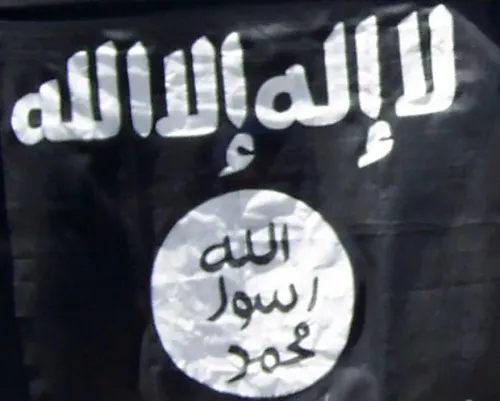
Is the Islamic State Brainwashing South India before Bloodshed?
Synopsis
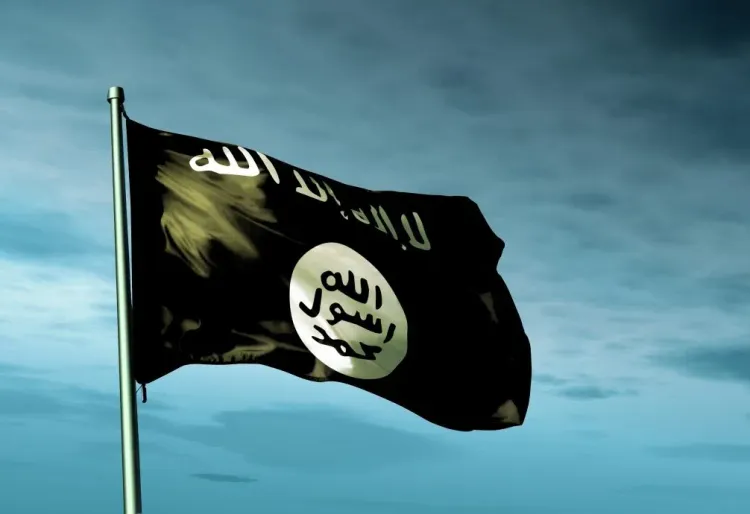
The Islamic State's recruitment efforts in South India are alarming, as they target individuals post-PFI ban. This article explores the dangerous tactics employed by the organization to spread its ideology and recruit new members, posing a serious threat to societal safety.
Key Takeaways
The Islamic State is intensifying recruitment efforts in South India.
Deceptive tactics such as free Arabic classes are being used.
Security agencies are actively monitoring madrasas linked to recruitment.
Radicalization is a growing concern among youth.
Community awareness and intervention are crucial in combating this threat.
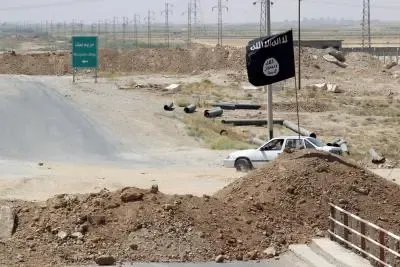
New Delhi, Dec 13 (NationPress) The Islamic State is actively recruiting and plans to establish its largest network in South India. Officials indicate that the organization's focus has shifted to this region, which has shown significant growth in recruitment compared to other parts of India.
Security forces have been thwarting multiple attempts, but they have discovered that the situation is far more extensive than initially believed.
Previously, the Islamic State had a low profile in South India before the Popular Front of India (PFI) faced a ban. Currently, they are searching for individuals, particularly those who have gone underground following the PFI's prohibition.
Agencies such as the National Investigating Agency (NIA) are monitoring several madrasas, particularly in Kerala and Tamil Nadu, which have transformed into recruitment hubs for the Islamic State. Many madrasas, disguised as Arabic schools, have emerged, but they are essentially functioning as propaganda and recruitment centers for the Islamic State, as per NIA findings.
An NIA official stated that their objective is to dismantle the networks linked to the Islamic State operating in this region.
The magnitude of the recruitment efforts and the Islamic State's agenda became evident when the agency filed charges against Jameel Basha, a student from the Madras Arabic College.
Through this investigation, the agency identified others involved in the same network, including Mohammed Hussain, Irshath, Ahmed Ali, Aboo Hanifa, Jawahar Sadiq, Sheik Dawood, and Raja Mohammed.
The Islamic State has attracted many followers in South India and is eager to take advantage of this trend. The PFI's long-standing promotion of the Islamic State's agenda significantly aided the organization in recruiting 21 individuals from Kerala, who later joined the Islamic State Khorasan Province in Afghanistan.
An official from the Intelligence Bureau remarked that the current initiative by the Islamic State is to disseminate its ideology as widely as possible. With a growing number of recruits, the organization has decided to intensify this campaign. They have been establishing camps disguised as free Arabic classes, drawing in many unsuspecting individuals. The appeal of free classes further aids the Islamic State's cause.
Another official elaborated that once these schools are initiated and students enroll, they receive genuine Arabic instruction. Initially, the classes are conducted in-person. After a few months, the sessions shift online, which is when radicalization begins. Students are then engaged in Zoom calls, WhatsApp chats, and Telegram discussions, where clerics from both India and abroad propagate the radical Islamic State narrative.
Some students remain, while others leave. Those who continue are eventually indoctrinated and recruited into the Islamic State. Classes may include live online interactions or pre-recorded sessions, as reported by officials.
After indoctrination and recruitment, these youths are encouraged to seek out additional recruits. They meet friends and emphasize the significance of attending such classes.
This alarming trend in South India is currently focused not on executing attacks but rather on recruiting as many individuals as possible and subjecting them to brainwashing.
An official emphasized the gravity of this development, noting that such tactics can shift the mindset of numerous individuals in society. Once they amass a substantial following, these individuals may carry out attacks, often as lone wolves, according to intelligence agencies.
Experts caution that this strategy—focused on brainwashing rather than preparing for attacks—is deeply troubling, as it can alter the perceptions of a significant portion of society. These individuals can become highly dangerous, promoting radicalization, imposing Sharia law, advising women on attire, and dictating acceptable media consumption. Agencies must act swiftly to dismantle this network, which exhibits signs of rapid proliferation, experts warn.
Point of View
It is vital to remain proactive in addressing the growing influence of extremist groups in South India. The alarming recruitment tactics employed by the Islamic State highlight an urgent need for community awareness and intervention to ensure societal safety.
NationPress
20 Sept 2026
Frequently Asked Questions
What tactics is the Islamic State using in South India?
The Islamic State is using deceptive tactics such as offering free Arabic classes to recruit individuals and promote radical ideologies.
How are security agencies responding to this threat?
Security agencies, including the NIA and Intelligence Bureau, are closely monitoring madrasas and other institutions to dismantle Islamic State-linked networks.
What is the significance of the PFI's ban?
The ban on the PFI has led to the Islamic State targeting individuals who have gone underground, making recruitment efforts easier for them.
What are the potential implications of this trend?
The recruitment and indoctrination of individuals can lead to increased radicalization and the possibility of lone wolf attacks in society.
How can communities combat this threat?
Communities can combat this threat by increasing awareness, promoting education, and encouraging individuals to report suspicious activities.