Is Karnataka's Hate Speech Regulation Bill Part of the Government's Agenda?
Click to start listening
Synopsis
Karnataka's Deputy Chief Minister D.K. Shivakumar announced the introduction of the Hate Speech Regulation Bill as a strategic move to uphold peace in the state. This controversial legislation has stirred political debates and objections, particularly from BJP members. Discover the implications of this bill and its potential impact on communal harmony.
Key Takeaways
- Karnataka Deputy CM D.K. Shivakumar supports the Hate Speech Regulation Bill.
- The bill aims to curb hate speech and hate crimes.
- Penalties include up to three years imprisonment and fines.
- The legislation has sparked political controversy.
- It addresses communal violence issues in Karnataka.
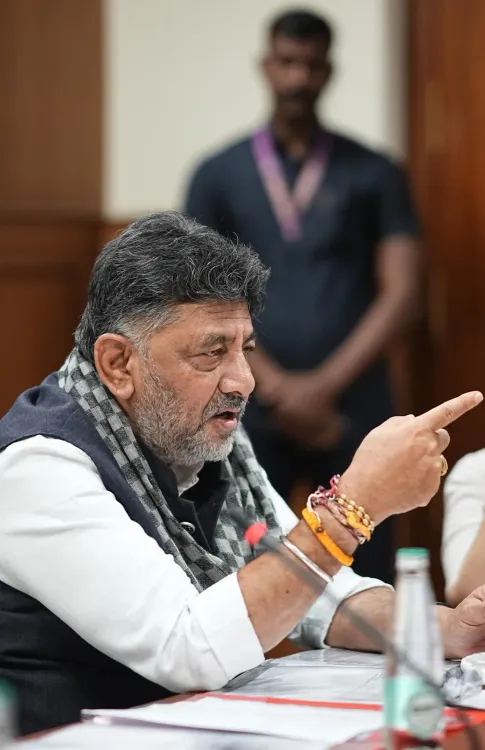
Belagavi (Karnataka), Dec 10 (NationPress) Karnataka's Deputy Chief Minister D.K. Shivakumar stated on Wednesday that the introduction of the Hate Speech Regulation Bill in the Assembly aligns with "our government’s agenda" to maintain peace and law and order in our state.
Shivakumar emphasized that hate speech is unacceptable during a press interaction here.
The Congress administration in Karnataka presented the Karnataka Hate Speech and Hate Crimes (Prevention and Control) Bill, 2025, in the Assembly earlier on Wednesday.
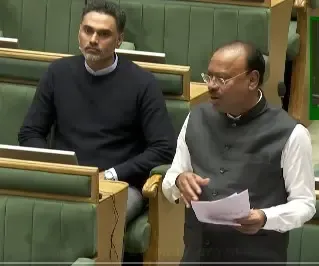
State Law and Parliamentary Affairs Minister H.K. Patil introduced the Bill despite robust opposition from BJP leaders.
BJP members expressed their dissent against the Bill's introduction as Speaker U.T. Khader brought the bill's introduction to a vote, asserting that they would never support it. Some members argued that the Bill was entirely unnecessary and requested that it be discussed in the Assembly.
In the wake of the uproar, the Speaker temporarily adjourned the house.
The Karnataka cabinet, led by Chief Minister Siddaramaiah, recently approved the bill aimed at combatting hate speech and related offences during its meeting.
This legislation aims to prevent hate speech and hate crimes while minimizing their effects on individuals, communities, and the broader society.
BJP leaders have already asserted that the legislation targets individuals linked with Hindutva groups, particularly in the communally sensitive coastal area.
The Congress-led government proposed this Bill following a series of communal revenge killings in the Mangaluru district of coastal Karnataka that garnered national attention. Additionally, the government has established a special force to mitigate violence in the area, and separate teams are monitoring social media activities that might incite unrest.
The proposed law includes penalties of up to three years in prison, a fine of up to Rs 5,000, or both for those convicted of hate crimes. It specifies that such offences will be non-cognisable and non-bailable and will be adjudicated by a first-class magistrate.
According to the draft, a person will be deemed to have committed a hate crime if they inflict harm, incite harm, or disseminate hatred against anyone based on religion, race, caste, community, sex, gender, sexual orientation, birthplace, residence, language, disability, or tribe. Any act motivated by prejudice or intolerance towards these identities falls under this offence.
Previously, while addressing reporters, Home Minister G. Parameshwara clarified that the legislation is not intended to target the Bharatiya Janata Party or its leaders.
Meanwhile, when asked about Congress MLC B.K. Hariprasad’s remark suggesting that the Bajrang Dal should be banned due to its alleged involvement in the murder of a Congress worker in Chikkamagaluru, Shivakumar responded: "I am aware that our worker has been killed. I haven’t seen B.K. Hariprasad’s statement. I will discuss it once I have more details."
When questioned about whether corruption among officials was a topic of discussion in the CLP meeting, he replied: “None of the issues reported in newspapers or TV channels were discussed.”
In response to the opposition’s claims that the government mishandled farmers’ issues, he stated: "These are political accusations. Our government has addressed farmers' concerns. We have made significant decisions regarding the procurement of sugarcane and maize. The BJP has failed in this area."
Point of View
It is essential to recognize the significance of the Hate Speech Regulation Bill introduced in Karnataka. This legislation aims to address urgent societal issues while navigating political tensions. While the intent is to ensure peace and safety within communities, it raises questions about freedom of expression and the potential for misuse. Our goal is to inform the public and encourage thoughtful dialogue around such critical issues.
NationPress
12/12/2025
Frequently Asked Questions
What is the Hate Speech Regulation Bill?
The Hate Speech Regulation Bill is legislation proposed by the Karnataka government aimed at preventing hate speech and hate crimes, imposing penalties for violations.
What are the penalties for hate crimes under the bill?
The bill proposes imprisonment of up to three years, a fine of up to Rs 5,000, or both, for those convicted of hate crimes.
Why is the bill controversial?
The bill has faced opposition from BJP leaders who argue that it targets specific groups and is unnecessary, leading to heated discussions in the Assembly.
What prompted the introduction of this bill?
The bill was introduced following a series of communal violence incidents in Karnataka, particularly after communal revenge killings in Mangaluru district.
How does the bill define hate crimes?
Hate crimes are defined as acts that cause harm or incite hatred against individuals based on various identities such as religion, race, caste, and more.