Jaipur doctor couple duped of ₹76 lakh in digital arrest scam; 4th accused held in Thane
Synopsis
An elderly doctor couple in Jaipur was systematically terrified into handing over ₹76 lakh by fraudsters posing as NIA and ATS officials — a textbook digital arrest scam. With the fourth accused now nabbed in Thane and ₹50 lakh traced to a Pune firm's ICICI account, the case lays bare how organised cyber networks use shell companies and rapid RTGS chains to launder fraud proceeds before investigators can act.
Key Takeaways
Kiran Laxman Tamhane of Pune was arrested in Thane as the fourth accused in the Jaipur digital arrest scam .
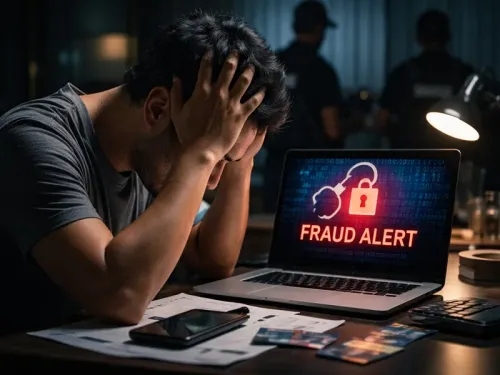
An elderly doctor couple was allegedly defrauded of ₹76 lakh after fraudsters posed as ATS and NIA officials and threatened them with arrest over fabricated terror and money-laundering charges.
Approximately ₹50 lakh of the defrauded amount was traced to an ICICI Bank account of Tamhane's company, K.T.
Multi Service Private Limited .
The money was transferred via RTGS across at least three accounts within two days to obscure the trail.
The first three accused were arrested from Delhi and Uttar Pradesh ; the probe is continuing to identify further members of the network.
The campaign is being run on the directions of Director General of Police Rajiv Kumar Sharma as part of a broader anti-cybercrime drive.
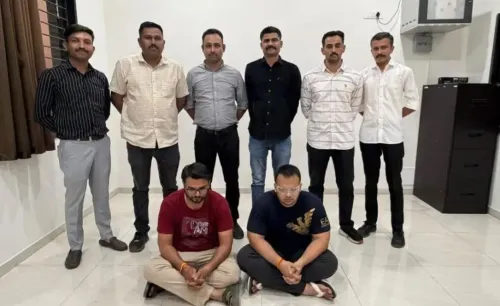
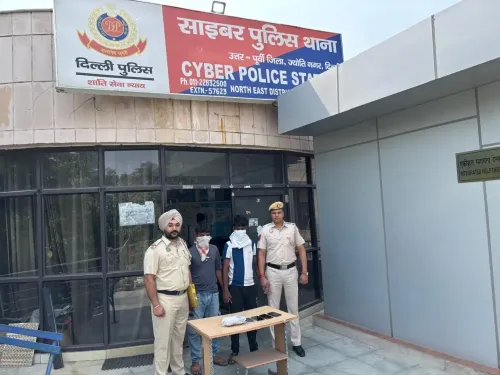
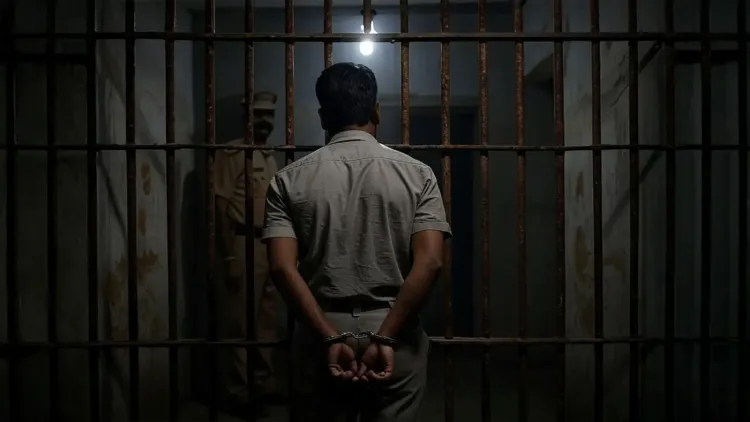
Jaipur's Central Cyber Police Station has arrested Kiran Laxman Tamhane, a resident of Pune, Maharashtra, in connection with a digital arrest fraud in which an elderly doctor couple from Jaipur was allegedly swindled of ₹76 lakh. Tamhane was apprehended in Thane and brought to Jaipur on a transit warrant, becoming the fourth person arrested in the case.
How the Scam Unfolded
According to police, the complainant and his wife received a WhatsApp call from fraudsters who impersonated officials of the police, Anti-Terrorism Squad (ATS), and National Investigation Agency (NIA). The callers claimed the couple's Aadhaar cards had been misused in connection with terrorist activities and large-scale financial crimes, threatening them with arrest and warning that other family members could also face serious legal consequences.
The fraudsters subsequently sent a forged NIA notice via WhatsApp and assured the couple that a no-objection certificate or security clearance would follow. They maintained continuous psychological pressure through WhatsApp voice and video calls, effectively keeping the victims under surveillance. The couple was forced to share details of their fixed deposits and photographs of official documents.
Under sustained coercion, the elderly couple liquidated their savings and transferred a total of ₹76 lakh across multiple bank accounts.
The Money Trail
Cyber police traced approximately ₹50 lakh of the defrauded amount to an ICICI Bank account belonging to Tamhane's company, K.T. Multi Service Private Limited. Investigators found that money deposited into one bank account was transferred via RTGS to a second account on the same day and subsequently moved to a third account the following day — establishing a chain of rapid financial transactions designed to layer and obscure the proceeds.
During interrogation, Tamhane reportedly disclosed that the company's ICICI Bank account had been used in the cyber fraud. Police allege that he, in collusion with Jigna Prathamesh Sawant (Rathod) and Anurag Maheshwari, facilitated the use of the company's bank account details, net banking credentials — including user ID and password — along with chequebooks and mobile SIM cards. Tamhane claimed he shared the banking details after being offered investment opportunities in real estate and promised a commission on profits.
Investigation and Arrests
Cyber police analysed WhatsApp numbers, Call Detail Records (CDR), Customer Application Forms (CAF), IP Detail Records (IPDR), and bank account statements linked to suspicious mobile numbers. Based on this technical and banking evidence, investigators initially arrested three persons from Delhi and Uttar Pradesh. A further probe then led the team to Tamhane as the first identified beneficiary to receive a portion of the defrauded funds.
The operation was conducted under the guidance of Deputy Inspector General of Police (Cyber Crime) Shantanu Kumar Singh and Station House Officer and Deputy Superintendent of Police Gajendra Sharma. The team included Inspector Ajay Kumar and Constables Bhivaram and Sachchidanand. The broader campaign against digital arrest frauds was initiated on the directions of Director General of Police Rajiv Kumar Sharma, with details shared by Additional Director General of Police (Cyber Crime) Vijay Kumar Singh.
The Wider Context
Digital arrest scams — where fraudsters impersonate law enforcement agencies and psychologically confine victims using continuous video surveillance — have surged across India in recent years, with elderly and professional victims particularly targeted. Notably, this is not an isolated incident in Rajasthan; the state's cyber police have flagged a growing pattern of organised networks using layered bank accounts and shell company credentials to launder proceeds swiftly. The use of forged NIA and ATS notices adds a layer of institutional mimicry that experts say makes these frauds especially difficult for victims to detect in the moment.
What Investigators Are Doing Next
Cyber police say their technical investigation is ongoing, continuing to examine WhatsApp records, CDRs, CAF details, IPDR data, and banking transactions to establish the complete money trail. Investigators are also focused on identifying the subsequent destinations of the defrauded money and any further individuals involved in the network. More arrests are expected as the probe deepens.
Point of View
The ATS, the threat of family arrest — against victims who have no ready framework to verify a fake notice sent over WhatsApp. The swift RTGS layering across three accounts within 48 hours shows a sophisticated laundering architecture, not opportunistic crime. What deserves scrutiny is the ease with which a registered private limited company's full banking credentials — net banking IDs, chequebooks, SIM cards — were reportedly handed over for a real-estate commission promise, suggesting a parallel market in corporate account access that investigators have only begun to map.
NationPress
30 Oct 2026
Frequently Asked Questions
What is a digital arrest scam?
A digital arrest scam is a form of cyber fraud in which criminals impersonate law enforcement or government agencies — such as the police, CBI, NIA or ATS — and convince victims they are under virtual house arrest via continuous video or voice calls. Victims are psychologically pressured into transferring money to avoid fabricated criminal charges, as happened with the Jaipur doctor couple who lost ₹76 lakh.
Who was arrested in the Jaipur digital arrest scam case?
Four people have been arrested so far. The latest is Kiran Laxman Tamhane , a Pune resident arrested in Thane and brought to Jaipur on a transit warrant. Three earlier accused were arrested from Delhi and Uttar Pradesh. Police allege Tamhane facilitated the fraud through his company's ICICI Bank account.
How did the fraudsters trap the doctor couple?
The fraudsters called the couple on WhatsApp, impersonated police, ATS and NIA officials, and claimed their Aadhaar cards had been linked to terrorist activities and money laundering. They sent a forged NIA notice, maintained continuous video call surveillance, and pressured the couple to liquidate fixed deposits and transfer ₹76 lakh across multiple accounts.
How was the money traced by cyber police?
Investigators analysed WhatsApp numbers, Call Detail Records, Customer Application Forms, IP Detail Records and bank account statements. They found that ₹50 lakh was deposited into Tamhane's company account and transferred via RTGS to a second account the same day, then to a third account the next day. This chain of rapid transactions helped establish the money trail.
Is the investigation still ongoing?
Yes. Rajasthan's Central Cyber Police Station is continuing to examine WhatsApp records, CDRs, IPDR data and banking transactions to map the complete money trail and identify additional members of the fraud network. Further arrests are expected.