Is Jaish-e-Mohammad Setting Up Proxy Modules for Low-Visibility Terror in India?
Synopsis
A recent investigation has unveiled Jaish-e-Mohammad's strategy to establish proxy modules in India, enabling low-visibility terror operations. As these self-sustained groups emerge, the implications for national security are significant, prompting a reassessment of counter-terrorism strategies.
Key Takeaways
Jaish-e-Mohammad is establishing proxy modules in India.
These modules operate with limited oversight from the main terror group.
Pakistan benefits from plausible deniability through self-sustained operations.
The Modi government has redefined its stance on terrorism.
Educated individuals are increasingly involved in financing terror activities.
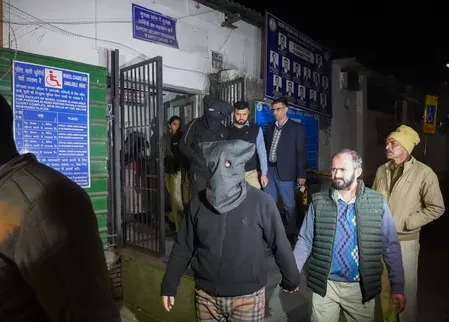
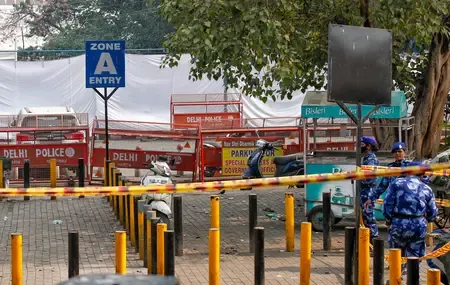
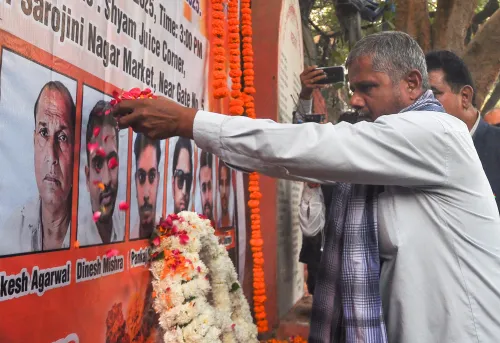
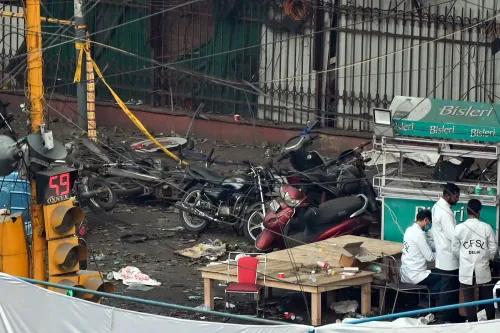
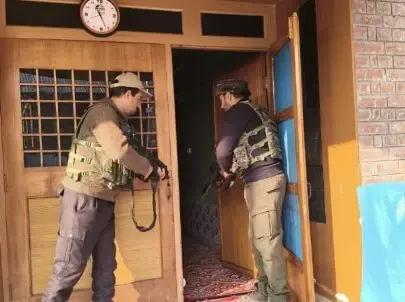
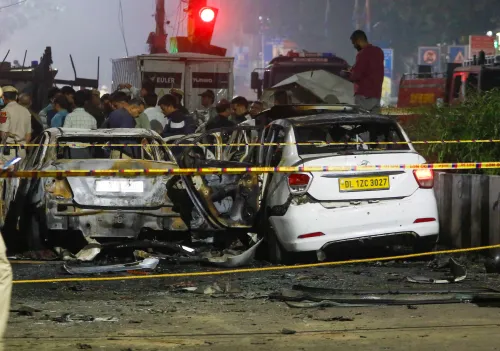
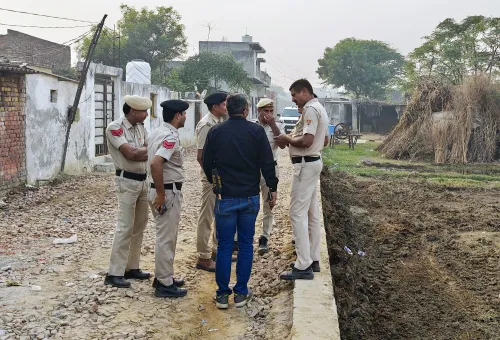
New Delhi, Dec 12 (NationPress) Investigations into the Faridabad module and the ensuing Delhi Red Fort explosions have revealed that Jaish-e-Mohammad is actively establishing proxy modules within India.
An official from the Intelligence Bureau explained that a proxy module is characterized by minimal direct involvement from the terror group’s leadership, allowing the module members to conduct most operations independently, only seeking assistance from the group in critical situations, such as receiving expert guidance.
The operational dynamics of the Faridabad module suggest it functioned largely autonomously. This included establishing the module, radicalizing individuals, recruiting members, securing ammunition, and managing logistics.
Officials noted that the Faridabad module could be classified as either Jaish-e-Mohammad-inspired or linked to the organization.
The involvement of Jaish was primarily in the module's creation and operation. They provided the essential propaganda materials while maintaining limited contact with the module members.
When it came to assisting with explosives preparation, the Jaish did step in to provide a handler, as stated by another official.
According to the Intelligence Bureau, this trend is expected to escalate in the future. Had the module not been apprehended, the ISI anticipated a rapid proliferation of similar modules across the nation.
This strategy aligns with Pakistan's interests, as it eliminates the need for direct funding. These self-sustained proxy modules would manage their financing while allowing Pakistan to maintain plausible deniability, ensuring ongoing acts of terror in India.
This situation is also influenced by a shift in the Modi government's approach to terrorism.
Following the Pahalgam attack, the Modi administration revised its doctrine, reclassifying acts of terror as declarations of war rather than mere cross-border strikes.
As these modules proliferate, Pakistan can categorize terror events as internal incidents.
Another official indicated plans to replicate similar modules in Jammu and Kashmir. Given the heightened difficulty in infiltrations, the ISI has struggled to rejuvenate homegrown terror factions like Hizbul Mujahideen. They had hoped that individuals like Mufti Irfan Ahmed would radicalize youth and integrate them into fully autonomous modules devoid of direct ties to groups like Lashkar-e-Taiba or Jaish.
Security agencies have assessed and recognized this emerging threat. The issue primarily stems from widespread propaganda, warranting immediate attention as it fuels the rise of these inspired proxy modules.
Officials note this aligns closely with the model adopted by the Islamic State, which relied heavily on propaganda to inspire lone-wolf terrorists. The operational aspects were primarily executed by individuals motivated by such propaganda, a scenario mirrored by the recently dismantled Faridabad module.
While this module was neutralized and significant terror events were averted, groups like Jaish are expected to persist in their agenda, cultivating more self-inspired proxy modules across various regions.
Another concerning factor related to these modules includes the involvement of educated, resourceful individuals capable of utilizing the dark web to fund terror operations and acquire necessary resources.
Point of View
It's imperative to recognize the evolving landscape of terrorism in India. With the emergence of proxy modules, the nation faces a formidable challenge. Our response must be swift and strategic, prioritizing the safety and security of all citizens.
NationPress
2 Oct 2026
Frequently Asked Questions
What are proxy modules in terrorism?
Proxy modules are terror cells that operate with minimal direct control from larger organizations, allowing them to conduct attacks independently while still receiving occasional support.
How does the ISI benefit from proxy modules?
The ISI can maintain plausible deniability regarding terrorist activities while allowing these self-sustained modules to manage their own funding and operations.
What impact does the Modi government's doctrine on terror have?
The Modi government's approach reclassifies terrorist acts as declarations of war, complicating Pakistan's narrative and strategy in its dealings with terror groups.
Why are educated individuals involved in these modules?
Educated individuals possess the skills to navigate the dark web and secure resources for terrorist activities, making them valuable assets for proxy modules.
What should be the focus of national security agencies?
National security agencies should prioritize countering propaganda and addressing the radicalization trends that fuel the emergence of proxy modules.