Jaishankar Meets Bahrain Deputy PM, Reviews Bilateral Ties
Synopsis
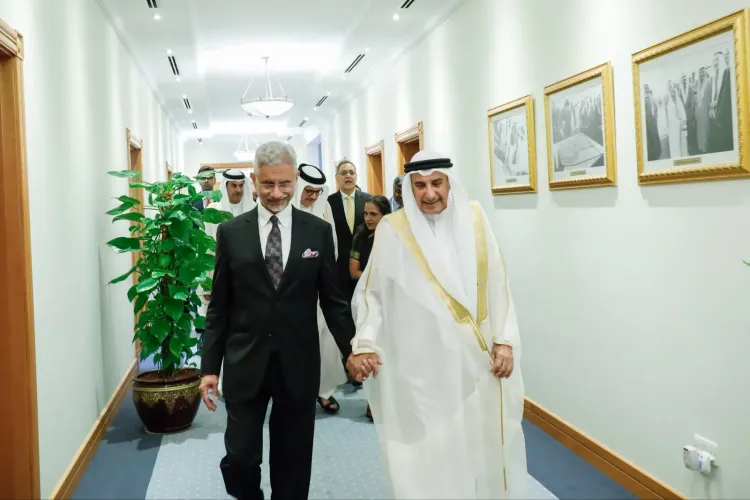
External Affairs Minister Dr. S. Jaishankar met Bahrain Deputy Prime Minister Khalid bin Abdulla Al Khalifa on 7 July 2026, discussing bilateral cooperation across sectors and the regional situation — underscoring India's deepening Gulf diplomacy.
Key Takeaways
Jaishankar met Bahrain Deputy PM H.E.
Khalid bin Abdulla Al Khalifa on 7 July 2026 .
Talks focused on advancing bilateral cooperation 'across various sectors' and the regional situation.
India and Bahrain have maintained formal diplomatic relations since 1973 .
The India-Bahrain Joint Committee on Economic and Commercial Cooperation has been a key institutional channel since the 1990s .
Bahrain hosts a large Indian expatriate community and is a strategically significant GCC partner for New Delhi.
Follow-up steps may include reconvening the Joint Committee or progress on sector-specific agreements.
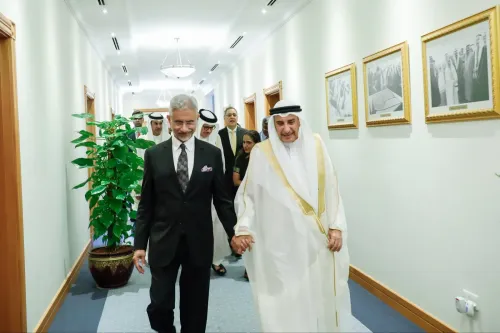
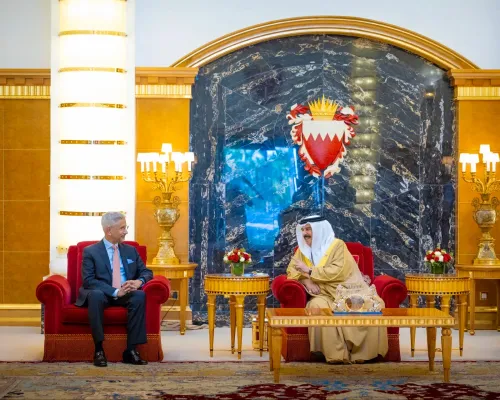
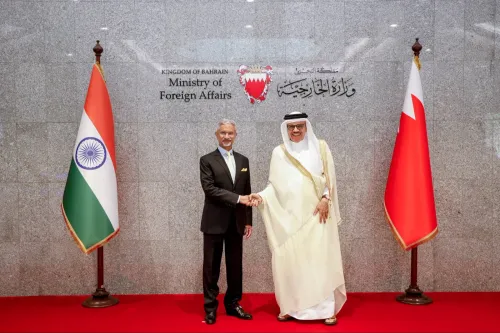
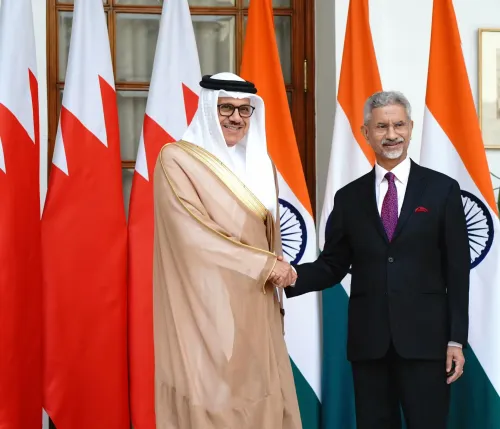
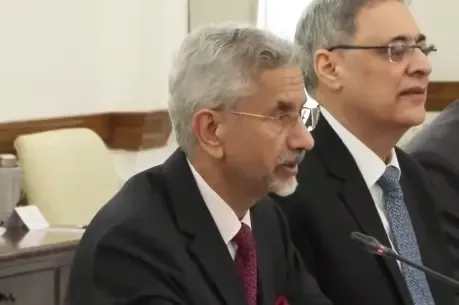
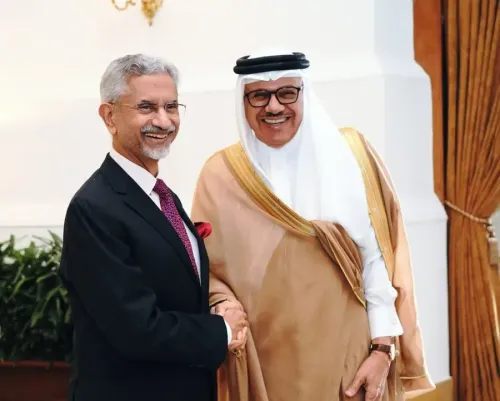
Union External Affairs Minister Dr. S. Jaishankar met Deputy Prime Minister of Bahrain H.E. Khalid bin Abdulla Al Khalifa on the morning of Tuesday, 7 July 2026, discussing ways to advance bilateral cooperation across multiple sectors and exchanging views on the prevailing regional situation.
Context
Jaishankar confirmed the meeting on X, writing: 'A pleasure to meet Deputy Prime Minister of Bahrain H.E Khalid bin Abdulla Al Khalifa this morning. Discussed taking forward our bilateral cooperation across various sectors. Also exchanged views on the regional situation.' The post was accompanied by the flags of India and Bahrain, signalling the diplomatic character of the engagement.
Khalid bin Abdulla Al Khalifa handles key government affairs and external engagements for the Kingdom of Bahrain, a Gulf Cooperation Council member state that also hosts the United States Fifth Fleet and is home to one of the largest Indian expatriate communities in the Gulf.
Policy Backdrop
India and Bahrain established formal diplomatic relations in 1973, and the two countries set up a Joint Committee on Economic and Commercial Cooperation in the 1990s to expand trade and investment linkages. Over subsequent decades, the relationship has grown to encompass energy security, labour mobility, and maritime cooperation.
The meeting fits into a broader pattern of New Delhi's sustained high-level engagement with GCC states. India has deepened ties across the Gulf through a steady cadence of ministerial visits, with discussions typically spanning trade facilitation, diaspora welfare, and defence cooperation. Bahrain, despite its relatively small size, occupies a strategically significant position in this framework given its proximity to key maritime corridors and its role as a regional financial hub.
Stakeholders and Impact
The most directly affected constituency is the large Indian expatriate population in Bahrain, which contributes significantly to bilateral remittance flows and people-to-people ties. Any progress on labour mobility frameworks or welfare agreements would have a tangible impact on this community.
Trade officials and businesses on both sides also stand to benefit from follow-through on economic cooperation discussions. The 'various sectors' referenced by Jaishankar could encompass energy, financial services, logistics, and technology — all areas where Indian and Bahraini interests have historically aligned.
What's Next
Observers will watch for any announcement of a reconvened session of the India-Bahrain Joint Committee on Economic and Commercial Cooperation, or the signing of sector-specific memoranda of understanding in the weeks ahead. The reference to the 'regional situation' suggests both sides also used the meeting to coordinate positions on the broader West Asia landscape, including tensions that periodically affect Gulf stability.
As Dr. Jaishankar continues to build India's Gulf diplomatic architecture, the Bahrain engagement reinforces New Delhi's commitment to maintaining active, senior-level dialogue with every GCC partner — a posture that has become a defining feature of India's foreign policy in the region.
Point of View
Which sits at the intersection of Gulf security and Indian Ocean trade routes, the engagement carries both economic and strategic weight. This visit reinforces the pattern of India treating each GCC state as a distinct bilateral priority rather than managing the region as a bloc.
NationPress
6 Oct 2026
Frequently Asked Questions
Why did Jaishankar meet Bahrain's Deputy PM in July 2026?
Jaishankar met Deputy Prime Minister Khalid bin Abdulla Al Khalifa to discuss advancing India-Bahrain bilateral cooperation across various sectors and to exchange views on the regional situation in West Asia.
What are India-Bahrain diplomatic relations based on?
India and Bahrain established formal diplomatic relations in 1973. The two countries later set up a Joint Committee on Economic and Commercial Cooperation in the 1990s to deepen trade and investment ties.
How many Indians live in Bahrain?
Bahrain hosts one of the largest Indian expatriate communities in the Gulf, making diaspora welfare and labour mobility a key pillar of the bilateral relationship.
What is the significance of Bahrain for India's Gulf policy?
Bahrain is a GCC member state strategically located near key maritime corridors and serves as a regional financial hub. It also hosts the US Fifth Fleet, giving it added geopolitical significance in India's Gulf engagement.
What could be the next steps after this India-Bahrain meeting?
Possible follow-up steps include reconvening the India-Bahrain Joint Committee on Economic and Commercial Cooperation or finalising sector-specific memoranda of understanding in areas such as energy, logistics, or financial services.