CM Bhupendra Patel visits Gujarat-MP border village, hails welfare reach
Synopsis
Gujarat Chief Minister Bhupendra Patel completed a three-day grassroots visit to Khangela village on the Gujarat-Madhya Pradesh border, engaging rural women and farmers, promoting natural farming, and reviewing welfare scheme delivery in one of the state's most remote corners.
Key Takeaways
CM Bhupendra Patel spent three days at Khangela village , a remote settlement on the Gujarat-Madhya Pradesh border .
He said schemes including PM Awas Yojana , Ujjwala Yojana , Jal Jeevan Mission , roads, higher education, and healthcare have reached the village.
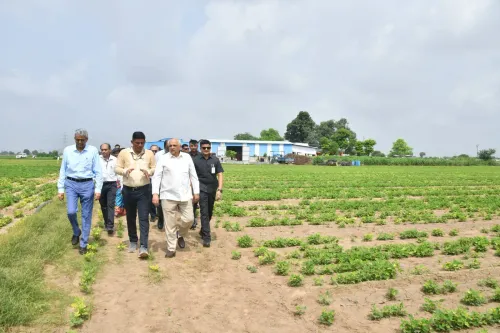
Patel urged all farmers to shift from chemical farming to natural farming for soil health, human health, and future generations.
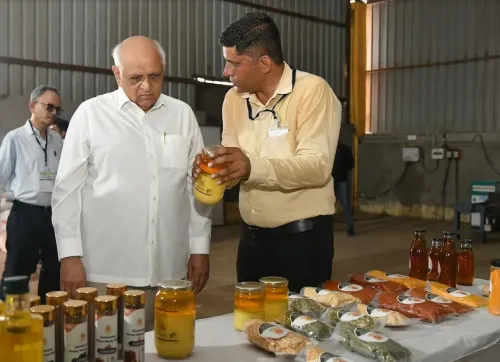
He visited Sakhi Mandal exhibition stalls and praised the self-reliance of rural women in border villages.
The visit concluded with a call to build 'Viksit Gujarat' and 'Viksit Bharat' through collective effort under the 'Sabka Saath' mantra.
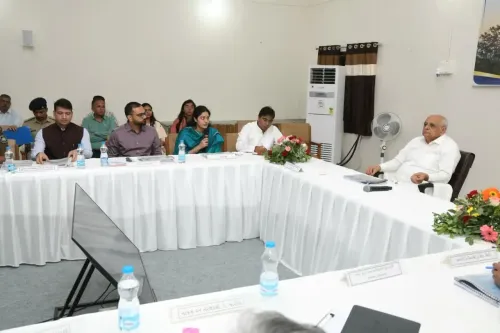
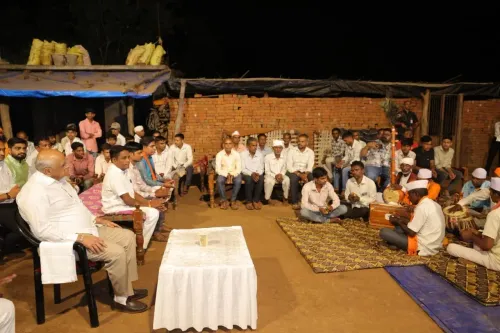
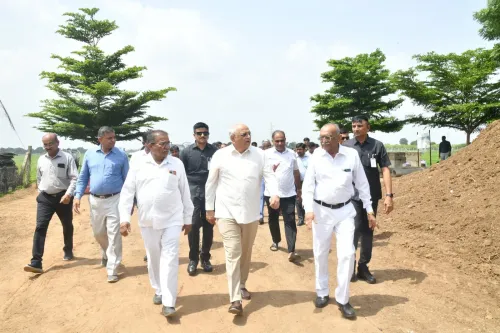
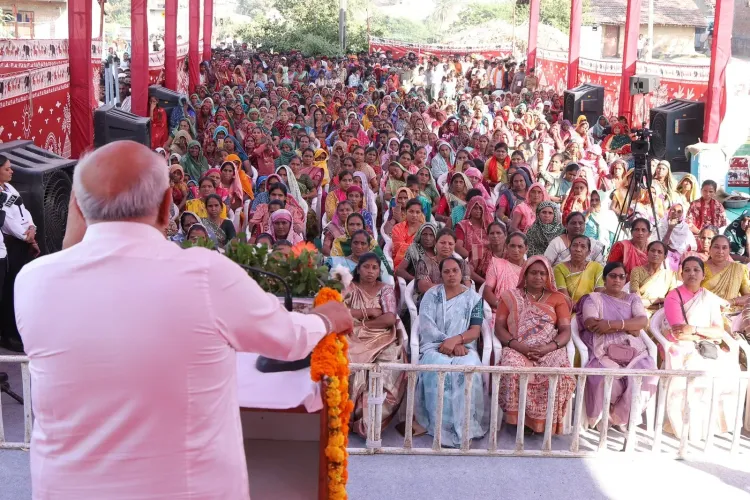
At the remote border village of Khangela, sitting at the edge where Gujarat meets Madhya Pradesh, Gujarat Chief Minister Bhupendra Patel wrapped up a three-day grassroots outreach on Friday, 20 November 2026 — sitting with rural women, listening to farmers, and walking through self-help group stalls in one of the state's most far-flung corners.
Three days in the hills — what the CM heard at Khangela
Patel described the visit as a direct, personal encounter with village life — 'ત્રણ દિવસના ગ્રામ્ય જીવનના આ પ્રત્યક્ષ અનુભવો' ('the direct experiences of three days of rural life') — that left him, in his words, with 'new knowledge, new energy, and an extraordinary sense of satisfaction.' The village sits in a mountainous, historically underserved zone where state machinery has traditionally struggled to reach.
The Chief Minister said schemes including PM Awas Yojana, Pradhan Mantri Ujjwala Yojana, Jal Jeevan Mission (Nal Se Jal), rural road construction, higher education access, and healthcare have now penetrated even these mountain-edge settlements. He credited Prime Minister Narendra Modi's leadership for the last-mile delivery push, saying it had raised both public trust in government and expectations for continued development.
The natural farming appeal — and why it matters here
One of the sharper moments of the outreach came when Patel urged every farmer and villager to abandon chemical farming and shift to natural farming — framing it as essential for soil health, human health, and securing 'a safe future for the next generation.' The appeal carries particular weight in a border agricultural belt where soil degradation from chemical inputs is a documented concern across both states.
Natural farming has been a recurring policy theme in Gujarat, aligned with a broader national push under the Natural Farming Mission. For remote, rain-dependent farmers in areas like Khangela, the pitch is both environmental and economic — lower input costs alongside a sustainable yield model.
Sakhi Mandals in the spotlight at the border
Patel also toured exhibition stalls run by local Sakhi Mandals — Gujarat's network of women's self-help groups — describing the encounter as deeply moving. He said hearing the stories of these women's self-reliance ('આત્મનિર્ભરતાની ગાથા' — 'the saga of self-reliance') gave him 'immense joy.' Sakhi Mandals have served as the operational backbone for rural women's economic participation across Gujarat's villages, linking micro-credit, skill training, and market access.
The Chief Minister closed the visit with a call to all — farmers, women, and village communities alike — to join in building a 'Viksit Gujarat' and a 'Viksit Bharat' (Developed Gujarat, Developed India), invoking the BJP's guiding mantra: 'Sabka Saath, Sabka Vikas, Sabka Vishwas aur Sabka Prayas' — 'Together with all, development for all, trust of all, effort of all.'
Three days in a mountain border village. The question now is whether the trust built on the ground translates into measurable adoption of natural farming — and whether Khangela's Sakhi Mandals find the market linkages to match their energy.
Point of View
The visit weaves together women's economic empowerment and agricultural sustainability into a single political optic ahead of any state electoral cycle. The 'Viksit Gujarat, Viksit Bharat' framing deliberately tethers state governance to the Prime Minister's national development vision, reinforcing BJP's vertical brand loyalty. Whether this translates into measurable policy outcomes — natural farming adoption rates, Sakhi Mandal market linkages — will determine if the visit is a one-time symbolic gesture or the start of a targeted border-district development push.
NationPress
20 Nov 2026
Frequently Asked Questions
Where is Khangela village and why did CM Bhupendra Patel visit?
Khangela is a remote village on the Gujarat-Madhya Pradesh border. CM Bhupendra Patel visited for a three-day grassroots outreach on 20 November 2026 to engage with rural communities, review welfare scheme delivery, and promote natural farming.
What government schemes did CM Patel highlight during the Khangela visit?
CM Patel highlighted PM Awas Yojana (rural housing), Pradhan Mantri Ujjwala Yojana (LPG connections), Jal Jeevan Mission (Nal Se Jal tap water), rural roads, higher education access, and healthcare as schemes now reaching border villages.
What is natural farming and why did CM Patel promote it at Khangela?
Natural farming replaces chemical inputs with organic and traditional practices to protect soil and human health. CM Patel urged farmers at Khangela to adopt it to preserve land quality and secure a safe future for the next generation.
What are Sakhi Mandals and what role do they play in Gujarat villages?
Sakhi Mandals are women's self-help groups active in Gujarat villages. They support rural women through micro-credit, skill training, and market access; CM Patel visited their exhibition stalls at Khangela and praised their self-reliance.
What is 'Viksit Gujarat' and 'Viksit Bharat'?
'Viksit Gujarat' means Developed Gujarat and 'Viksit Bharat' means Developed India — both are BJP-aligned development goals that CM Patel invoked during his Khangela visit, calling on citizens to participate in building them together.