CM Mohan Yadav echoes Modi on ancient text digitisation push
Synopsis
MP Chief Minister Dr. Mohan Yadav amplified PM Narendra Modi's call for international collaboration on digitising and translating ancient manuscripts, spotlighting India's two-decade-old preservation mission and its growing role as a soft-power instrument in bilateral diplomacy.
Key Takeaways
Mohan Yadav on 20 November 2026 shared PM Modi's statement urging international cooperation on ancient manuscript digitisation and translation.
PM Modi's statement noted that museums, libraries, and archives of partner countries hold 'thousands of years of priceless heritage.' The National Mission for Manuscripts , launched in 2003 , remains India's primary institutional framework for identifying and digitising ancient texts.
India has previously signed bilateral cultural agreements with France and the UK covering manuscript sharing and digitisation.
Successive Indian governments have used manuscript preservation as a soft-power and cultural-diplomacy tool during high-level bilateral engagements.
Any follow-up MoUs or joint cultural summit declarations on digitisation would mark a concrete next step in this initiative.
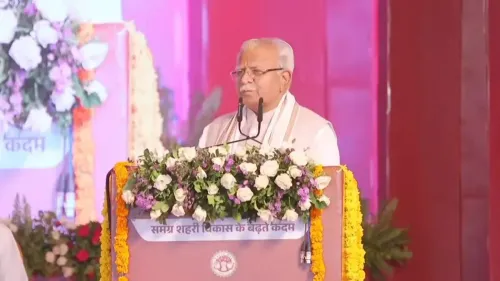
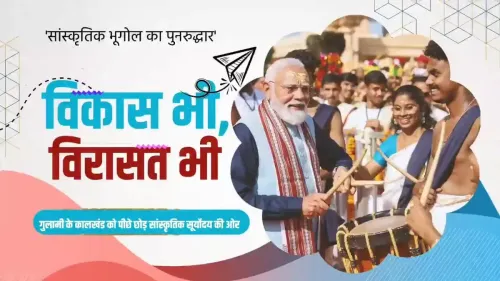
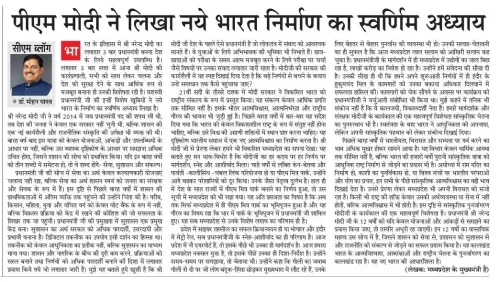
Thousands of years of irreplaceable human knowledge sit in museums, libraries, and archives — and Madhya Pradesh Chief Minister Dr. Mohan Yadav wants the world to know India is ready to unlock it together. On Friday, 20 November 2026, Dr. Yadav shared a statement attributed to Prime Minister Narendra Modi calling for international cooperation on the digitisation and translation of ancient manuscripts.
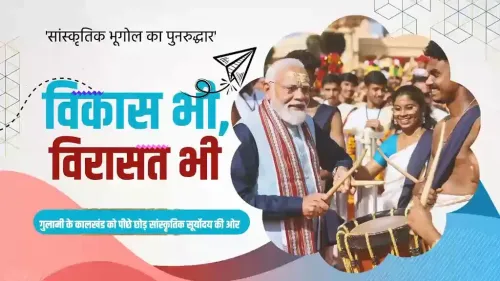
Quoting the Prime Minister directly, the post reads: 'Hamare deshon ke Museums, Libraries aur Archives mein hazaron varshon ki anmol virasat surakshit hai. Hum prachin granthon ke Digitisation aur Translation mein sahyog kar sakte hain.' — 'The priceless heritage of thousands of years is preserved in our countries' museums, libraries and archives. We can collaborate on the digitisation and translation of ancient texts.'
India's long march to preserve its manuscript heritage
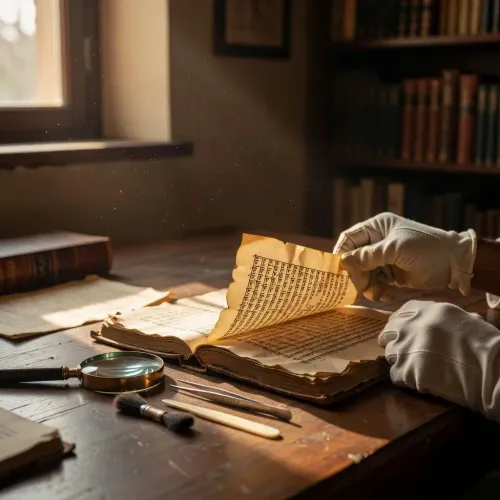
This is not a new ambition — it has institutional roots going back over two decades. The National Mission for Manuscripts, launched in 2003, was designed precisely to survey, document, and digitise India's vast trove of ancient texts scattered across the country's libraries, temples, and private collections. India is estimated to hold one of the largest collections of manuscripts in the world, spanning Sanskrit, Pali, Prakrit, Arabic, Persian, and dozens of regional languages.
Through the 2010s, India formalised bilateral cultural agreements with countries including France and the United Kingdom that included provisions for manuscript sharing and collaborative digitisation. The logic was straightforward: many Indian texts migrated to European collections during the colonial era, and cooperation could reunite scholars with material held thousands of miles from its origin.
Cultural diplomacy as a foreign-policy signal
When a prime minister invokes shared civilisational heritage in the context of 'our countries,' it rarely stays in the realm of archiving. Successive Indian governments have used manuscript digitisation as a soft-power instrument — a way of signalling deep, pre-political bonds with partner nations that transcend trade or security ties.
Under Prime Minister Modi, references to ancient knowledge systems — from Ayurveda to mathematics — have featured prominently in bilateral summit communiqués and cultural exchanges. Dr. Yadav's decision to amplify this message positions Madhya Pradesh, home to storied heritage sites and manuscript repositories, as a willing participant in that broader diplomatic project.
What follows next — a joint statement, a memorandum of understanding, or a formal cultural summit — will determine whether this shared vision translates into actionable archival cooperation between nations. The manuscripts are ready. The question is whether the agreements will be too.
Point of View
Especially on heritage. The move also keeps the National Mission for Manuscripts — an underfunded but symbolically powerful programme — in the public eye. Whether this rhetoric hardens into funded, time-bound international archiving agreements is the real test of its seriousness.
NationPress
20 Nov 2026
Frequently Asked Questions
What did PM Modi say about ancient manuscript digitisation?
PM Modi stated that museums, libraries, and archives of partner countries hold thousands of years of priceless heritage, and that India can collaborate on the digitisation and translation of ancient texts. The statement was shared by MP CM Dr. Mohan Yadav on 20 November 2026 .
What is the National Mission for Manuscripts?
The National Mission for Manuscripts is a central government initiative launched in 2003 to survey, document, and digitise India's vast collection of ancient texts held in libraries, archives, temples, and private collections across the country.
Which countries has India partnered with for manuscript digitisation?
During the 2010s , India formalised bilateral cultural agreements with France and the United Kingdom that included provisions for manuscript sharing and collaborative digitisation efforts.
Why is manuscript digitisation important for India's foreign policy?
Digitisation of ancient manuscripts serves as a soft-power instrument for India, allowing it to signal deep civilisational bonds with partner nations. It has become a recurring feature of high-level bilateral summits under successive Indian governments, particularly under PM Modi .
Why did CM Mohan Yadav share PM Modi's statement on manuscripts?
CM Dr. Mohan Yadav echoed PM Modi's call to align Madhya Pradesh's public messaging with the Centre's cultural diplomacy agenda, reinforcing the BJP's broader narrative around India's ancient heritage and its role in international partnerships.