Jaishankar meets Côte d'Ivoire Defence Minister, eyes deeper ties
Synopsis
External Affairs Minister Dr. S. Jaishankar met Côte d'Ivoire's Vice Prime Minister and Defence Minister Téné Birahima Ouattara on 8 October 2026, discussing anti-terrorism cooperation, training, capacity building, and institutional exchanges as India deepens its defence footprint in Francophone West Africa.
Key Takeaways
Jaishankar met Téné Birahima Ouattara , Vice PM and Defence Minister of Côte d'Ivoire , on 8 October 2026 .
Talks covered defence cooperation, anti-terrorism, training, capacity building, and enhanced institutional exchanges .
TBO is the brother of Ivorian President Alassane Ouattara , making him a direct conduit to the presidency.
Côte d'Ivoire is the largest economy in Francophone West Africa and faces spillover threats from jihadist violence in Mali and Burkina Faso.
India's defence engagement in Africa is expanding through training agreements, exports, and the India-Africa Defence Dialogue .
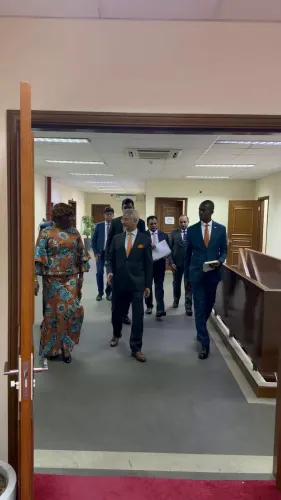
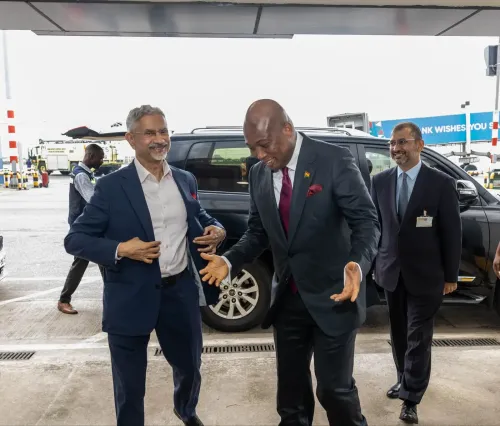
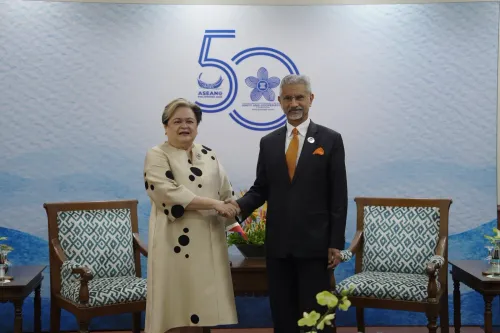
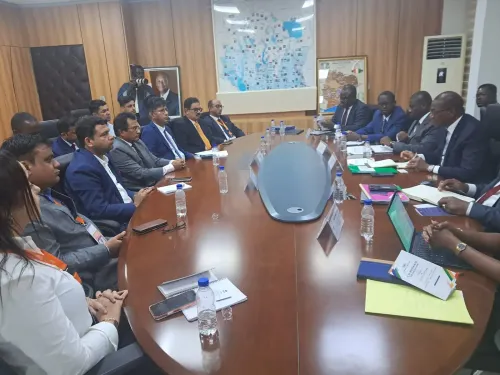
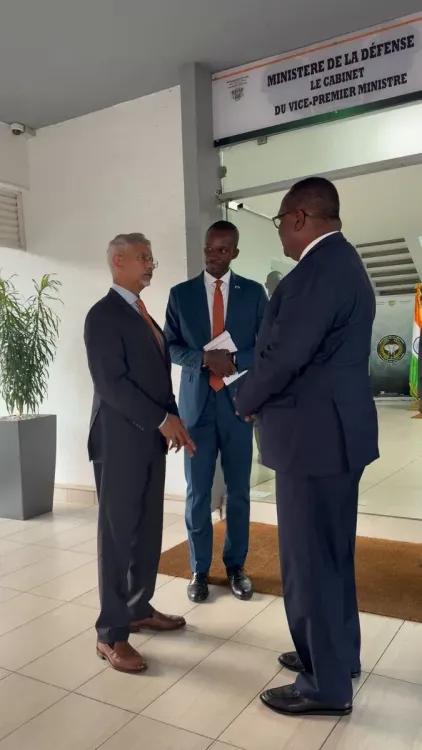
Defence cooperation between India and Côte d'Ivoire moved into sharper focus on Thursday, 8 October 2026, when Union External Affairs Minister Dr. S. Jaishankar held talks with Téné Birahima Ouattara, Vice Prime Minister and Defence Minister of Côte d'Ivoire — a meeting that placed counter-terrorism and capacity building squarely at the centre of the bilateral agenda.
What the two ministers actually discussed
Jaishankar described the conversation as wide-ranging, anchored in what he called a partnership 'underpinned by mutual trust, capacity building and shared interests.' The specific areas on the table: defence cooperation, anti-terrorism, training, and enhanced institutional exchanges between the two countries. That last element — structured, recurring institutional contact — is often the scaffolding on which durable defence relationships are built, and its explicit mention signals intent beyond a one-off courtesy call.
Ouattara's standing in Abidjan — and why it matters
Téné Birahima Ouattara, widely known by his initials TBO, is the younger brother of Ivorian President Alassane Ouattara, one of West Africa's most influential heads of state. Holding both the Vice Prime Ministership and the Defence portfolio simultaneously, TBO sits at the nerve centre of Côte d'Ivoire's security architecture. A meeting at this level is not a protocol visit — it carries the weight of the presidency itself.
India's growing footprint in Francophone West Africa
Côte d'Ivoire is the largest economy in Francophone West Africa and a regional anchor for the Economic Community of West African States (ECOWAS). The Sahel's deepening security crisis — with jihadist violence spreading southward from Mali and Burkina Faso — has pushed Abidjan to diversify its defence partnerships beyond traditional French ties. For India, which has steadily expanded its Africa outreach through the India-Africa Defence Dialogue and bilateral training agreements across the continent, Côte d'Ivoire represents a strategically significant node. Indian defence exports, including patrol vessels and small arms, have found growing markets in African littoral and Sahelian states, and training slots at Indian military institutions remain in high demand across the region.
The anti-terrorism thread running through the meeting
The explicit mention of anti-terrorism cooperation is the headline beneath the headline. Côte d'Ivoire shares borders with Mali and Burkina Faso, both of which have seen dramatic deterioration in security conditions and the exit of French and Western forces in recent years. Abidjan has been on high alert for spillover. India, which has itself faced decades of cross-border terrorism and developed both doctrine and hardware around counter-insurgency, has a credible offer to make — one that carries none of the colonial-era baggage that now complicates Western engagement in the sub-region. That convergence of need and credibility is what gives this meeting its real weight.
The flags appended to Jaishankar's post — 🇮🇳 🇨🇮 — are a small but deliberate signal of parity and partnership. The harder work of translating today's conversation into signed agreements, training calendars, and institutional frameworks now begins.
Point of View
Not a transactional vendor. Côte d'Ivoire's strategic weight within ECOWAS makes it a particularly valuable entry point. For India's broader Global South diplomacy, converting this meeting into concrete deliverables — training slots, joint exercises, or a bilateral defence MoU — would be the metric that matters.
NationPress
8 Oct 2026
Frequently Asked Questions
Who is Téné Birahima Ouattara?
Téné Birahima Ouattara, known as TBO, is the Vice Prime Minister and Defence Minister of Côte d'Ivoire and the younger brother of President Alassane Ouattara, giving him significant political authority over the country's security policy.
What did Jaishankar and Côte d'Ivoire discuss?
The two ministers discussed the growing India-Côte d'Ivoire defence partnership, focusing on anti-terrorism cooperation, military training, capacity building, and enhanced institutional exchanges between the two countries.
Why is India deepening ties with Côte d'Ivoire?
Côte d'Ivoire is the largest economy in Francophone West Africa and faces security threats from Sahelian jihadist violence. India sees it as a key partner to expand its defence and strategic footprint in the region at a time when Western influence is waning.
What is India's defence role in Africa?
India has been expanding defence cooperation across Africa through training programmes at Indian military academies, defence exports such as patrol vessels and small arms, and multilateral platforms like the India-Africa Defence Dialogue.
Where did the Jaishankar-Ouattara meeting take place?
The exact venue was not specified in the post, but the meeting took place on 8 October 2026, on the sidelines of diplomatic engagements involving the Indian External Affairs Minister.