Jaishankar Meets Panama FM in New Delhi, Eyes Latin America Gateway
Synopsis
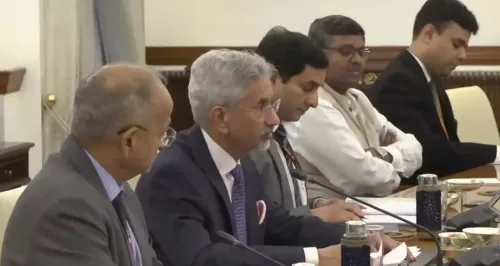
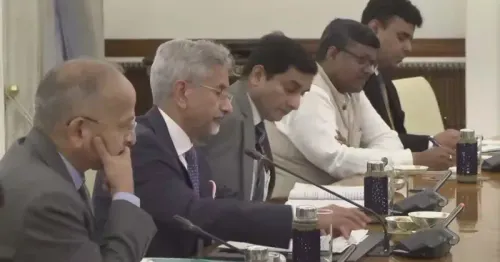
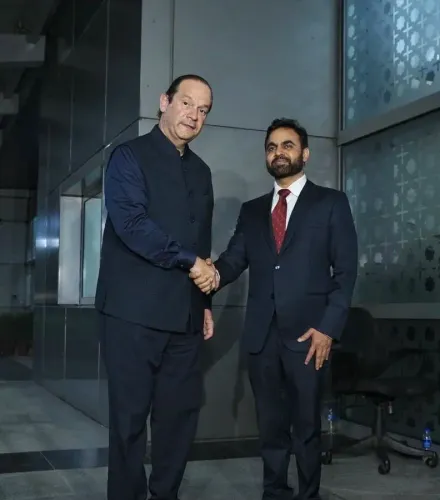
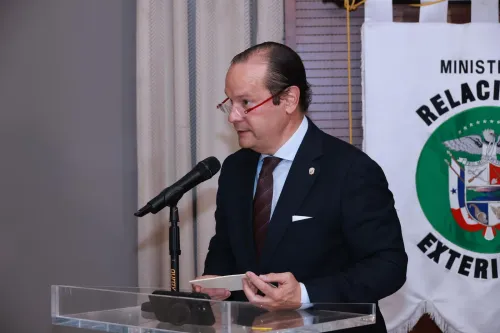
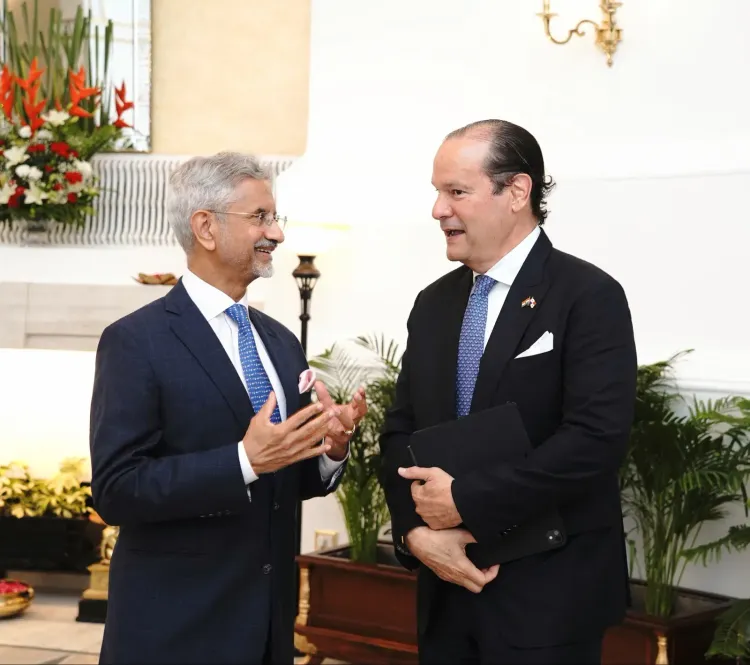
External Affairs Minister Dr. S. Jaishankar held talks with Panama's Foreign Minister in New Delhi on July 20, 2026, covering trade, maritime, digital, and multilateral cooperation, as India deepens its engagement with Latin America and the Caribbean through Panama as a strategic gateway.
Key Takeaways
Jaishankar met Panama's Foreign Minister in New Delhi on July 20, 2026 .
Discussions spanned trade, business, development, maritime, health, agriculture, education, and digital cooperation .
Panama was identified as a gateway to the Latin America and Caribbean region for India's expanding outreach.
Both sides discussed engagement at multilateral forums , indicating coordination beyond bilateral ties.
India-Panama diplomatic relations date to 1962 , forming the bedrock of current engagement.
The meeting fits India's broader Global South strategy of diversifying trade partners and building new coalitions.
Union External Affairs Minister Dr. S. Jaishankar met the Foreign Minister of Panama in New Delhi on Monday, July 20, 2026, holding wide-ranging talks aimed at deepening bilateral engagement across trade, maritime, agriculture, health, education, and digital cooperation. The meeting signals India's continued push to expand its diplomatic and economic footprint in Latin America and the Caribbean, with Panama identified as a strategic gateway to the region.
Context
Dr. Jaishankar described the discussions as covering a broad agenda, noting on X (formerly Twitter) that he 'underscored the importance of deepening India's engagement with Panama as a gateway to Latin America and Caribbean region.' The two ministers also discussed coordination at multilateral forums, signalling alignment beyond the bilateral dimension. India and Panama have maintained diplomatic relations since 1962, providing a long-standing foundation for the current outreach.
Policy Backdrop
Panama occupies a singular position in global logistics as the nation controlling the Panama Canal, one of the world's most critical maritime chokepoints. For India, which has been actively cultivating ties with the Global South, Panama represents not merely a bilateral partner but a corridor to the broader Latin American and Caribbean market. India's engagement with the region has grown steadily in recent years, with New Delhi seeking to diversify trade partnerships, secure access to new markets, and build coalitions on global governance issues.
The sectors discussed — trade, business, development, maritime, health, agriculture, education, and digital cooperation — reflect the multi-domain template India has applied to its partnerships across the developing world. The inclusion of digital cooperation is particularly notable, as India has sought to export its digital public infrastructure model, including platforms such as UPI and Aadhaar-linked systems, to partner nations.
Stakeholders and Impact
Indian exporters, particularly in the pharmaceutical, agricultural, and technology sectors, stand to benefit from any framework that improves market access to Latin America and the Caribbean through Panama. The maritime industry is also a key stakeholder, given Panama's role as a transit hub for global shipping lanes that connect Asia to the Americas. Agri-business firms on both sides could find openings in the agriculture cooperation agenda flagged during the talks.
For Panama, deeper ties with India — one of the world's fastest-growing major economies — offer the prospect of expanded investment, technology transfer, and development cooperation. The multilateral dimension of the talks suggests both nations may also seek to coordinate positions at bodies such as the United Nations General Assembly or within India-CELAC consultative processes.
What's Next
The immediate focus will be on whether the discussions translate into concrete commercial or technical agreements in the sectors outlined. Observers will watch for any joint statements, memoranda of understanding, or follow-up ministerial visits that formalise the commitments made during the New Delhi meeting. Coordination at upcoming multilateral gatherings — particularly the UN General Assembly session later in 2026 — will serve as an early indicator of how substantive the diplomatic convergence between the two nations proves to be.
Point of View
' New Delhi is signalling that it views Central America not as a peripheral relationship but as a bridgehead to an entire region. This fits a consistent pattern under the current foreign policy establishment of using bilateral meetings to anchor multi-regional ambitions. The breadth of the agenda — from digital to maritime to agriculture — also reflects India's preference for comprehensive engagement frameworks that create multiple points of interdependence rather than single-issue transactional ties.
NationPress
21 Jul 2026
Frequently Asked Questions
Why did Jaishankar meet Panama's Foreign Minister?
Dr. S. Jaishankar met Panama's Foreign Minister in New Delhi on July 20, 2026, to deepen India-Panama ties across trade, maritime, health, agriculture, digital cooperation, and multilateral engagement, with Panama viewed as a gateway to Latin America and the Caribbean.
What is the significance of Panama for India's foreign policy?
Panama controls the Panama Canal, a critical global maritime chokepoint, making it a strategic logistics hub. India sees Panama as a gateway to the broader Latin American and Caribbean market, supporting its Global South engagement strategy.
When did India and Panama establish diplomatic relations?
India and Panama established diplomatic relations in 1962 , providing over six decades of diplomatic foundation for the current expansion of bilateral cooperation.
What sectors were discussed in the India-Panama talks?
The two sides discussed cooperation in trade, business, development, maritime affairs, health, agriculture, education, and digital domains, as well as coordination at multilateral forums.
What multilateral forums could India and Panama coordinate on?
The two nations discussed engagement at multilateral forums, with upcoming platforms such as the UN General Assembly and India-CELAC consultations likely venues for coordinated positions.