Jaishankar meets Rubio in Atlanta at G20 FMM
Synopsis
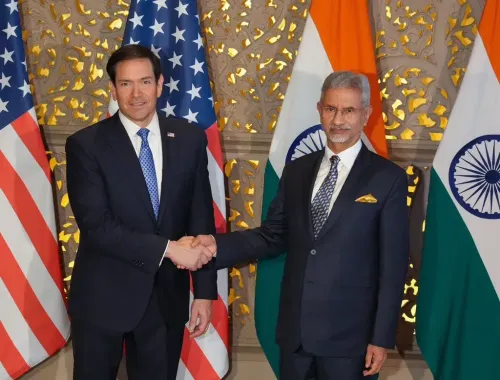
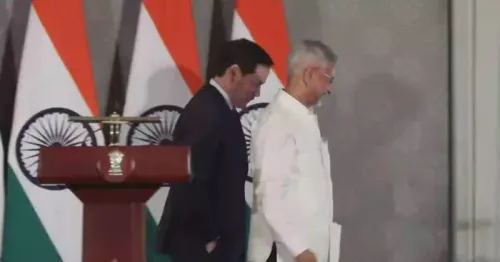
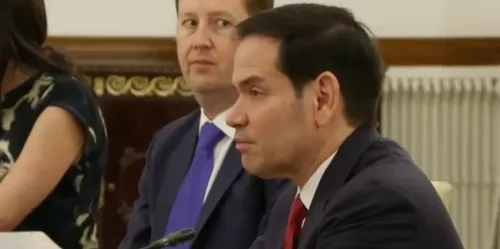
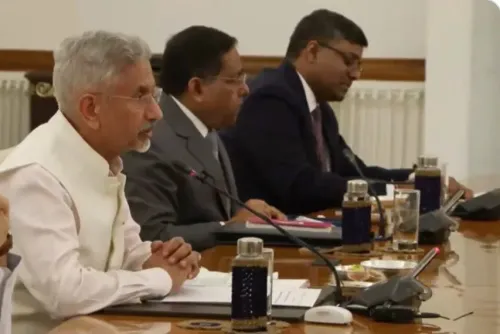
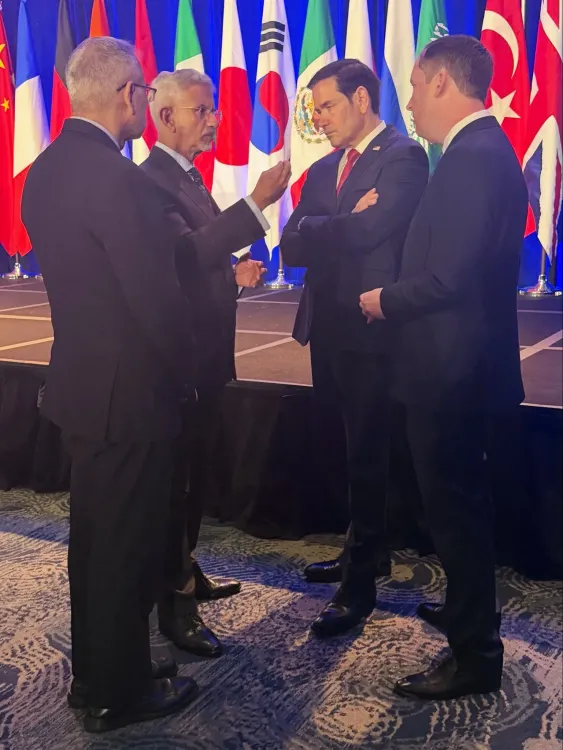
EAM Dr. S. Jaishankar met US Secretary of State Marco Rubio at the G20 Foreign Ministers' Meeting in Atlanta on 31 October 2026, reviewing the India-US bilateral partnership on the sidelines of the multilateral summit.
Key Takeaways
Jaishankar met US Secretary of State Marco Rubio at the G20 FMM in Atlanta on 31 October 2026 .
The two ministers conducted a bilateral stocktake of India-US cooperation covering defence, trade, technology and people-to-people ties.
The meeting occurred on the sidelines of the G20 Foreign Ministers' Meeting , a key diplomatic run-up to the G20 Leaders' Summit.
India hosted the G20 New Delhi Summit in 2023 , deepening its stake in the forum's agenda-setting process.
India-US ministerial-level engagement has been institutionalised through the 2+2 Dialogue since 2018 , making such stocktaking meetings a regular feature of the relationship.
Any joint readout or follow-up actions from the Atlanta FMM will be watched for signals on the upcoming G20 Leaders' Summit agenda.
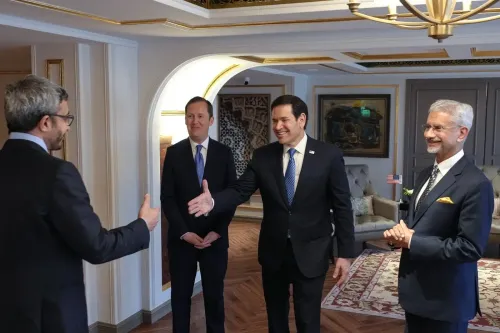
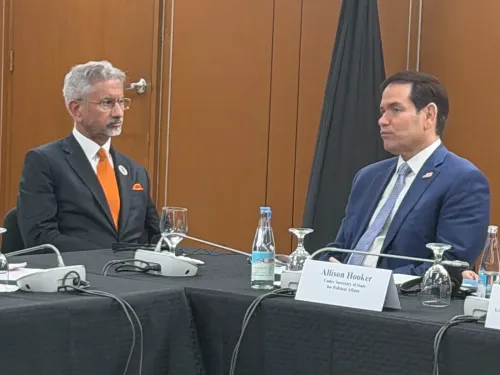
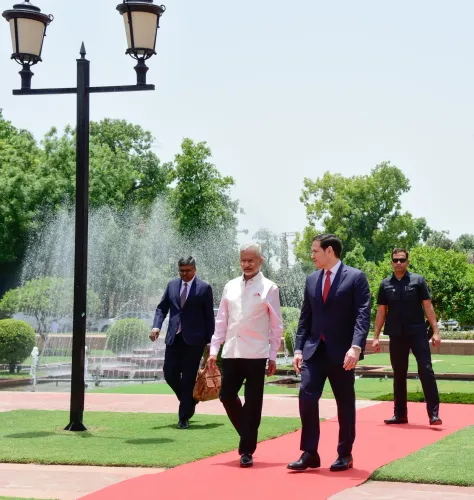
On the sidelines of the G20 Foreign Ministers' Meeting (FMM) in Atlanta, Union External Affairs Minister Dr. S. Jaishankar met US Secretary of State Marco Rubio on Saturday, 31 October 2026 — using the multilateral gathering to take a direct bilateral stock of the India-US relationship.
Atlanta as the bilateral arena
Jaishankar described the encounter warmly, thanking Rubio for his 'hospitality' in Atlanta — a signal that the exchange went beyond a brief pull-aside. The two ministers reviewed the current state of bilateral cooperation across the broad arc of the India-US partnership, which spans defence, trade, technology and people-to-people ties. G20 ministerial gatherings have long served as a convenient high-table venue for exactly this kind of structured bilateral conversation on the margins.
India-US stocktaking: a well-worn rhythm
The meeting fits a well-established diplomatic rhythm. Since the launch of the India-US 2+2 Ministerial Dialogue in 2018, the two sides have institutionalised regular foreign minister-level reviews of the bilateral agenda. India's high-profile hosting of the G20 New Delhi Summit in 2023 deepened its stake in the forum, and New Delhi has consistently used G20 margins — whether on home soil or abroad — to advance its most important bilateral priorities. A meeting with Washington's top diplomat is never incidental; it is always substantive.
What the Atlanta FMM signals
The G20's Foreign Ministers' Meeting is the diplomatic run-up to the Leaders' Summit, and the Atlanta edition — with the United States as host — puts Washington squarely at the agenda-setting seat. For India, that makes ministerial access to the US Secretary of State particularly valuable: it is a chance to align positions on global flashpoints before they are locked in at the leaders' level. Any joint readout or follow-up communiqué from the FMM will be closely watched for language on trade, technology transfer, and regional security.
India and the United States remain among the most consequential bilateral partnerships of the decade. When their top diplomats meet — even briefly, even on the margins — the agenda they carry into the room shapes outcomes well beyond the hall.
Point of View
Maximising diplomatic output without requiring a standalone summit. With the United States chairing the G20 process this cycle, a direct conversation between Jaishankar and Rubio before the Leaders' Summit carries real agenda-shaping weight. The meeting also underscores the resilience of the India-US partnership across administrations, a structural feature of the relationship that New Delhi has carefully cultivated. The focus on 'taking stock of bilateral cooperation' suggests both sides are actively managing a crowded agenda — trade friction, technology access and Indo-Pacific security among the likeliest items on the table.
NationPress
31 Oct 2026
Frequently Asked Questions
Why did Jaishankar meet Rubio in Atlanta?
EAM Dr. S. Jaishankar met US Secretary of State Marco Rubio on the sidelines of the G20 Foreign Ministers' Meeting in Atlanta on 31 October 2026 to review the state of India-US bilateral cooperation across defence, trade, technology and people-to-people ties.
What is the G20 Foreign Ministers' Meeting?
The G20 Foreign Ministers' Meeting (FMM) is a ministerial-level diplomatic gathering of the G20 group of major economies, held ahead of the G20 Leaders' Summit to align positions on global agenda items. In 2026, the United States is the G20 host and Atlanta is the venue.
What is the India-US 2+2 Dialogue?
The India-US 2+2 Ministerial Dialogue, launched in 2018, is a joint forum involving the Foreign Ministers and Defence Ministers of both countries. It institutionalises high-level bilateral stocktaking on strategic, defence and diplomatic matters.
What did Jaishankar say about meeting Rubio in Atlanta?
Jaishankar posted on X that he 'appreciated Secretary Rubio's hospitality in Atlanta for the G20 FMM' and that both ministers 'took stock of bilateral cooperation', accompanied by the Indian and US flags.
What is India's role in the G20?
India is a founding member of the G20 and hosted the G20 Leaders' Summit in New Delhi in 2023, significantly elevating its profile in the grouping. India actively uses G20 ministerial margins to advance bilateral and multilateral diplomatic priorities.