Jaishankar Meets UNRWA Chief on India's Aid Pledges
Synopsis
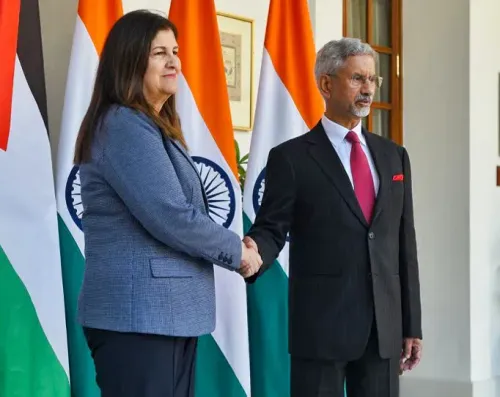
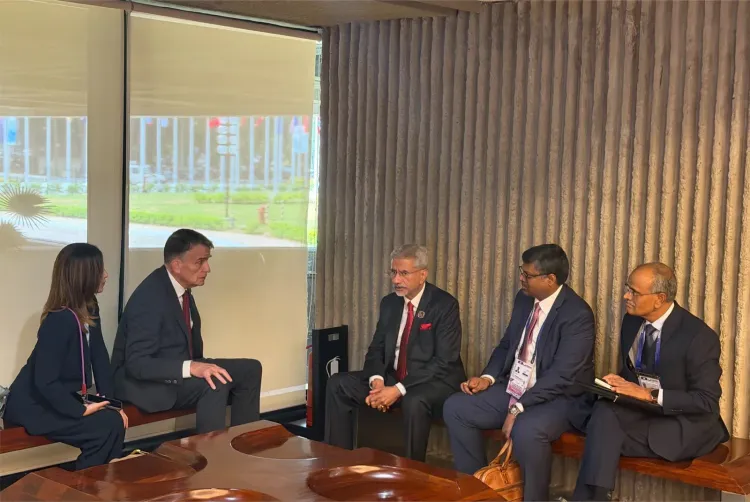
External Affairs Minister Dr. S. Jaishankar met UNRWA Commissioner-General ad interim Christian Saunders on 23 July 2026, reviewing India's pledges in health and capacity building made at a recent Donors Conference for Palestinian refugees.
Key Takeaways
Jaishankar met UNRWA Commissioner-General ad interim Christian Saunders on 23 July 2026 .
Discussions focused on India's contributions and commitments made at a recent international UNRWA Donors Conference .
India's pledges were specifically directed at health services and institutional capacity building for Palestinian refugees.
India has been a consistent, multi-decade contributor to UNRWA through multilateral channels.
The engagement reflects India's dual-track West Asia policy: supporting Palestinian humanitarian causes while deepening ties with Israel .
Implementation of India's pledged funds and follow-up at the UN General Assembly will be key milestones to watch.
Union External Affairs Minister Dr. S. Jaishankar met with UNRWA Commissioner-General ad interim Christian Saunders on Thursday, 23 July 2026, discussing India's financial contributions and commitments made at a recent international Donors Conference focused on health services and institutional capacity building for Palestinian refugees.
Context
The meeting centred on India's pledges at a recent UNRWA Donors Conference, where New Delhi committed support specifically in the areas of health and capacity building. Dr. Jaishankar confirmed the discussions in a post on X, stating he 'discussed India's contributions and commitments made at the recent Donors Conference in health and capacity building.'
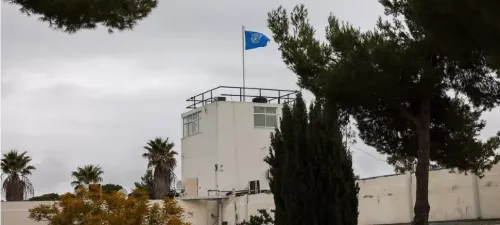
UNRWA — the United Nations Relief and Works Agency for Palestine Refugees in the Near East — was established in 1949 and is mandated to deliver education, health, and relief services to registered Palestinian refugees across the region. Christian Saunders currently serves as its ad interim Commissioner-General.
Policy Backdrop
India has maintained a consistent record of financial contributions to UNRWA over multiple decades, channelling support for Palestinian refugees through multilateral mechanisms. This approach has run in parallel with New Delhi's expanding security and technology ties with Israel, reflecting a carefully calibrated two-track West Asia policy.
The meeting comes against the backdrop of recurring UNRWA funding shortfalls that have periodically strained the agency's ability to deliver essential services. International donor conferences have become a key mechanism for mobilising pledges to bridge these gaps, particularly for health infrastructure and institutional strengthening.
Stakeholders and Impact
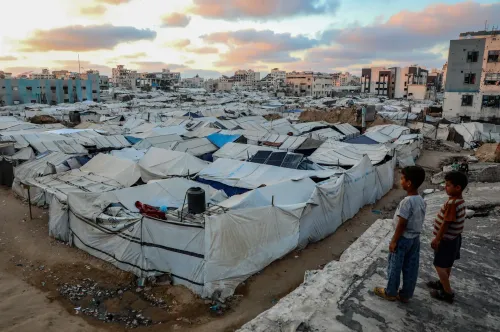
The primary beneficiaries of India's commitments are Palestinian refugees registered with UNRWA, who depend on the agency for healthcare, schooling, and humanitarian relief. Sustained donor engagement from countries like India is critical to maintaining service delivery continuity amid volatile funding cycles.
For New Delhi, the engagement reinforces its standing as a responsible multilateral actor in West Asia and underscores its humanitarian credentials at the United Nations. It also signals continuity in India's support for Palestinian causes through established international frameworks rather than bilateral political channels alone.
What's Next
Attention will now turn to how India's pledged funds in health and capacity building are operationalised through UNRWA's project pipeline. Implementation reports from the agency will be closely watched by both donor governments and humanitarian observers.
India's next statements at the UN General Assembly and any follow-up donor events are expected to elaborate on the scope and timelines of these commitments, providing greater clarity on the practical impact of New Delhi's engagement with the agency.
Point of View
Even as New Delhi deepens strategic ties with Israel. The emphasis on health and capacity building — rather than emergency relief — suggests India is positioning its contributions as development-oriented, adding a distinct character to its humanitarian diplomacy. This fits a broader pattern under the current government of using multilateral platforms to assert India's credentials as a responsible global actor. With UNRWA facing persistent funding pressure, India's sustained engagement carries weight beyond its financial quantum.
NationPress
21 Oct 2026
Frequently Asked Questions
Why did Jaishankar meet the UNRWA chief in July 2026?
Dr. Jaishankar met UNRWA Commissioner-General ad interim Christian Saunders to discuss India's contributions and commitments made at a recent Donors Conference focused on health services and capacity building for Palestinian refugees.
What is UNRWA and what does it do?
UNRWA — the United Nations Relief and Works Agency for Palestine Refugees in the Near East — was established in 1949 and provides education, healthcare, and relief services to registered Palestinian refugees across the region.
How much does India contribute to UNRWA?
India has made regular financial contributions to UNRWA over multiple decades; the specific amounts pledged at the recent Donors Conference referenced by Dr. Jaishankar have not been officially detailed in public statements.
What is India's policy on Palestine and Israel?
India maintains a dual-track West Asia policy: it supports Palestinian refugee causes through multilateral channels such as UNRWA while simultaneously expanding security and technology ties with Israel.
What will happen next with India's UNRWA pledges?
India's pledges in health and capacity building are expected to be operationalised through UNRWA's project pipeline, with implementation reports and further statements at the UN General Assembly likely to provide more detail.