Palestine envoy confident India will send medical aid 'very soon' as Gaza crisis deepens
Synopsis
Palestine's ambassador to India says New Delhi is 'very close' to dispatching major medical aid — and that a new Indian-built hospital in the West Bank is imminent. Set against a Gaza where only 17 of 36 hospitals function and 5,000 children reportedly lie under rubble, the stakes of India's next move could not be higher.
Key Takeaways
Palestinian Ambassador Abdullah Abu Shawesh expressed confidence on 25 June that India will send 'very significant' medical aid to Palestine 'very soon.' Only approximately 17 out of 36 hospitals in Gaza are partially operational, with the health system described as collapsed.
More than 1,000 Palestinians have been killed since the October ceasefire declaration, including 250 children .
According to Save the Children and a recent UN Human Rights Council report, approximately 5,000 children have been killed and another 5,000 remain under rubble.
Abu Shawesh cited an Al Jazeera investigation claiming 51 countries have continued supplying Israel with weapons during the conflict.
India is reportedly close to beginning construction of a hospital in the West Bank as part of bilateral development cooperation.
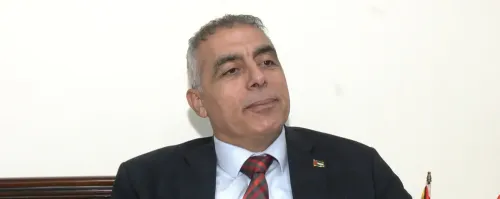
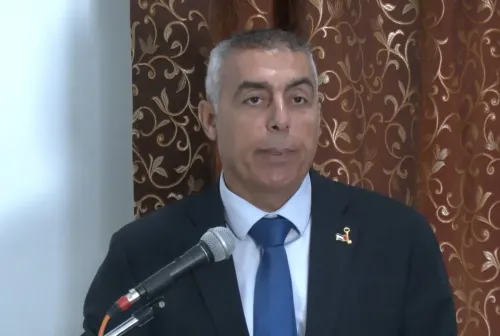
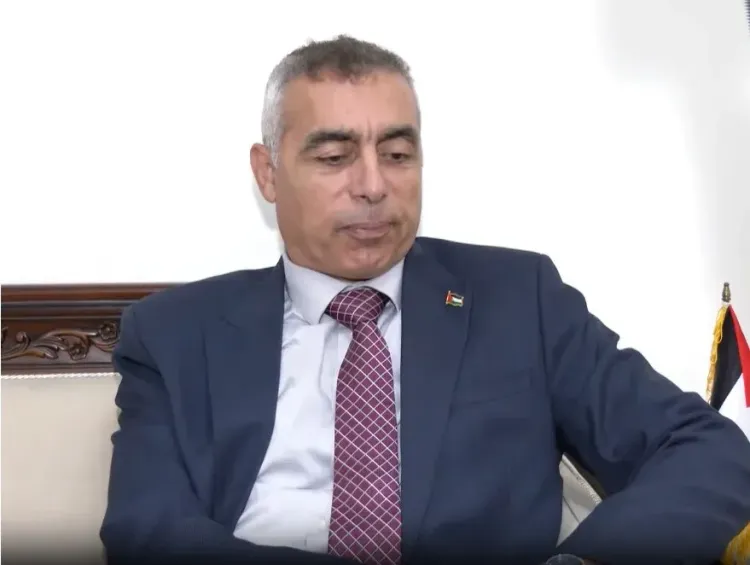
Palestinian Ambassador to India, Abdullah Abu Shawesh, on Thursday, 25 June, expressed strong confidence that India will dispatch significant medical assistance to Palestine in the near term, citing direct assurances from the Ministry of External Affairs. The ambassador described the humanitarian situation in Gaza as 'miserable', with the territory's health system in near-total collapse after nearly 1,000 days of conflict.
India's Medical Support: What the Ambassador Said
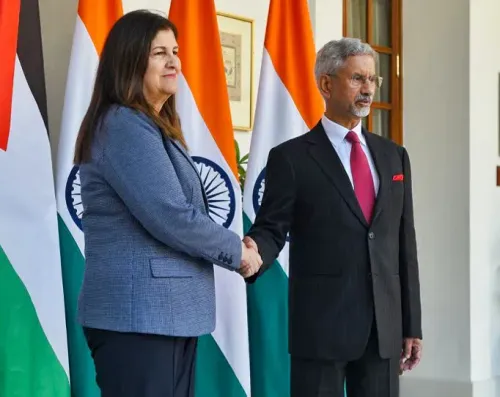
Abu Shawesh said he held a substantive meeting with the Minister of External Affairs shortly before convening a press conference at the Embassy of the State of Palestine in New Delhi last Friday. 'They promised me they would do their ultimate best,' he said, adding that he received a follow-up call from the ministry just two days prior to this interview. He described the process as 'ongoing' and expressed certainty that India would do 'something very significant and very soon.'
Beyond the government channel, the ambassador noted that Indian civil society and institutions have also reached out, with supplementary medical equipment and supplies expected from non-governmental sources as well. India has, according to Abu Shawesh, maintained a long history of sending medicines and medical supplies to Palestine since the start of the conflict.
Gaza's Humanitarian Crisis: Scale and Severity
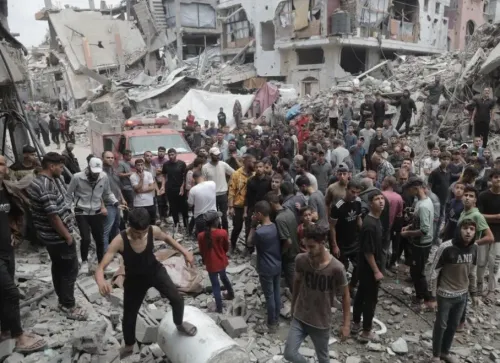
The ambassador painted a stark picture of conditions on the ground. Only approximately 17 out of 36 hospitals in Gaza are partially functional, he said. More than 1,000 Palestinians have been killed since the ceasefire declaration last October, of whom 250 are children. He cited Save the Children data putting the number of children killed at around 5,000, while a recent United Nations Human Rights Council report indicated that the bodies of 5,000 children remain under rubble in Gaza.
Approximately 700,000 Palestinian students in Gaza have lost two consecutive schooling years, Abu Shawesh said. He stressed that starvation, while not at the same intensity as earlier months, persists in Gaza. He added that the humanitarian crisis in the occupied West Bank is also 'very catastrophic.'
Failure of the International Community
Asked whether the international community is doing enough, Abu Shawesh was unequivocal: 'No.' He cited an investigation by Al Jazeera indicating that 51 countries have continued to supply Israel with weapons during the conflict. He argued that the international community has not exerted sufficient pressure on Israel to allow adequate humanitarian aid into Gaza, and that aid volumes remain well below what is needed. He called on the United Nations General Assembly to pass binding resolutions requiring Israel to abide by international law, and urged the UN Security Council to issue a clear resolution demanding accountability for alleged war crimes and crimes against humanity.
Two-State Solution and Geopolitical Shifts
On the question of the two-state solution, Abu Shawesh said it remains 'the only way out' for the Middle East crisis — a crisis he traced back to the Balfour Declaration of 1917. He said Palestinians have accepted a state on 22 per cent of their historical land, but argued that Israel — across both the current government and opposition parties — continues to reject the two-state framework.
He also acknowledged that the recent American-Israeli-Iranian conflict has displaced the Palestinian issue from the top of the global agenda. 'Just three months ago, the main file that dominated the discourse worldwide was the Palestinian fight, the Gaza file. Today, the main file is the American-Israeli-Iranian file,' he said.
India-Palestine Ties
Abu Shawesh described India as a consistent supporter of the two-state solution, noting its voting record at the United Nations and its on-the-ground development investments in Palestine. He revealed that India is close to beginning implementation of a significant new project — the construction of a hospital in the West Bank — which he described as a major upcoming milestone in bilateral cooperation.
With India's diplomatic engagement deepening and civil society mobilising, the coming weeks will test whether New Delhi's assurances translate into the scale of relief that Gaza's collapsing health system urgently requires.
Point of View
And the gap between diplomatic assurances and actual aid delivery has been wide throughout this conflict. India's position as a historic supporter of Palestinian self-determination, combined with its deepening ties with Israel in defence and technology, creates a structural tension that New Delhi has managed through calibrated multilateralism. The hospital project in the West Bank, if it materialises, would be a meaningful signal — but it does nothing for Gaza's immediate medical emergency. The harder question is whether India is willing to publicly pressure Israel on humanitarian access, or whether its support remains confined to resolutions and reconstruction projects that carry no political cost.
NationPress
24 Sept 2026
Frequently Asked Questions
Why is the Palestinian ambassador confident India will send medical aid soon?
Ambassador Abdullah Abu Shawesh said he received direct assurances from India's Minister of External Affairs that the government would do its 'ultimate best,' followed by a follow-up call from the ministry two days before the interview. He described the process as ongoing and said he is 'pretty sure' India will act 'very soon.'
How bad is the healthcare situation in Gaza right now?
According to Abu Shawesh, only approximately 17 out of 36 hospitals in Gaza are partially functioning. He described the health system as having collapsed, with starvation still present and over 1,000 Palestinians killed since the October ceasefire, including 250 children.
What is India doing for Palestine beyond medical aid?
India has a history of sending medicines and medical supplies to Palestine since the start of the conflict, according to the ambassador. Additionally, India is reportedly close to beginning construction of a hospital in the West Bank, which Abu Shawesh described as a significant upcoming bilateral project.
What does Palestine want from the UN and the international community?
Palestine wants the UN General Assembly to pass binding resolutions requiring Israel to comply with international law, and the UN Security Council to issue a resolution demanding accountability for alleged war crimes. Abu Shawesh also called on the broader international community to pressure Israel to allow adequate humanitarian aid into Gaza.
What is Palestine's position on the two-state solution?
Abu Shawesh said Palestinians accept a state on 22 per cent of their historical land and fully support the two-state solution. He argued that Israel — both the current government and opposition parties — is the only party refusing the framework, which he described as 'the only way out' for the Middle East.