Jaishankar Opens 10th India-Laos Joint Commission Meeting

Synopsis
Union External Affairs Minister Dr. S. Jaishankar opened the 10th India-Lao PDR Joint Commission Meeting, sharing his address on X. The ministerial mechanism reviews bilateral cooperation in trade, development and capacity building, anchoring India's Act East engagement with Vientiane and the wider Mekong sub-region within ASEAN.
Key Takeaways
Jaishankar opened the 10th India-Lao PDR Joint Commission Meeting on 3 June 2026 .
India and Laos established diplomatic relations in 1954 ; the JCM is the principal bilateral review mechanism.
Engagement aligns with India's Act East Policy , launched in 2014 , targeting deeper ties with ASEAN.
The ITEC programme remains a key channel for Indian capacity-building support to Lao officials.
Outcomes feed into the broader ASEAN-India partnership and the East Asia Summit agenda.
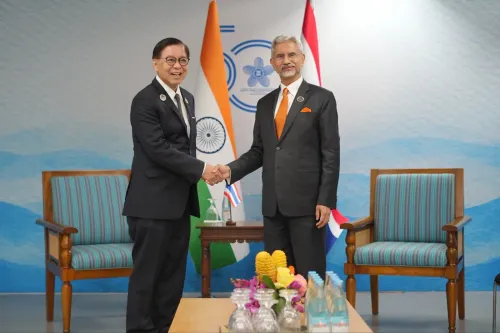
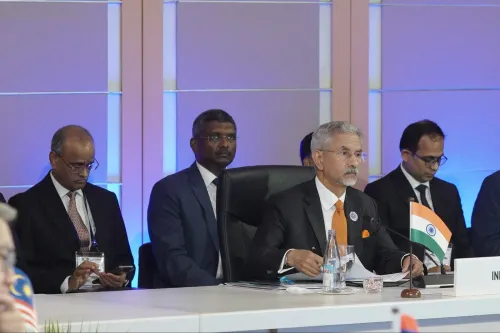
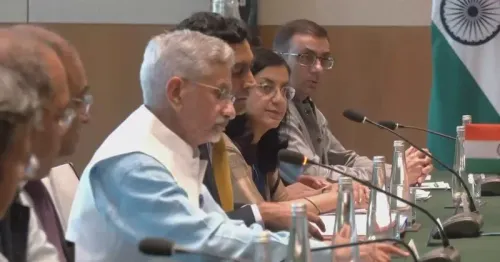
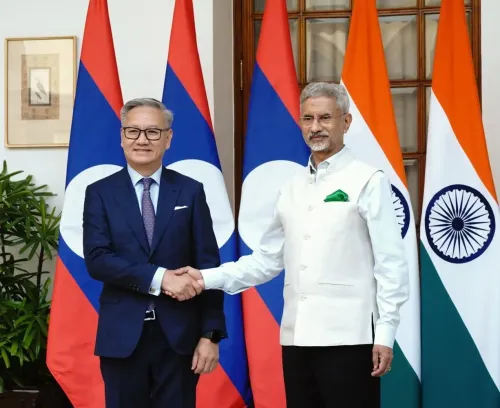
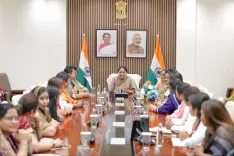
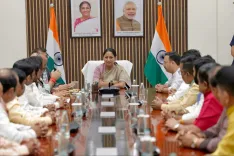
Union External Affairs Minister Dr. S. Jaishankar delivered the opening remarks at the 10th India-Lao PDR Joint Commission Meeting, sharing a livestream of his address on X on Wednesday, 3 June 2026. The minister flagged the engagement with the two national flags, signalling another formal stocktake of the bilateral relationship between New Delhi and Vientiane.
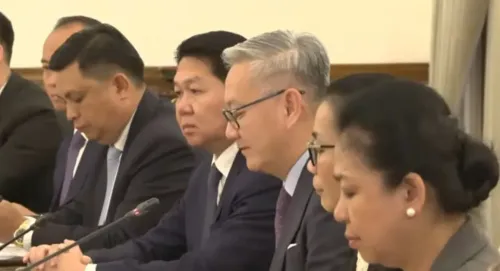
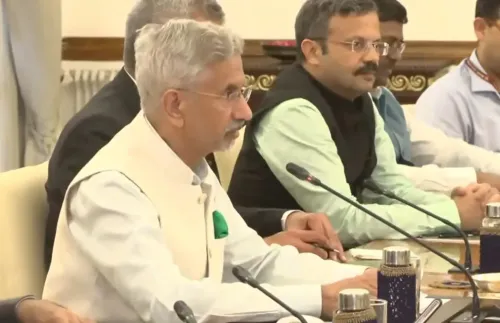
In his post, Dr. Jaishankar wrote, 'My opening remarks at the 10th India-Lao PDR Joint Commission Meeting,' accompanied by a broadcast link to the address. The Joint Commission is the principal ministerial-level mechanism through which the two countries periodically review cooperation across trade, defence, culture and development partnership.
Context
India and Lao PDR established diplomatic relations in 1954, making the partnership one of India's older bilateral engagements in Southeast Asia. Laos, a landlocked Mekong nation and member of ASEAN, has steadily figured in India's outreach to mainland Southeast Asia.
Joint Commission Meetings between the two sides have served as the standing forum to set the agenda for political consultations, development cooperation and people-to-people exchanges. The 10th edition continues that institutional rhythm.
Policy backdrop
The meeting sits squarely within India's Act East Policy, launched in 2014 to deepen political, economic and strategic engagement with ASEAN partners. Laos is viewed in New Delhi's calculus as an important Mekong partner with potential for collaboration in infrastructure, digital connectivity and human-resource development.
India has, for several decades, extended capacity-building support to Lao officials and professionals through the Indian Technical and Economic Cooperation (ITEC) programme. Training slots, scholarships and short-term courses have become a recurring deliverable in bilateral exchanges.
Dr. Jaishankar, a career diplomat who previously served as Foreign Secretary and as India's Ambassador to the United States, China and Singapore, has placed considerable weight on operationalising the Act East agenda through structured bilateral mechanisms with each ASEAN member.
Stakeholders and impact
Diplomatic officials on both sides typically use the Joint Commission to consolidate progress under existing memoranda and to flag fresh areas of cooperation. Trade and investment partners watch such meetings for signals on tariff facilitation, project financing and connectivity links into the broader Mekong region.
For Lao stakeholders, continued Indian engagement complements diversification of development partners. For Indian businesses and training institutions, the meeting reinforces channels through which ITEC alumni networks and project pipelines are sustained.
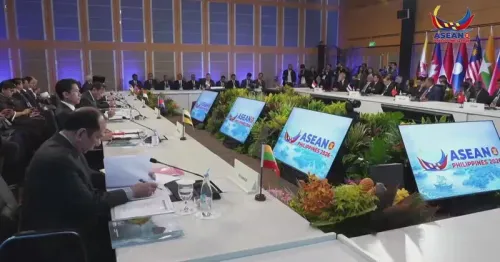
The exchange also has a regional dimension. India's bilateral cadence with each ASEAN capital feeds into the larger ASEAN-India comprehensive strategic partnership and shapes positions taken at multilateral platforms such as the East Asia Summit.
What's next
Attention will turn to the formal joint statement or outcomes document from the 10th meeting, which traditionally lists agreed areas of cooperation and forward commitments. Implementation timelines for any new initiatives, particularly in capacity building and development assistance, will be the principal markers of follow-through.
India's posture at the next ASEAN-India Summit and the East Asia Summit will further indicate how the engagement with Laos is being woven into the broader Indo-Pacific calculus, and whether the Mekong sub-region acquires sharper focus in New Delhi's foreign policy planning.
Point of View
Institutionalised diplomacy with each ASEAN capital rather than episodic high-profile visits. Laos, often overshadowed by larger Mekong neighbours, is being kept firmly inside New Delhi's Act East framework through such recurring mechanisms. Dr. Jaishankar's choice to amplify the opening remarks on X also signals a public-facing diplomacy that ties bilateral plumbing to a broader Indo-Pacific narrative. The real test will lie in conversion of agreed lines into deliverable projects.
NationPress
17 Oct 2026
Frequently Asked Questions
What is the India-Lao PDR Joint Commission Meeting?
It is the principal bilateral mechanism between India and Laos to review cooperation across trade, development, defence and cultural exchanges. The 10th edition was opened by Union External Affairs Minister Dr. S. Jaishankar on 3 June 2026.
When did India and Laos establish diplomatic relations?
India and Lao PDR established formal diplomatic relations in 1954, making it one of India's longer-standing bilateral relationships in Southeast Asia.
How does Laos fit into India's Act East Policy?
Laos is an ASEAN member and a key Mekong partner under India's Act East Policy, launched in 2014. New Delhi engages Vientiane through development cooperation, capacity building and regional connectivity initiatives.
What is the ITEC programme's role in India-Laos ties?
The Indian Technical and Economic Cooperation programme has, for several decades, offered training slots and scholarships to Lao officials and professionals, forming a recurring pillar of bilateral cooperation.
What are the next milestones to watch?
The formal outcomes of the 10th JCM and India's posture at the next ASEAN-India Summit and East Asia Summit will indicate how engagement with Laos evolves within the broader Indo-Pacific framework.