Jaishankar co-chairs 10th India-Laos Joint Commission Meeting
Synopsis
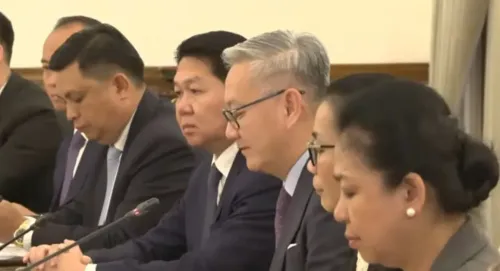
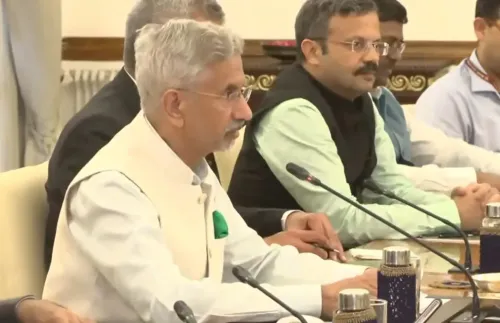
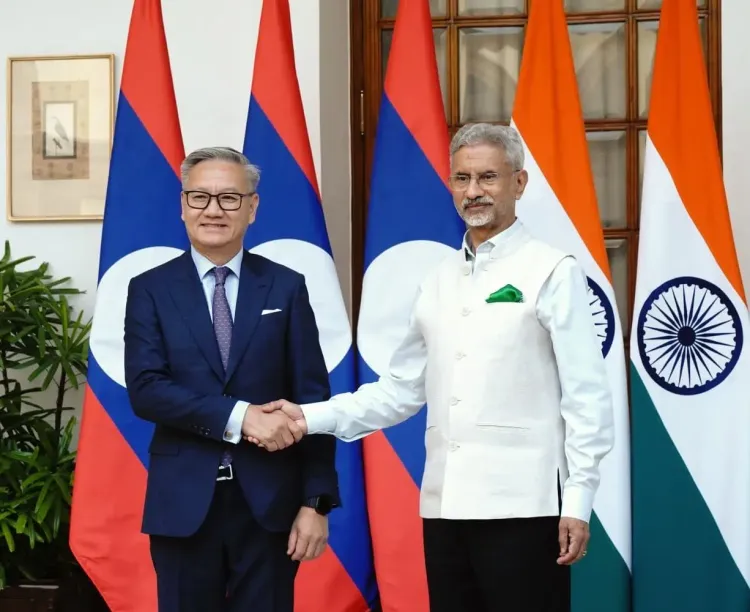
Union External Affairs Minister Dr. S. Jaishankar co-chaired the 10th India-Lao PDR Joint Commission Meeting with Deputy PM Thongsavanh Phomvihane, marking 70 years of diplomatic ties. Three agreements on pharmacopoeia, cultural exchange and defence training were signed, alongside talks on trade, energy, digital, connectivity, India-ASEAN cooperation and regional developments.
Key Takeaways
Jaishankar co-chaired the 10th India-Lao PDR Joint Commission Meeting with DPM and FM Thongsavanh Phomvihane .
Three agreements were signed on Pharmacopoeia , Cultural Exchange and Defence Training .
Talks covered trade and investment, health, energy, digital, connectivity, development partnership, capacity building and culture.
The two ministers also discussed India-ASEAN cooperation and regional developments.
The engagement marks 70 years of India-Laos diplomatic relations, established in 1954 .
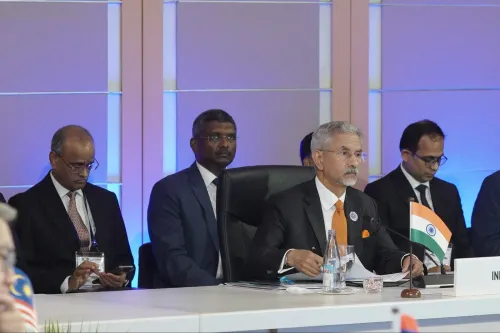
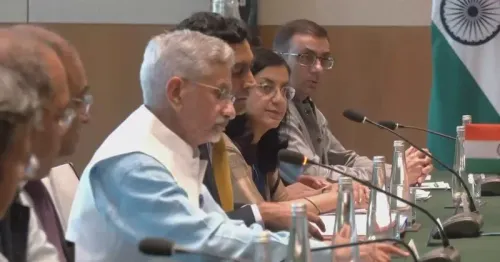
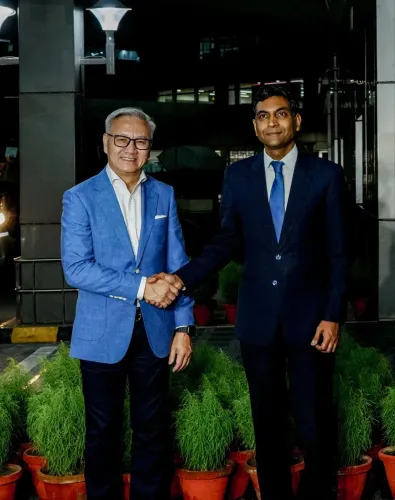
Union External Affairs Minister Dr. S. Jaishankar co-chaired the 10th India-Lao PDR Joint Commission Meeting alongside Lao Deputy Prime Minister and Foreign Minister Thongsavanh Phomvihane, holding wide-ranging discussions on the bilateral partnership as both countries mark 70 years of diplomatic relations. The two sides also signed three fresh agreements covering pharmacopoeia, cultural exchange and defence training.
Announcing the outcomes on X, the minister said the talks spanned 'trade & investment, health, energy, digital, connectivity, development partnership, capacity building and culture', and that the two ministers also exchanged views on furthering India-ASEAN cooperation and broader regional developments. 'Our ties continue to deepen and diversify as we celebrate 70 years of diplomatic relations,' he wrote, adding that the day's agreements would 'play a key role in advancing our bilateral agenda'.
Context
India and the Lao People's Democratic Republic established diplomatic relations in 1954, making the present engagement a milestone anniversary year. The Joint Commission Meeting is the principal institutional mechanism for the two governments to review the entire spread of their bilateral ties and set priorities for the coming cycle.
The 10th edition follows a steady cadence of ministerial engagement between New Delhi and Vientiane, and arrives as both capitals look to convert anniversary symbolism into concrete deliverables across sectors as varied as digital public infrastructure and traditional medicine.
Policy backdrop
The Laos engagement sits within India's broader Act East Policy, the framework that succeeded the earlier Look East approach and emphasises deeper economic, strategic and people-to-people links with Southeast Asia. Laos, a landlocked ASEAN member straddling the Mekong basin, is also a partner in the Mekong-Ganga Cooperation initiative launched in 2000 to advance connectivity, tourism, education and culture across the sub-region.
India and ASEAN elevated their relationship to a Strategic Partnership at the 2012 Commemorative Summit in New Delhi, and bilateral mechanisms such as the Joint Commission with Laos serve as building blocks for that wider regional architecture. Dr. Jaishankar's reference to 'developments in the region' signals that the conversation extended beyond the bilateral file into shared concerns about regional stability and economic integration.
Stakeholders and impact
The three agreements signed during the meeting touch distinct constituencies. The Pharmacopoeia arrangement is expected to be of interest to health regulators and the Indian pharmaceutical industry, potentially easing the recognition of Indian drug standards in the Lao market.
The Cultural Exchange Programme creates a fresh calendar for artists, scholars and institutions on both sides, reinforcing the deep Buddhist and civilisational links that already underpin people-to-people ties. The Defence Training agreement formalises cooperation between the two militaries, an area where India has progressively expanded its footprint with ASEAN partners through training slots, exercises and capacity-building courses.
Trade bodies will also be watching closely, given that the joint commission discussed 'trade & investment' alongside energy and digital cooperation, sectors where Indian firms have sought a larger presence in the Mekong region.
What's next
Attention now turns to the operational rollout of the three agreements and the timelines for their implementing arrangements. The next round of high-level engagement between New Delhi and Vientiane, including potential interactions on the margins of the upcoming India-ASEAN Summit later in 2026, will offer the first test of how quickly the anniversary-year commitments translate into projects on the ground.
For India, the meeting reinforces a pattern of using anniversary milestones with smaller ASEAN partners to lock in institutional gains, an approach that increasingly defines how New Delhi pursues its eastward outreach.
Point of View
Where anniversary years are routinely leveraged to lock in cross-sector deliverables. The choice of pharmacopoeia, culture and defence training as the headline agreements is telling: it pairs commercial soft power with calibrated security cooperation, the dual track that increasingly defines India's Act East engagement. By flagging India-ASEAN cooperation in the same breath, Dr. Jaishankar is signalling that bilateral files with Mekong partners are being read as inputs into the wider regional strategy. The real test will be implementation pace, an area where India has historically lagged its ambition.
NationPress
21 Oct 2026
Frequently Asked Questions
What is the India-Lao PDR Joint Commission Meeting?
It is the principal bilateral mechanism through which India and Laos review the full range of their relationship, from trade and energy to defence and culture. The 10th edition was co-chaired by Dr. S. Jaishankar and Lao DPM and FM Thongsavanh Phomvihane.
Which agreements did India and Laos sign?
Three agreements were signed, covering Pharmacopoeia, a Cultural Exchange Programme and Defence Training. Dr. Jaishankar said they would play a key role in advancing the bilateral agenda.
When were India-Laos diplomatic relations established?
India and the Lao People's Democratic Republic established diplomatic relations in 1954, and the two countries are now marking 70 years of ties.
How does Laos fit into India's Act East Policy?
Laos is an ASEAN member and a partner in the Mekong-Ganga Cooperation initiative launched in 2000. It is a key node for India's Act East Policy, which prioritises connectivity, trade and capacity building with Southeast Asia.
What did Jaishankar say about India-ASEAN cooperation?
He said the discussions also touched on furthering India-ASEAN cooperation and developments in the region, indicating that the bilateral conversation extended into wider regional strategy.