Jaishankar Addresses Annual Regional Passport Officers' Conference
Synopsis
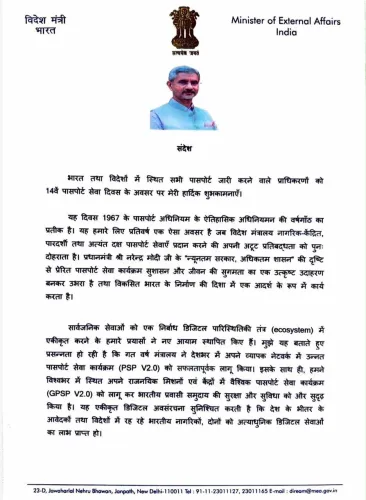
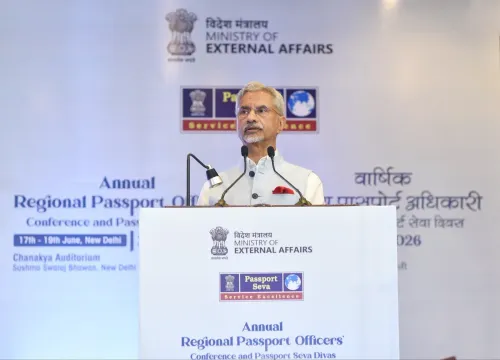
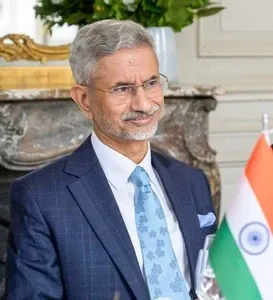
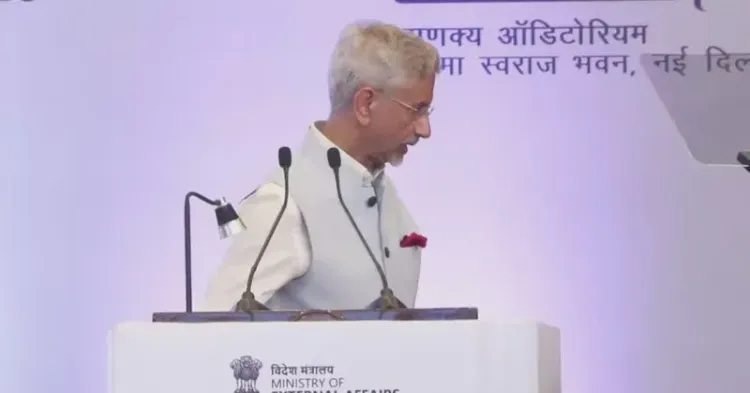
Union External Affairs Minister Dr. S. Jaishankar addressed the Annual Regional Passport Officers' Conference on June 19, 2026, marking the 14th Passport Seva Divas. The event brought together regional passport officers to review service delivery and reinforce India's decade-long push to modernise passport issuance through digital infrastructure.
Key Takeaways
Jaishankar addressed the Annual Regional Passport Officers' Conference on June 19, 2026 .
The event marked the 14th Passport Seva Divas , an annual Ministry of External Affairs observance on passport service modernisation.
The Passport Seva Project , launched in 2010 , digitised India's passport application and delivery infrastructure through online systems and dedicated Seva Kendras.
Regional passport officers use the annual conference to align with central policy, review performance, and address operational bottlenecks.
Expansion of Passport Seva Kendras and further digital integration remain key priorities for the Ministry of External Affairs going forward.
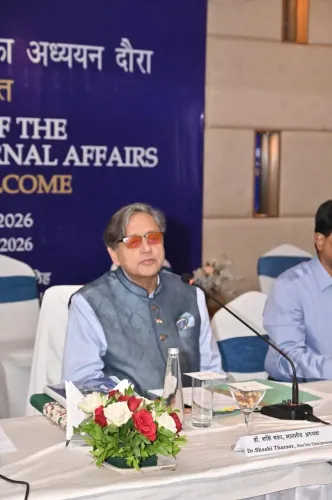
Union External Affairs Minister Dr. S. Jaishankar addressed the Annual Regional Passport Officers' Conference on Friday, June 19, 2026, marking the occasion of the 14th Passport Seva Divas. The conference brought together regional passport officers from across the country to review consular service delivery and chart the path ahead for India's passport ecosystem.
Context
Passport Seva Divas is an annual observance by the Ministry of External Affairs that commemorates the modernisation of India's passport issuance infrastructure. The 14th edition of the event underscores over a decade of sustained effort to make passport services faster, more accessible, and digitally driven for millions of Indian citizens.
The Annual Regional Passport Officers' Conference is a structured forum where field-level officers align with central policy directives, share operational insights, and address systemic bottlenecks in passport delivery across diverse geographies.
Policy Backdrop
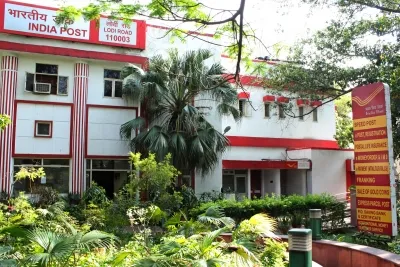
The Passport Seva Project, launched in 2010, fundamentally transformed how Indians apply for and receive passports — shifting from paper-heavy processes to a digitised, online-first system supported by a network of Passport Seva Kendras (PSKs) spread across the country. The project was designed to reduce turnaround times, improve transparency, and scale capacity to meet rising demand.
Successive governments have treated e-governance upgrades in consular services as a priority, recognising the surge in Indian citizens travelling, studying, and migrating abroad. The Ministry of External Affairs has consistently used the annual conference format to benchmark performance metrics and push for operational improvements at the regional level.
Stakeholders and Impact
The primary beneficiaries of a well-functioning passport ecosystem are India's millions of passport applicants — from first-time travellers in smaller towns to migrant workers and students seeking international opportunities. Regional passport officers, who manage the on-ground delivery of these services, are the direct audience of the conference's policy guidance.
The event also carries significance for the broader consular services framework, as passport issuance volumes are a direct indicator of citizen mobility and economic aspiration. Efficient passport delivery has downstream effects on trade, tourism, and the Indian diaspora's ability to maintain ties with the homeland.
What's Next
The expansion of Passport Seva Kendras and deeper integration of digital tracking systems are expected to remain central priorities in the coming fiscal years. Conferences like this one serve as the institutional mechanism through which the Ministry of External Affairs translates central policy ambitions into field-level execution, making them a key lever for service delivery reform.
As passport demand continues to grow alongside India's rising global footprint, the focus is likely to remain on reducing processing times, widening geographic reach, and leveraging technology to make the system more citizen-friendly.
Point of View
Not merely an administrative function. The annual regional conference format reflects a deliberate institutional design: keeping field officers accountable to central benchmarks while allowing ground-level feedback to inform policy. Over more than a decade, the Passport Seva Project has become one of the more visible e-governance success stories in India's public services landscape. Sustaining that momentum — particularly as passport demand scales — will require continued investment in both infrastructure and human capacity at the regional level.
NationPress
19 Sept 2026
Frequently Asked Questions
What is Passport Seva Divas?
Passport Seva Divas is an annual observance by India's Ministry of External Affairs that marks the modernisation of the country's passport issuance system. The 14th edition was observed on June 19, 2026.
What is the Passport Seva Project?
The Passport Seva Project, launched in 2010, is a national initiative that digitised India's passport application and delivery process through online portals and a network of Passport Seva Kendras across the country.
What is the Annual Regional Passport Officers' Conference?
It is a structured forum convened by the Ministry of External Affairs where regional passport officers review service delivery performance, address operational challenges, and align with central policy directives.
Why did Jaishankar address the passport officers' conference?
As Union External Affairs Minister, Dr. S. Jaishankar oversees India's consular services including the passport system. Addressing the conference on Passport Seva Divas underlines the ministry's focus on improving citizen-facing services.
What are Passport Seva Kendras?
Passport Seva Kendras are dedicated centres set up under the Passport Seva Project to process passport applications efficiently, reducing wait times and improving accessibility for citizens across India.