Jaishankar highlights passport centre growth at RPO Conference
Synopsis
External Affairs Minister Dr. S. Jaishankar addressed the annual Regional Passport Officers' Conference in New Delhi on 19 June 2026, highlighting the growth of Passport Seva Kendras from 77 in 2014 to 545 today and calling for feedback-driven improvements to serve India's growing global workforce.
Key Takeaways
Union External Affairs Minister Dr.
Jaishankar addressed the Regional Passport Officers' Conference in New Delhi on 19 June 2026 .
The number of Passport Seva Kendras has grown from 77 in 2014 to 545 , reaching remote parts of the country.
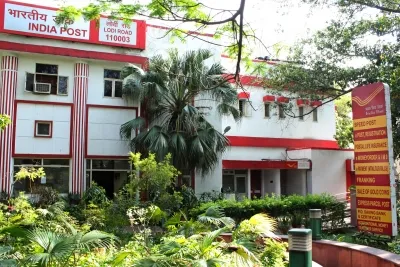
The expansion is a partnership between the Ministry of External Affairs and the Department of Posts .
Conference deliberations focused on improving service delivery through continuous public feedback .
Jaishankar linked seamless passport issuance to India's goal of preparing a global workforce for a global workplace .
Passport Seva Awards were conferred to recognise outstanding performance within the passport services network.
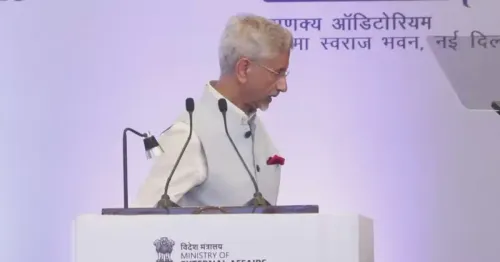
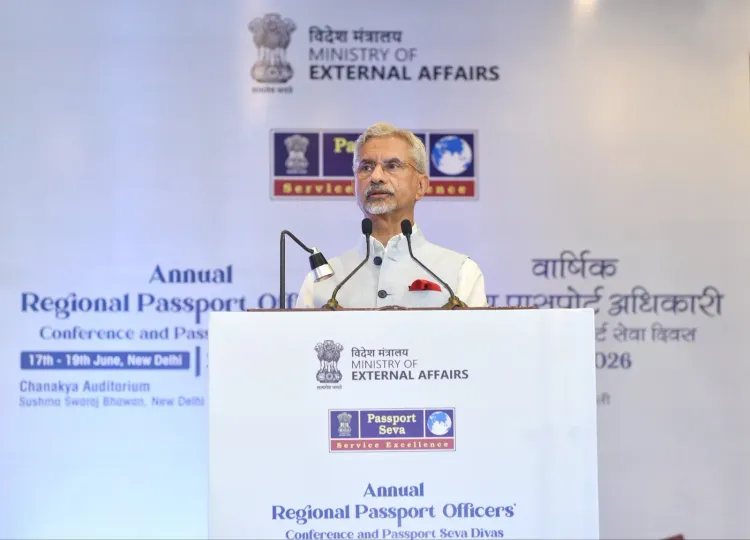
Union External Affairs Minister Dr. S. Jaishankar addressed the annual Regional Passport Officers' Conference in New Delhi on Friday, 19 June 2026, highlighting the expansion of India's passport services network and calling for continuous public feedback to improve service delivery.
Context
Speaking at the conference, Dr. Jaishankar noted that the number of Passport Seva Kendras has grown from 77 in 2014 to 545 today, describing the expansion as a model of inter-departmental partnership. 'From 77 Passport Seva Kendras in 2014 to 545 today, Bharat's Passport Service Programme has reached the remotest places of the nation,' he said. The minister credited the collaboration between the Ministry of External Affairs and the Department of Posts for enabling this reach.
The Regional Passport Officers' Conference is an annual forum convened by the Ministry of External Affairs to review operational standards, address systemic challenges, and align regional offices on service delivery priorities. This year's deliberations centred on mechanisms to gather and act upon citizen feedback.
Policy Backdrop
The Passport Seva Project was approved in 2006 and began deploying dedicated application centres from 2012 onwards, replacing a largely manual, office-bound process with a technology-driven, appointment-based model. The integration of India Post outlets as passport service points has been central to extending reach into smaller towns and rural areas where standalone Passport Seva Kendras are not viable.
Dr. Jaishankar framed efficient passport issuance as a strategic enabler, stating, 'We are preparing a global workforce for a global workplace. The efficient and seamless issuance of passports is a strong enabler.' The remark connects consular infrastructure to India's broader labour migration, education, and tourism goals, areas that have driven rising demand for travel documents over the past decade.
Stakeholders and Impact
The primary beneficiaries of the expanded network are passport applicants across India, particularly first-time applicants in smaller towns and districts who previously had to travel to major cities. Overseas Indian workers, students, and tourists represent a significant share of the demand base that the expanded infrastructure is designed to serve.
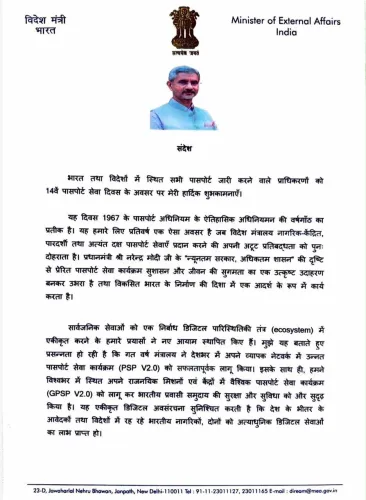
The minister also conveyed his best wishes to all recipients of the Passport Seva Awards, which recognise outstanding performance by officers and staff within the passport services ecosystem. The awards reflect an institutional effort to incentivise service quality alongside infrastructure expansion.
What's Next
The conference's emphasis on feedback-driven improvements signals that the Ministry of External Affairs is moving beyond infrastructure expansion toward qualitative upgrades in the applicant experience. Observers will watch for any announcements on further integration of passport services with India Post outlets and the adoption of digital or grievance-redress mechanisms emerging from this year's deliberations.
With the passport network now spanning 545 centres, the policy focus is likely to shift toward reducing processing timelines, improving appointment availability, and ensuring consistent service standards across the country's most remote locations.
Point of View
Not merely administrative back-office functions. The seven-fold growth in Passport Seva Kendras over a decade represents one of the more tangible expansions of citizen-facing central government services, and Jaishankar's framing of passport access as a 'global workforce enabler' ties consular efficiency directly to India's economic migration and soft-power agenda. The emphasis on public feedback as the primary improvement mechanism signals a shift toward demand-responsive governance in a domain historically driven by supply-side bureaucratic norms. If the feedback loop translates into measurable reductions in processing time and appointment backlogs, it could set a template for other consular services under the ministry's remit.
NationPress
19 Sept 2026
Frequently Asked Questions
How many Passport Seva Kendras are there in India in 2026?
According to External Affairs Minister Dr. S. Jaishankar, there are 545 Passport Seva Kendras in India as of June 2026, up from 77 in 2014.
What is the Passport Seva Programme?
The Passport Seva Programme is a government initiative under the Ministry of External Affairs that modernised passport issuance through dedicated application centres called Passport Seva Kendras, with the project approved in 2006 and centres rolling out from 2012.
What is the role of India Post in passport services?
The Department of Posts (India Post) is a formal partner of the Ministry of External Affairs in the Passport Seva Programme, providing post office outlets as passport service points to extend reach into smaller towns and rural areas.
What was discussed at the Regional Passport Officers' Conference 2026?
The Regional Passport Officers' Conference 2026 in New Delhi focused on improving service delivery through continuous public feedback, as stated by Minister Dr. S. Jaishankar who addressed the annual gathering.
What are the Passport Seva Awards?
The Passport Seva Awards are recognitions conferred to officers and staff within India's passport services ecosystem for outstanding performance, presented at events such as the annual Regional Passport Officers' Conference .