Tharoor-led Panel Inspects Jammu Passport Offices
Synopsis
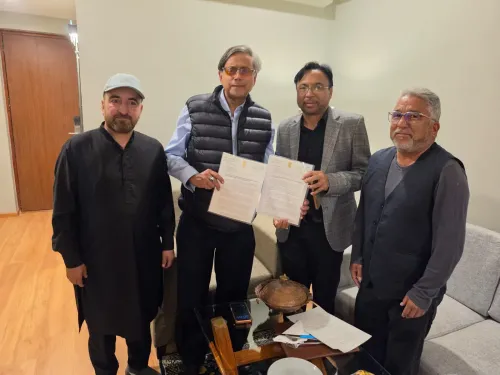
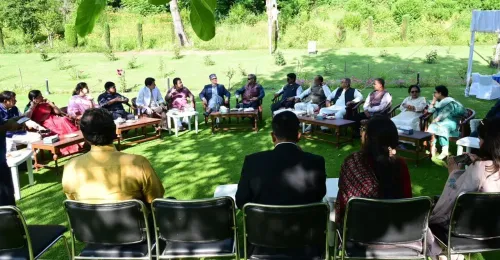
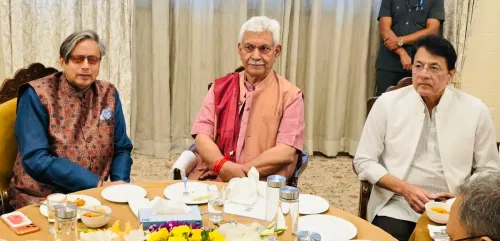
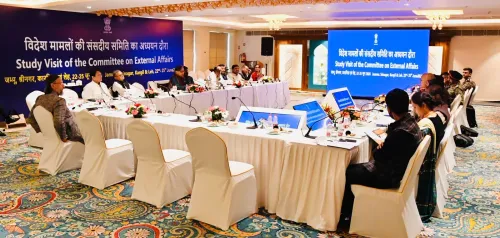
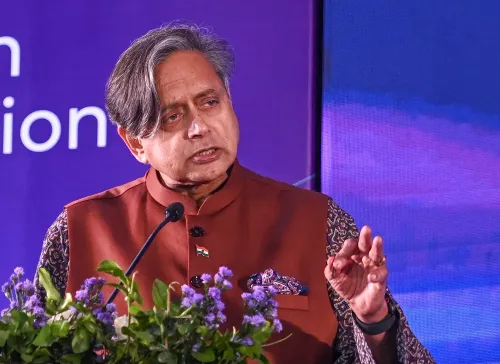
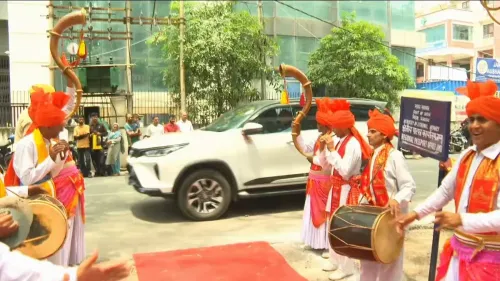
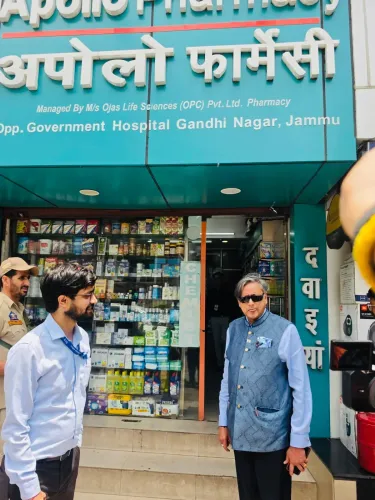
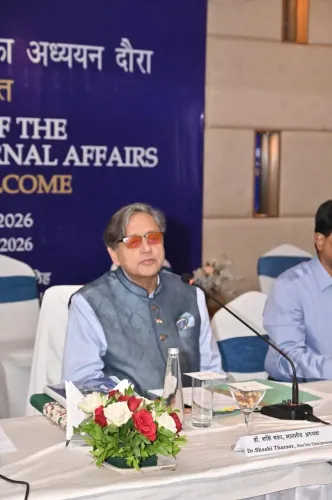
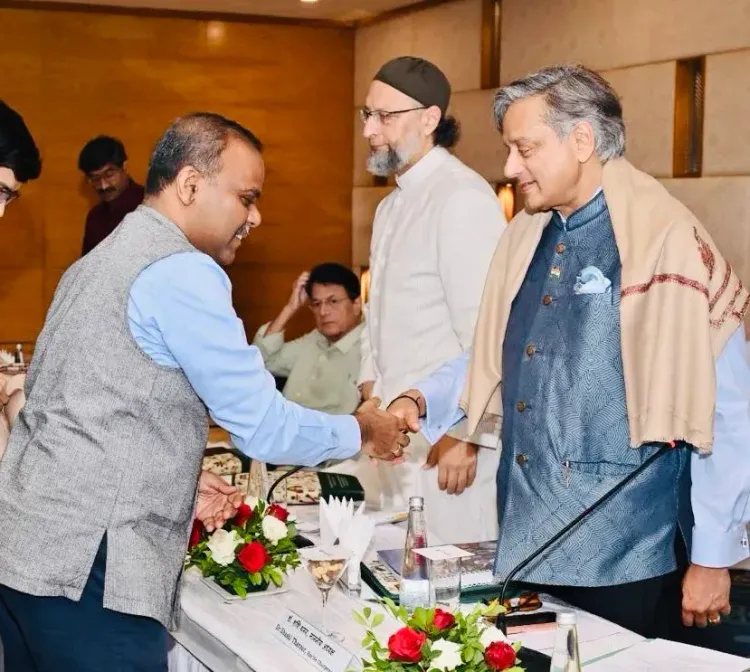
The Parliamentary Standing Committee on External Affairs, which includes Congress MP Dr. Shashi Tharoor, visited the Regional Passport Office and Passport Seva Kendra in Jammu on June 22, 2026. Tharoor noted both facilities appeared to be functioning smoothly, sharing images from the inspection on X.
Key Takeaways
The Parliamentary Standing Committee on External Affairs conducted an on-site inspection of passport facilities in Jammu on June 22, 2026 .
Both the Regional Passport Office, Jammu and the Passport Seva Kendra were visited during the inspection.
Shashi Tharoor reported that the offices appeared to be 'functioning smoothly.' The Passport Seva Project , launched in 2010 , underpins the Passport Seva Kendra network across India.
Such committee visits form part of routine legislative oversight of the Ministry of External Affairs ' domestic operations.
A formal committee report with findings and recommendations is the expected outcome of the visit.
Congress MP Dr. Shashi Tharoor, who chairs the Parliamentary Standing Committee on External Affairs, on Monday, June 22, 2026, reported that the committee had visited the Regional Passport Office and the Passport Seva Kendra in Jammu, noting that both facilities appeared to be functioning smoothly.
Context
Posting on X alongside four images from the visit, Dr. Tharoor wrote that 'they seem to be functioning smoothly' — a brief but significant observation given that Jammu and Kashmir's passport infrastructure serves a population that includes residents navigating a complex administrative environment as a union territory. The Regional Passport Office, Jammu is one of the key nodes in India's nationwide passport network, processing applications from across the region under the oversight of the Ministry of External Affairs.
The Passport Seva Kendra inspected during the visit operates as a citizen facilitation centre, part of the broader Passport Seva Project launched in 2010 to modernise and digitise passport issuance through a public-private partnership model. These centres were designed to reduce processing times and bring passport services closer to applicants across the country.
Policy Backdrop
The Passport Seva Project, now over a decade and a half old, transformed India's passport delivery system by digitising applications, introducing appointment-based processing, and expanding the service network through Passport Seva Kendras in cities and towns beyond the reach of Regional Passport Offices. The project is widely regarded as one of India's more successful e-governance initiatives under the Ministry of External Affairs.
Parliamentary Standing Committees routinely conduct on-site inspections of field offices as part of their legislative oversight mandate. Such visits allow committee members to assess ground-level service delivery, speak with staff, and gather first-hand evidence that informs their examination reports and recommendations to Parliament. Inspections in union territories such as Jammu and Kashmir carry additional significance given the region's evolving administrative status since 2019.
Stakeholders and Impact
The primary beneficiaries of well-functioning passport offices in Jammu are the residents of Jammu and Kashmir and the adjoining areas, many of whom depend on timely passport issuance for employment abroad, education, and travel. Delays or inefficiencies at regional offices can have a cascading effect on applicants, particularly first-time passport seekers in semi-urban and rural areas.
The committee's positive initial impression, as conveyed by Dr. Tharoor, may offer reassurance to citizens and civil society groups that have historically raised concerns about service backlogs and accessibility in the region. However, a formal committee report with detailed findings and recommendations is the standard output of such oversight visits.
What's Next
The Parliamentary Standing Committee on External Affairs is expected to compile its observations from the Jammu visit into a formal examination report, which may include recommendations on staffing, infrastructure, or process improvements at passport offices across the country. Any follow-up parliamentary questions or debates arising from the committee's findings will be closely watched by governance observers and residents of Jammu and Kashmir. The committee's work forms part of a broader legislative effort to ensure that India's consular services keep pace with rising demand and citizen expectations.
Point of View
Particularly in a union territory whose administrative landscape has seen significant change in recent years. Dr. Tharoor's public note that the offices are 'functioning smoothly' is a measured, non-partisan signal — notable for what it does not say as much as for what it does. Parliamentary committees rarely generate headlines from field visits, but their formal reports can quietly shape policy corrections and budget allocations. The Jammu visit fits a broader pattern of the committee using on-site inspections to supplement the Ministry of External Affairs' own reporting on consular service delivery.
NationPress
20 Sept 2026
Frequently Asked Questions
Why did the Parliamentary Standing Committee visit passport offices in Jammu?
The committee conducted an on-site inspection as part of its routine legislative oversight of the Ministry of External Affairs, which includes monitoring the functioning of passport offices and Passport Seva Kendras across India.
What is a Passport Seva Kendra?
A Passport Seva Kendra is a citizen facilitation centre set up under the Passport Seva Project, launched in 2010, to deliver passport services closer to applicants through a digitised, appointment-based system under a public-private partnership model.
What did Shashi Tharoor say about the Jammu passport offices?
Dr. Tharoor posted on X that the Regional Passport Office and the Passport Seva Kendra in Jammu 'seem to be functioning smoothly,' sharing four images from the committee's visit.
What happens after a parliamentary committee inspects a government office?
The committee typically compiles its observations into a formal examination report submitted to Parliament, which may include recommendations on improving service delivery, staffing, or infrastructure at the inspected offices.
Which area does the Regional Passport Office in Jammu serve?
The Regional Passport Office in Jammu processes passport applications from residents of the Jammu region of Jammu and Kashmir, functioning as a key node in the Ministry of External Affairs' nationwide passport network.