Tharoor-led Panel Reviews Jammu Passport Office Services
Synopsis
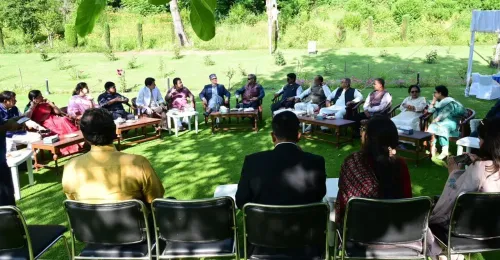
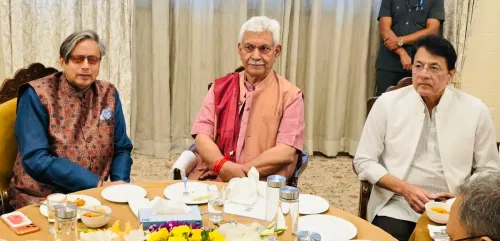
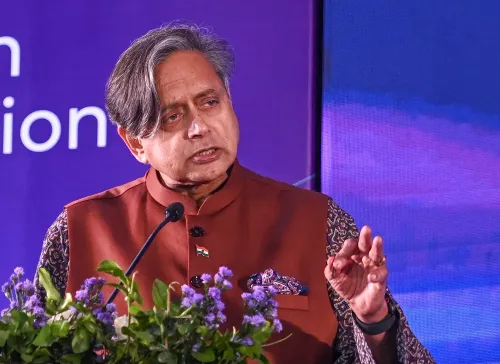
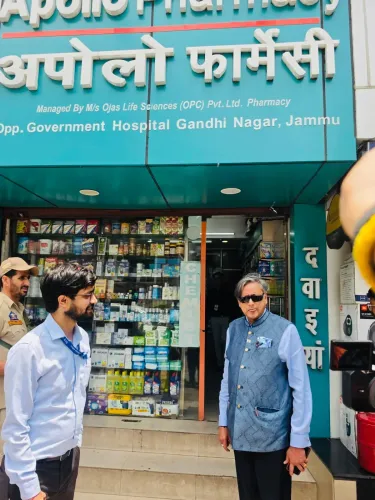
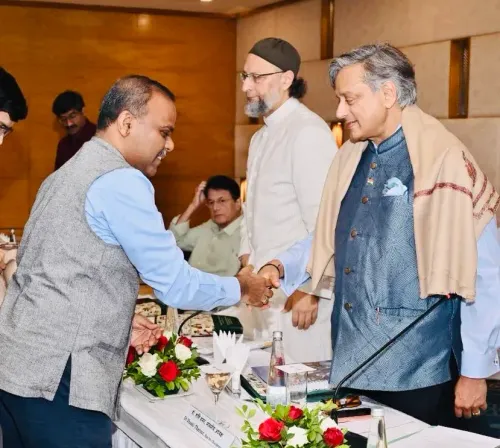
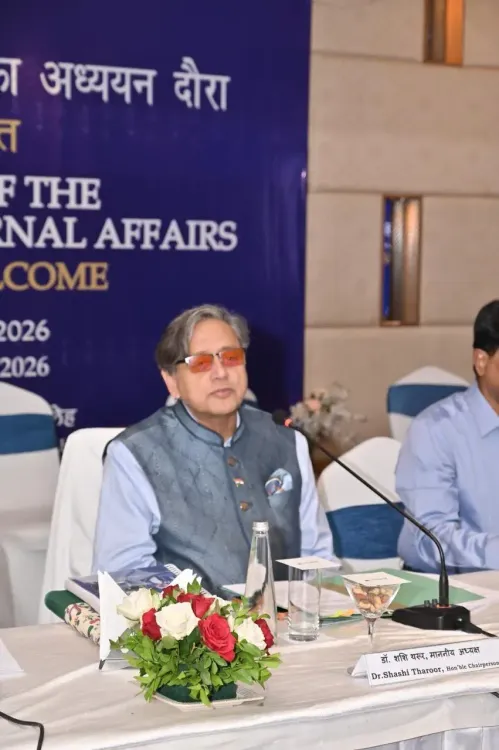
Congress MP Dr. Shashi Tharoor chaired an on-site review of the Regional Passport Office and Passport Seva Kendras in Jammu on 22 June 2026, with committee members posing tough questions on passport issuance and service delivery to residents of Jammu and Kashmir.
Key Takeaways
The Parliamentary Standing Committee on External Affairs , chaired by Dr.
Shashi Tharoor , conducted an on-site review in Jammu on 22 June 2026 .
The committee examined the functioning of the Regional Passport Office (RPO) and Passport Seva Kendras (PSKs) in the region.
Members asked 'tough and probing questions' about passport issuance processes, signalling active parliamentary scrutiny.
The Passport Seva Project , launched in 2010 , underpins the PSK network that the committee reviewed.
Findings from the visit are likely to inform a formal committee report with recommendations to the Ministry of External Affairs .
The review highlights ongoing concerns about passport processing delays and verification bottlenecks at regional offices.
Congress MP Dr. Shashi Tharoor, who chairs the Parliamentary Standing Committee on External Affairs, led an on-site review of the Regional Passport Office (RPO) and Passport Seva Kendras (PSKs) in Jammu on Monday, 22 June 2026, questioning officials on passport issuance processes and service delivery.
Context
Tharoor posted that the committee held 'a detailed meeting' in Jammu, where members 'asked some tough and probing questions about passport issuance.' The visit marks one of the committee's periodic field reviews of Ministry of External Affairs field offices, taking the panel outside Delhi to assess ground-level implementation of citizen services.
Jammu serves as the winter capital of the Jammu and Kashmir union territory and hosts one of the country's regional passport offices. The RPO caters to residents across the region, making it a high-footfall office where service quality has direct public impact.
Policy Backdrop
The Passport Seva Project, launched in 2010, replaced a largely manual system with a centralised, digitised platform for passport processing. The project created the network of Passport Seva Kendras as citizen-facing facilitation centres to handle applications, renewals, and related services at scale.
Despite the digitalisation push, passport issuance has remained a recurring subject of parliamentary scrutiny. Complaints about processing delays and police verification bottlenecks have persisted across regions, prompting committees to periodically examine whether administrative and technological systems are functioning as intended.
Stakeholders and Impact
The committee's on-site review directly concerns passport applicants across Jammu and Kashmir, many of whom depend on timely passport processing for employment, education, and travel abroad. Delays or procedural gaps in the RPO system translate into tangible hardship for ordinary citizens.
Parliamentary Standing Committees hold oversight authority over executive agencies and their findings carry institutional weight. Questions raised during such visits typically surface in formal committee reports, which can compel the Ministry of External Affairs to issue corrective instructions to field offices. The presence of the committee in Jammu also signals that the panel is conducting its review beyond the capital, giving regional offices direct exposure to parliamentary accountability.
What's Next
The committee's observations from the Jammu visit are expected to feed into a formal report to be tabled in Parliament. Any significant findings related to delays, staffing gaps, or procedural shortcomings at the RPO or PSKs could result in recommendations directed at the Ministry of External Affairs.
Stakeholders and civil society groups monitoring passport service delivery will watch for the committee's eventual report and any subsequent administrative action. The visit sets the stage for a broader assessment of how well the Passport Seva Project's infrastructure is serving citizens in the union territory.
Point of View
Making them politically sensitive and administratively complex. Tharoor's emphasis on 'tough and probing questions' signals that the committee intends its findings to carry corrective weight, not merely procedural record. The visit also carries symbolic significance for Jammu and Kashmir, where governance scrutiny from parliamentary bodies remains a matter of public interest given the region's distinct administrative status.
NationPress
21 Sept 2026
Frequently Asked Questions
What did Shashi Tharoor's committee review in Jammu?
The Parliamentary Standing Committee on External Affairs, chaired by Dr. Shashi Tharoor, reviewed the Regional Passport Office and Passport Seva Kendras in Jammu on 22 June 2026, focusing on passport issuance processes and service delivery.
What is the Parliamentary Standing Committee on External Affairs?
It is a Lok Sabha committee that examines the functioning of the Ministry of External Affairs, including its field offices and citizen service delivery mechanisms such as passport offices.
What is a Passport Seva Kendra?
Passport Seva Kendras are citizen facilitation centres set up under the Passport Seva Project, launched in 2010, to handle passport applications, renewals, and related services through a centralised digital platform.
Why does parliament review passport offices?
Parliamentary committees conduct on-site reviews to assess whether government agencies are delivering services effectively. Passport offices are frequently reviewed because of high public demand and recurring complaints about delays and verification bottlenecks.
What happens after a parliamentary committee visits a government office?
The committee typically compiles its observations into a formal report tabled in Parliament. Significant findings can lead to recommendations that the Ministry of External Affairs must respond to and act upon.