Jaishankar at BRICS: UN reform overdue, multilateralism must be credible
Synopsis
At India's first major ministerial engagement as BRICS Chair, Jaishankar delivered a blunt three-part verdict on the global order: cooperation is essential, dialogue is necessary, reform is overdue. With UN Security Council expansion, MDB restructuring, and WTO credibility all on the table, New Delhi is using its Chairship to push an agenda the Global South has demanded for decades.
Key Takeaways
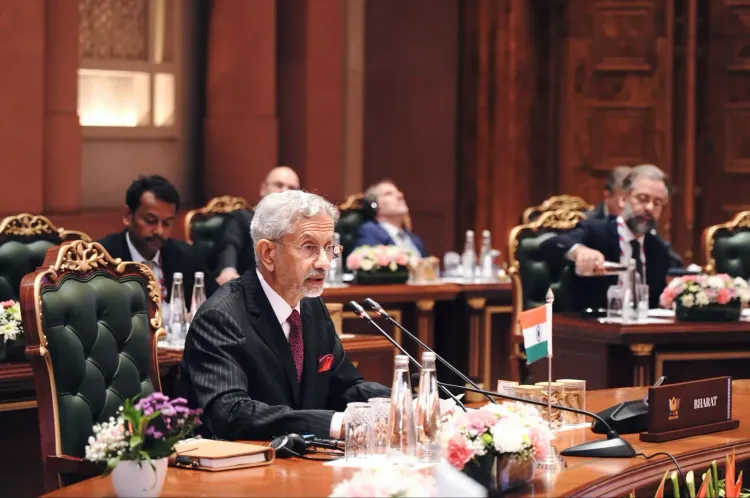
EAM S Jaishankar chaired the BRICS Foreign Ministers' Meeting session on global governance reform on 15 May 2025 in New Delhi .
Jaishankar called UN reform overdue , stating the body's credibility is constrained without expansion of permanent and non-permanent membership categories.
He urged reform of Multilateral Development Banks (MDBs) and greater access to development and climate finance for the Global South.
Jaishankar backed a rules-based WTO -centred trading system and flagged risks from non-market practices and supply chain concentration.
PM Modi met BRICS Foreign Ministers on Thursday , outlining India's vision for a more inclusive world order under its BRICS Chairship .
The ministerial meeting's outcomes are expected to shape the agenda for the BRICS Leaders' Summit later this year.
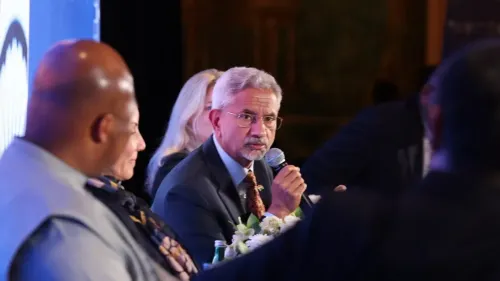
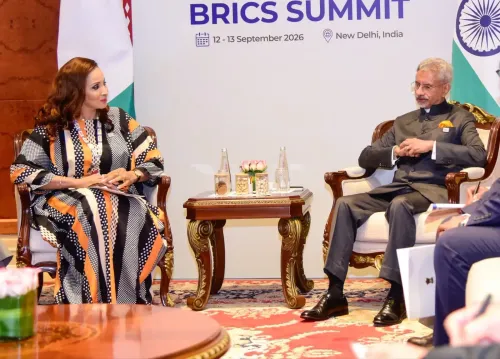
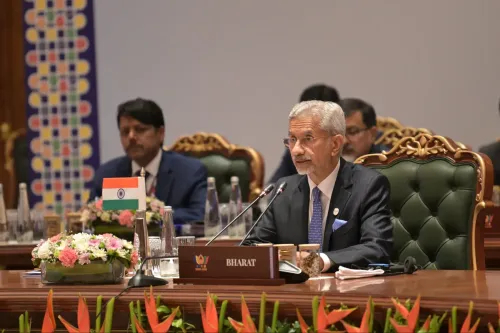
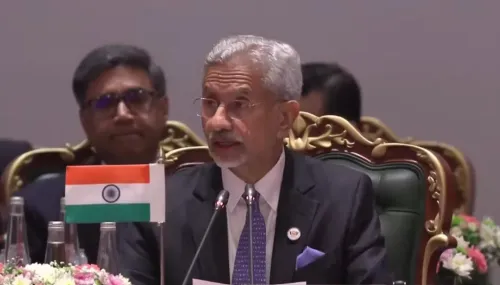
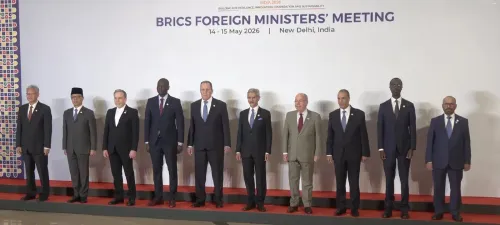
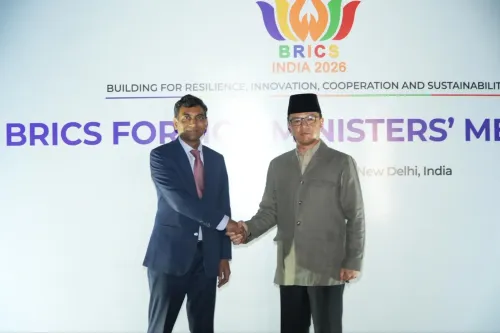
External Affairs Minister S Jaishankar on Friday, 15 May called for credible and reformed multilateralism in a world that is 'more interconnected, complex and multipolar', chairing a key session of the BRICS Foreign Ministers' Meeting in New Delhi. His remarks came as India exercises its BRICS Chairship for the year, with the two-day ministerial meeting marking the first major engagement at this level under Indian leadership.
Key Positions Staked at the Session
Speaking at the session on 'Reforms of Global Governance and Multilateral System', Jaishankar argued that the United Nations' effectiveness and credibility will remain constrained without expansion of both permanent and non-permanent membership categories — a long-standing Indian demand that has gained renewed urgency with shifting global power dynamics.
He also highlighted the need to reform the international financial architecture, urging that Multilateral Development Banks (MDBs) be made more responsive, robust, and better equipped. Expanding access to development and climate finance, he stressed, is no longer optional for the Global South.
On Trade and Supply Chain Risks
Jaishankar underscored the importance of a rules-based, fair, open, and inclusive international trading system with the World Trade Organisation (WTO) at its core. He flagged the growing challenges posed by non-market practices, concentration of supply chains, and uncertain market access — concerns that resonate deeply across BRICS economies navigating post-pandemic realignments and geopolitical fragmentation.
'The message from our times is clear — Cooperation is essential. Dialogue is necessary. Reform is overdue,' Jaishankar stated, in what amounted to a pointed summary of India's multilateral posture.
PM Modi Frames India's BRICS Vision
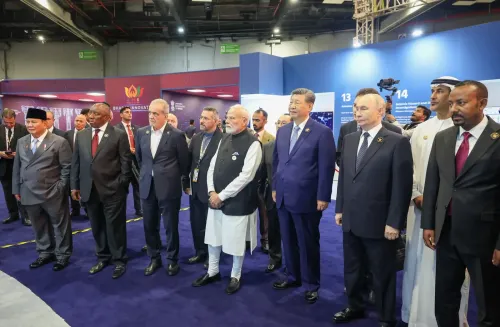
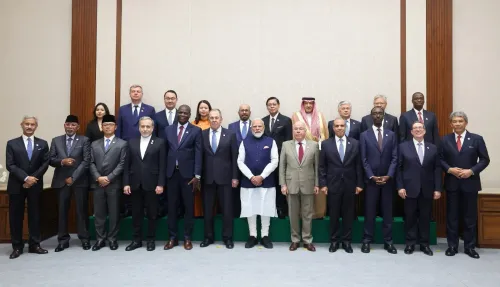
A day earlier, on Thursday, Prime Minister Narendra Modi met Foreign Ministers and Heads of Delegation of BRICS member nations in the capital. Modi said that under India's Chairmanship, BRICS will work to strengthen multilateralism, promote sustainable development, enhance economic resilience, and build a more inclusive world order.
'Glad to interact with Foreign Ministers and Heads of Delegation of BRICS countries. BRICS has emerged as an important platform for advancing cooperation among emerging economies and giving voice to the aspirations of the Global South,' Modi said in a post on X.
What Comes Next
The ministerial meeting, which concluded on Friday, is expected to shape the agenda for the BRICS Leaders' Summit scheduled later this year. The outcomes of this session — particularly on UN reform, MDB restructuring, and trade architecture — are likely to feed directly into the Summit's core agenda. With BRICS now expanded and representing a larger share of global GDP, India's push for institutional reform carries greater collective weight than at any previous chairship.
Point of View
Dialogue necessary, reform overdue — is deceptively simple but strategically loaded. India has demanded a permanent UN Security Council seat for over two decades; framing it as 'overdue' at a BRICS platform signals that New Delhi intends to use its Chairship to multilateralise that demand rather than pursue it bilaterally. The harder question is whether BRICS's expanded membership, which now includes countries with divergent interests on UN reform, will allow India to build the consensus it needs — or whether the forum's very breadth will dilute the push.
NationPress
12 Oct 2026
Frequently Asked Questions
What did EAM Jaishankar say at the BRICS Foreign Ministers' Meeting?
Jaishankar called for credible and reformed multilateralism, arguing that UN effectiveness is constrained without expansion of permanent and non-permanent membership. He also pushed for MDB reform, greater climate finance access, and a stronger WTO-centred trading system.
What is India's role at BRICS in 2025?
India holds the BRICS Chairship in 2025. The BRICS Foreign Ministers' Meeting held on 14–15 May in New Delhi is the first major ministerial-level engagement under this Chairship and is expected to set the agenda for the BRICS Leaders' Summit later this year.
Why is UN Security Council reform significant at this meeting?
Jaishankar stated that the UN's credibility will remain constrained without expansion of both permanent and non-permanent categories — a direct reference to India's long-standing demand for a permanent seat. Raising it at BRICS signals an attempt to build multilateral backing for the push.
What did PM Modi say about India's BRICS Chairship?
PM Modi said BRICS under India's Chairmanship will work to strengthen multilateralism, promote sustainable development, enhance economic resilience, and build a more inclusive world order. He made the remarks after meeting BRICS Foreign Ministers and Heads of Delegation in New Delhi on Thursday.
What happens after the BRICS Foreign Ministers' Meeting?
The meeting's outcomes are expected to feed into the agenda for the BRICS Leaders' Summit scheduled later in 2025. Key themes — UN reform, MDB restructuring, and WTO credibility — are likely to be central to that summit's deliberations.