Jal Shakti Minister C. R. Paatil Meets South Gujarat MLAs in Surat
Synopsis
Union Jal Shakti Minister C. R. Paatil chaired a zonal coordination meeting with south Gujarat's elected representatives at Surat's Science Centre on 25 October 2026, with CM Bhupendra Patel attending, to align development priorities and public-service delivery under PM Modi's guidance.
Key Takeaways
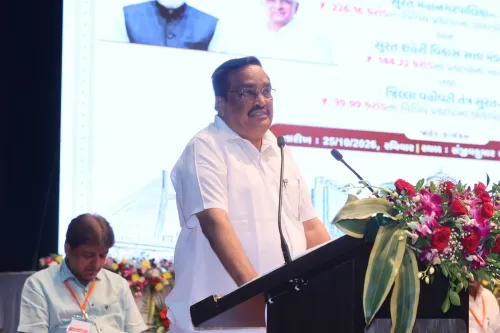
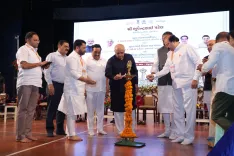
Paatil held a dialogue with south zone elected representatives at Surat's Science Centre on 25 October 2026 .
Chief Minister Bhupendra Patel was specially present at the meeting, signalling its formal weight within the party structure.
The stated agenda was accelerating Gujarat's development journey and strengthening coordination among public representatives on service delivery.
The meeting cited PM Narendra Modi 's guidance and CM Patel's leadership as the framework for the discussions.
South Gujarat , anchored by Surat's industrial economy, is a key BJP stronghold where zonal alignment exercises carry both governance and political significance.
BJP governments in Gujarat have used such periodic zonal meetings since at least the 2017-2022 term to sync local representatives with state and central priorities.
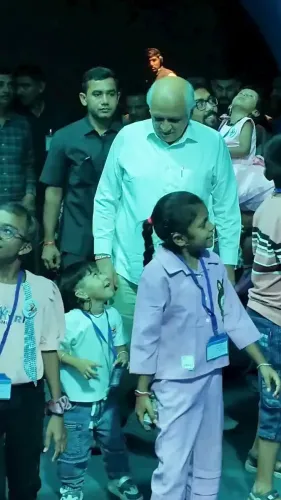
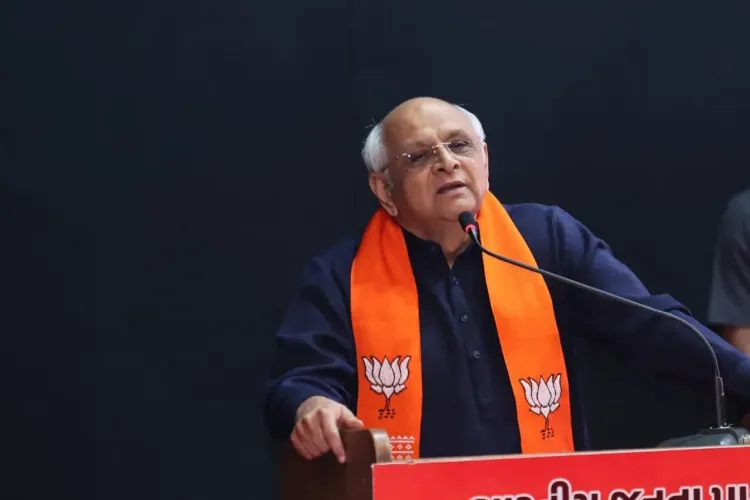
At Surat's Science Centre on Sunday, 25 October 2026, Union Jal Shakti Minister C. R. Paatil sat down with elected representatives from Gujarat's south zone — with Chief Minister Bhupendra Patel present in person — to sharpen the state's development push and tighten coordination on public-service delivery.
What Brought Surat's Science Centre Into the Picture
Paatil, himself a heavyweight of south Gujarat politics with deep roots in Surat, posted in Gujarati that the gathering was convened to 'accelerate Gujarat's development journey under Prime Minister Narendra Modi's guidance and CM Patel's leadership, and to strengthen mutual coordination in public-service work.' The Science Centre venue, a landmark in the city, gave the meeting a civic-minded setting well outside the usual party-office backdrop.
Chief Minister Bhupendra Patel's presence elevated the meeting from a routine constituency catch-up to a formal zonal alignment exercise — the kind BJP governments in Gujarat have used since at least the 2017-2022 term to keep local representatives synced with state and central priorities.
South Gujarat's Place in the BJP's Development Calculus
South Gujarat — anchored by the textile and diamond trade of Surat — is among the state's most economically productive zones and a key BJP stronghold. Keeping its elected bloc aligned with state scheme rollouts is politically and administratively significant. Paatil noted that the dialogue centred on 'moving forward with coordination among all people's representatives and the commitment to public service' — the classic BJP formula of linking central-scheme momentum with grassroots delivery.
The broader pattern here is consistent: periodic zonal meetings serve as both a governance checkpoint and a party-management tool, ensuring that MPs, MLAs, and municipal figures speak from the same playbook as budget cycles and potential election calendars approach.
Point of View
State leadership, and constituency-level representatives. With C. R. Paatil convening as a Union Minister — rather than in his former capacity as Gujarat BJP president — the meeting also signals the blurring of governance and party coordination that defines the BJP's administrative style in Gujarat. Chief Minister Bhupendra Patel's personal attendance underscores that south Gujarat's political management remains a priority as local body and assembly cycles loom. The emphasis on PM Modi's 'guidance' as the anchor for state development policy is a consistent rhetorical device that ties Paatil's seniority in Delhi directly to ground-level programme delivery in his home region.
NationPress
25 Oct 2026
Frequently Asked Questions
Why did C. R. Paatil hold a meeting in Surat on 25 October 2026?
He met south Gujarat's elected representatives at Surat's Science Centre to discuss accelerating Gujarat's development agenda and strengthening coordination on public-service delivery, with Chief Minister Bhupendra Patel also present.
Who is C. R. Paatil?
C. R. Paatil is the Union Minister of Jal Shakti, a senior BJP leader, and former president of the BJP's Gujarat state unit, with a strong political base in Surat.
What is the purpose of BJP's zonal coordination meetings in Gujarat?
These meetings align local elected representatives — MLAs, MPs, and municipal figures — with state and central government priorities, helping synchronise scheme implementation and party messaging across Gujarat's administrative zones.
Who is Bhupendra Patel?
Bhupendra Patel is the Chief Minister of Gujarat, serving in that role since 2021, and a senior BJP leader who was present at the Surat south zone meeting.
What is the significance of Surat in Gujarat politics?
Surat is south Gujarat's economic powerhouse, known for its textile and diamond industries, and is a key BJP stronghold where maintaining strong coordination among elected representatives is both an administrative and electoral priority.