Jal Shakti Minister Paatil pays tribute at Dajisaheb Patil death anniversary
Synopsis
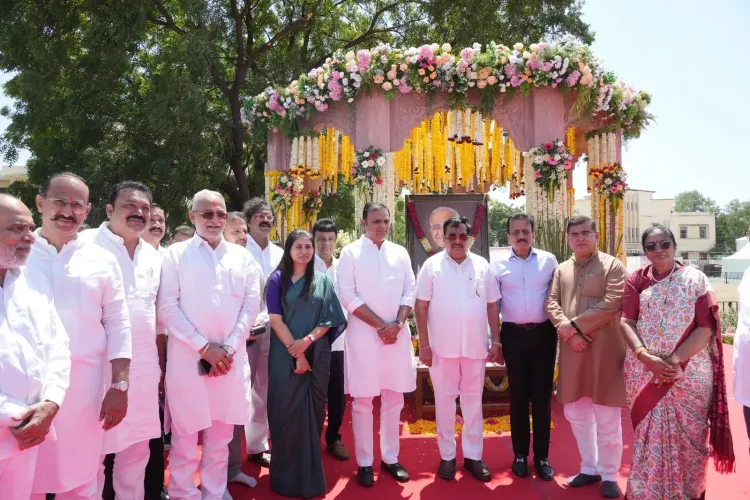
Jal Shakti Minister C. R. Paatil attended the second death anniversary of former Maharashtra minister Dajisaheb Rohidas Patil in Dhule, paying tribute and witnessing the Janseva Puraskar civic awards ceremony held in the late leader's honour.
Key Takeaways
Paatil , Union Jal Shakti Minister, attended a tribute event in Dhule, Maharashtra on September 27, 2026 .
The event marked the second death anniversary of former Maharashtra minister Dajisaheb Rohidas Patil .
The Loknete Dajisaheb Rohidas Patil Janseva Puraskar — a civic-service award in his name — was presented at the ceremony.
Paatil described Dajisaheb as a leader who always placed public welfare, social service, and development above all else.
Paatil's cross-state attendance highlights BJP's sustained effort to keep regional leaders' legacies active within party networks.
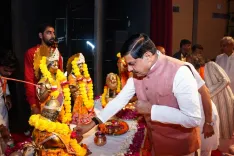
A life spent in public service, Union Jal Shakti Minister C. R. Paatil said on Sunday, September 27, never fades into mere memory — it becomes a beacon for generations to come. Paatil travelled to Dhule, Maharashtra, to attend the second death anniversary tribute and the 'Loknete Dajisaheb Rohidas Patil Janseva Puraskar Samaroh' — a civic-service awards ceremony held in honour of the late former Maharashtra minister.
Dhule's lost leader and the values he left behind
Dajisaheb Rohidas Patil was a regional stalwart from Dhule who built his political identity around public welfare, social service, and grassroots development. As a former Maharashtra minister, he was widely regarded as a lokneta — a people's leader — in the truest sense of that title. His second death anniversary brought together community figures, party workers, and elected representatives to honour not just the man but the ethic he embodied.
Paatil, posting in Hindi on X, offered his tribute in clear terms: 'Dajisaheb always placed public interest, social service, and development at the very top in public life. Carrying forward the values of service and dedication he established is the truest homage to him.' The sentiment is conventional at such events, but Paatil's cross-state presence — a Union minister flying into a Dhule memorial — underlines how much BJP's Maharashtra network values keeping the Patil legacy alive and visible.
The Janseva Puraskar — recognising service in Dajisaheb's name
The centrepiece of the ceremony was the Loknete Dajisaheb Rohidas Patil Janseva Puraskar, an award that recognises individuals who have made notable contributions in the field of public service. Paatil described it as a privilege to witness the honouring of such personalities — keeping the tradition of civic recognition alive in Dhule's political culture.
Such institutionalised recognition — naming an award after a departed leader and holding annual ceremonies — is a well-established practice within India's regional party networks. It keeps a political family's legacy embedded in local civic life while offering a platform for party solidarity across state and national tiers. Paatil's attendance is a clear signal of that solidarity in action.
Point of View
Annual political calendar. Such ceremonies serve a dual purpose: cementing family and community loyalty while providing a senior national figure a platform for outreach in Maharashtra, a state that remains electorally pivotal. The naming of a civic award after Dajisaheb Patil also follows a broader pattern where regional parties convert grief into brand — keeping a political lineage visible between election cycles.
NationPress
27 Sept 2026
Frequently Asked Questions
Who was Dajisaheb Rohidas Patil?
Dajisaheb Rohidas Patil was a former Maharashtra state minister and prominent local leader from Dhule, known for his work in public service, social welfare, and grassroots development.
What is the Loknete Dajisaheb Rohidas Patil Janseva Puraskar?
It is a civic-service award established in memory of the late Maharashtra leader Dajisaheb Rohidas Patil, presented annually to individuals who have made significant contributions in the field of public service.
Why did C. R. Paatil attend the Dhule event?
C. R. Paatil attended to pay respects on Dajisaheb Patil's second death anniversary and to participate in the Janseva Puraskar awards ceremony, reflecting BJP's tradition of cross-state solidarity at such events.
Where was the death anniversary event held?
The tribute and award ceremony was held in Dhule , Maharashtra.
What did C. R. Paatil say about Dajisaheb Patil?
Paatil said that Dajisaheb always kept public interest, social service, and development at the forefront of public life, and that carrying forward his values of service and dedication is the truest homage to him.