Jal Shakti Minister Paatil Reviews Surat Flood Situation at ICCC
Synopsis
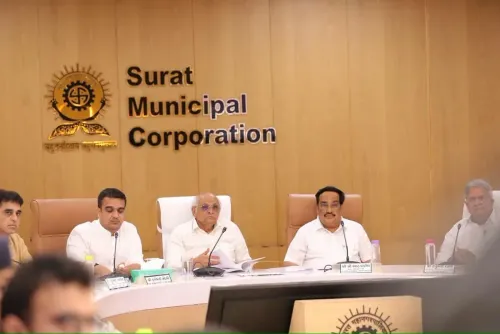
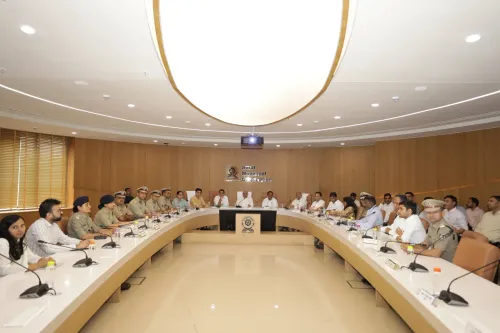
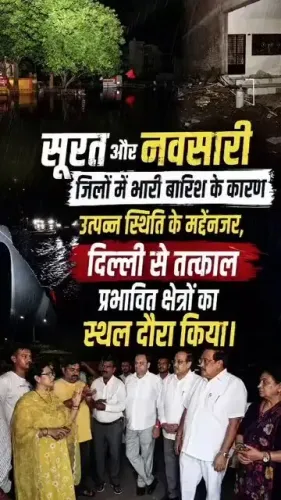
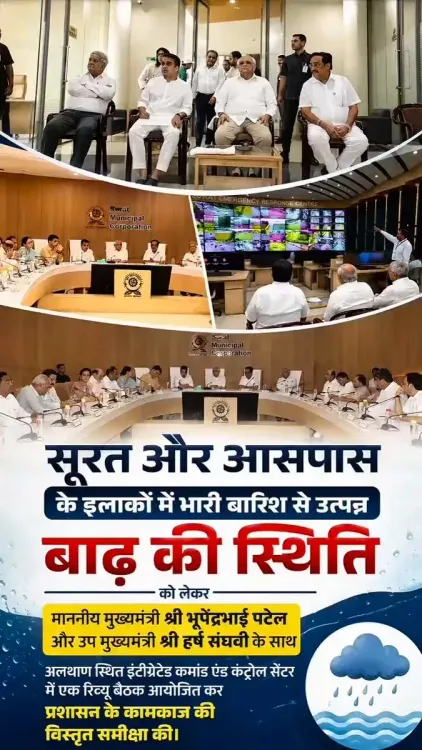
Union Jal Shakti Minister C. R. Paatil chaired a flood-situation review at Surat's Integrated Command and Control Centre in Althan on 9 July 2026, assessing heavy rainfall and waterlogging in the Khadipoor area amid the intensifying monsoon.
Key Takeaways
Union Jal Shakti Minister C.
Paatil personally chaired the flood review meeting at Surat's Althan ICCC on 9 July 2026 .
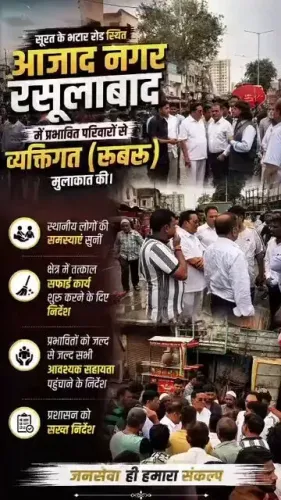
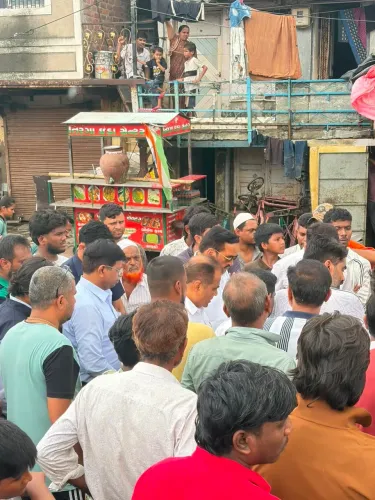
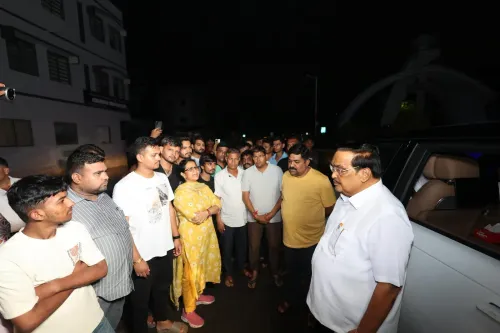
The meeting assessed conditions arising from heavy rainfall and Khadipoor area flooding in Surat.
Surat's Integrated Command and Control Centre was established under the Smart Cities Mission (2015) to enable real-time monsoon and disaster monitoring.
The Jal Shakti Ministry has been expanding its role from river-basin management into urban drainage oversight.
Gujarat has held annual monsoon-preparedness meetings with the central Jal Shakti Ministry every year since 2019 .
State government requests for central flood-relief assistance and parliamentary scrutiny of Surat's drainage infrastructure are expected next.
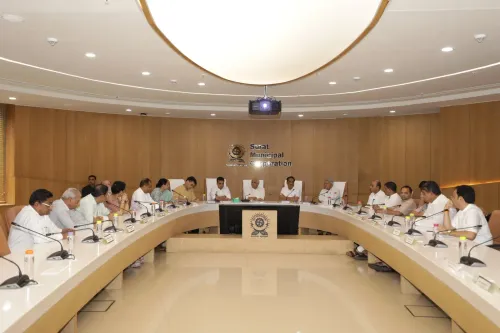
Union Jal Shakti Minister C. R. Paatil chaired a flood-preparedness review meeting at Surat's Integrated Command and Control Centre (ICCC) in Althan on 9 July 2026, assessing the situation arising from heavy rainfall and waterlogging in the Khadipoor area. The meeting brought together officials to monitor real-time conditions on the ground as the monsoon intensified across the city.
Context
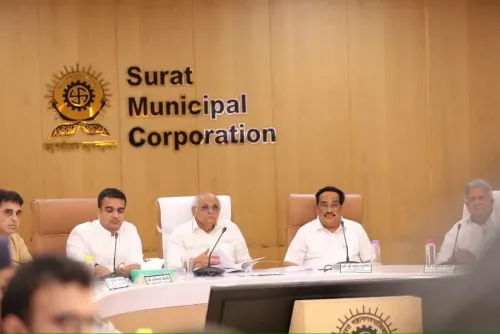
Paatil shared a glimpse of the review session on social media, writing in Gujarati: 'સુરતના અલથાણ સ્થિત ઇન્ટિગ્રેટેડ કમાન્ડ એન્ડ કન્ટ્રોલ સેન્ટરમાં ભારે વરસાદ અને ખાડીપૂરની પરિસ્થિતિ અંગે યોજાયેલી સમીક્ષા બેઠકની એક ઝલક…' ('A glimpse of the review meeting held at the Integrated Command and Control Centre in Althan, Surat, regarding the situation of heavy rain and Khadipoor flooding…'). The post was accompanied by a video from inside the ICCC, offering a visual record of the operational response.
Surat, situated on the Tapi river in Gujarat, is among India's most flood-prone urban centres during the monsoon season. The city has faced repeated inundation events, making real-time monitoring infrastructure a civic priority.
Policy Backdrop
The Althan ICCC is part of the Smart Cities Mission, launched in 2015, which funded command-and-control infrastructure across 100 Indian cities, including Surat. These centres integrate sensors, CCTV feeds, and drainage monitoring to enable faster emergency response during monsoon crises.
The Ministry of Jal Shakti and the National Disaster Management Authority issued updated urban-drainage and flood-forecasting guidelines following the 2023 monsoon season. Gujarat's state government has held annual monsoon preparedness meetings with the central Jal Shakti Ministry every June since 2019, reflecting a structured federal coordination mechanism.
Paatil's direct presence at the ICCC signals the central government's active role in what has traditionally been a municipal and state-level function — urban flood management. The Jal Shakti Ministry's mandate has increasingly expanded to cover urban drainage alongside its core river-basin responsibilities.
Stakeholders and Impact
The primary stakeholders are Surat's residents, particularly those in low-lying localities such as Khadipoor, who face displacement and property damage during peak monsoon inundation. The Surat Municipal Corporation operates the ICCC on a day-to-day basis, coordinating pump operations, drainage clearance, and evacuation logistics.
For the broader policy ecosystem, the minister's hands-on review underscores the political salience of flood preparedness in Gujarat — a state where the ruling BJP has consistently positioned technology-driven governance as a distinguishing feature of its administration. Central involvement also raises the prospect of additional funding or technical support flowing to the municipal body.
What's Next
Attention will now turn to whether the state government formally requests central flood-relief assistance, and to any follow-up directives from the Jal Shakti Ministry on drainage upgrades or early-warning systems for Surat. Parliamentary questions on urban flooding in western India are likely during the ongoing monsoon session. The ICCC's performance during this season will also serve as a benchmark for Smart Cities Mission evaluations across Gujarat.
Point of View
Not merely a municipal matter. Paatil's Gujarat roots and his former role as state BJP president give this visit a dual purpose: federal oversight and political optics ahead of any relief demands. The move also reflects a broader trend of the Jal Shakti Ministry asserting jurisdiction over urban drainage — territory long considered the domain of municipal corporations and state disaster agencies. How swiftly relief or infrastructure support follows will determine whether this review meeting translates into policy action or remains a symbolic gesture.
NationPress
9 Jul 2026
Frequently Asked Questions
Why did Jal Shakti Minister C. R. Paatil visit Surat's ICCC?
Paatil chaired a flood-situation review meeting at Surat's Integrated Command and Control Centre in Althan on 9 July 2026 to assess conditions caused by heavy rainfall and waterlogging in the Khadipoor area.
What is the Integrated Command and Control Centre in Surat?
The ICCC in Althan, Surat, is a Smart Cities Mission facility that integrates sensors, CCTV, and drainage data to enable real-time monitoring and coordination during monsoon emergencies.
What is Khadipoor flooding in Surat?
Khadipoor refers to a locality in Surat that is prone to inundation during heavy monsoon rainfall; its drainage and flood status was among the situations reviewed at the 9 July 2026 meeting.
What is the Jal Shakti Ministry's role in urban flooding?
The Ministry of Jal Shakti, traditionally focused on river-basin management, has increasingly taken on oversight of urban drainage and flood-forecasting in coordination with municipal bodies and state governments.
What happens after a flood review meeting at the ICCC?
Typically, such meetings lead to coordinated pump operations, drainage clearance, and potential requests for central flood-relief assistance, followed by parliamentary scrutiny of infrastructure gaps during the monsoon session.