Jal Shakti Minister Paatil Visits Navsari Flood Shelters
Synopsis
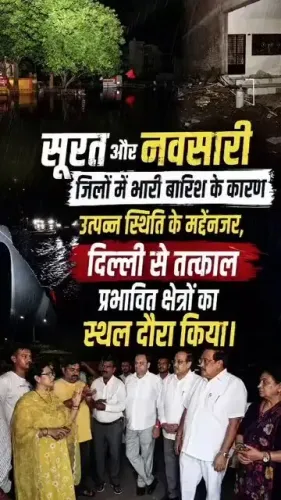
Union Jal Shakti Minister C. R. Paatil visited flood relief shelters in Navsari, Gujarat on 1 August 2026, met displaced families, assessed their needs, and directed local authorities to provide all necessary assistance as BJP workers delivered food and health services on the ground.
Key Takeaways
Paatil , Union Minister of Jal Shakti, visited a flood relief shelter in Navsari, Gujarat on 1 August 2026 .
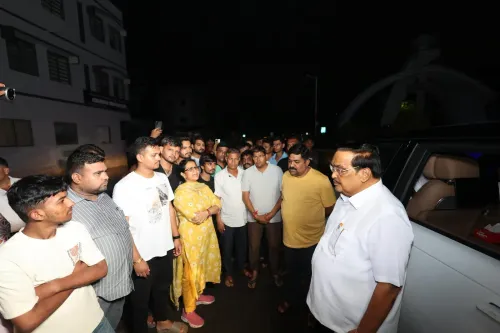
He met with flood-displaced residents to assess their conditions and immediate needs firsthand.
The minister issued direct instructions to local administration to ensure all possible assistance is delivered to sheltered families.
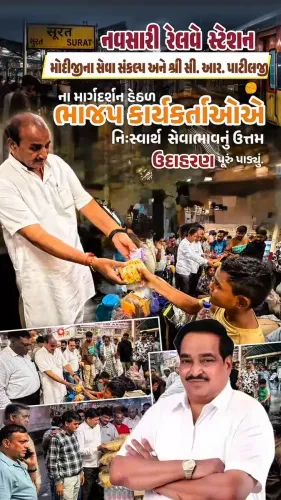
BJP workers are providing food, healthcare, and essential services at the shelter under the party's 'Seva hi Sangathan' principle.
Navsari is a chronically flood-prone district in southern Gujarat, with rivers like the Ambika and Purna frequently flooding during the monsoon season.
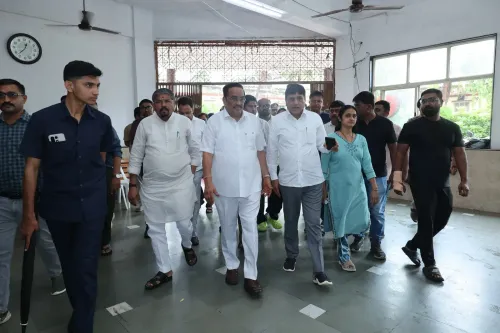
Flood-displaced families in Navsari, southern Gujarat, received a direct visit from Union Jal Shakti Minister C. R. Paatil on Saturday, 1 August 2026, as the district continued to reel from monsoon flooding — and the minister came not just to observe, but to direct.
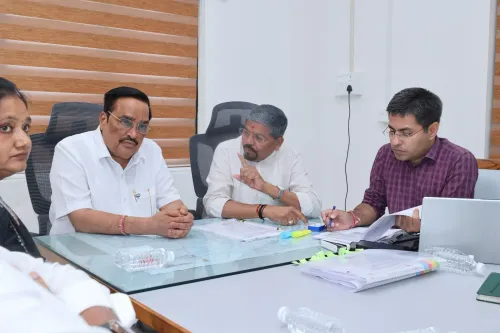
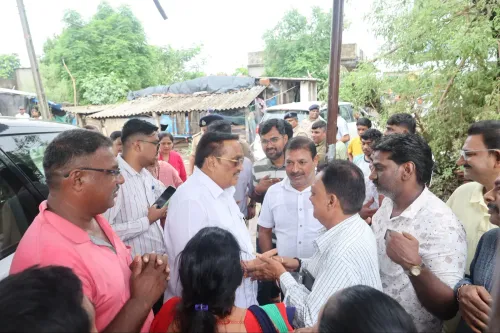
Paatil toured an active relief shelter housing flood-affected residents, speaking with displaced citizens to understand their conditions and immediate needs. He then issued on-the-spot instructions to the local administration to ensure all possible assistance reaches the sheltered families without delay.
Food, healthcare, and the shelter reality on the ground
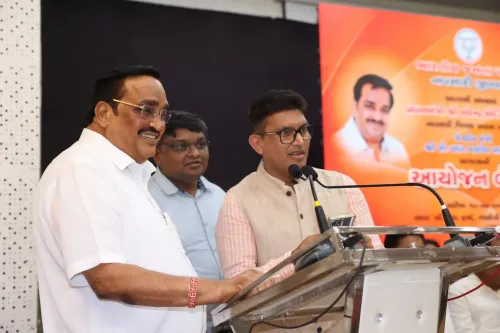
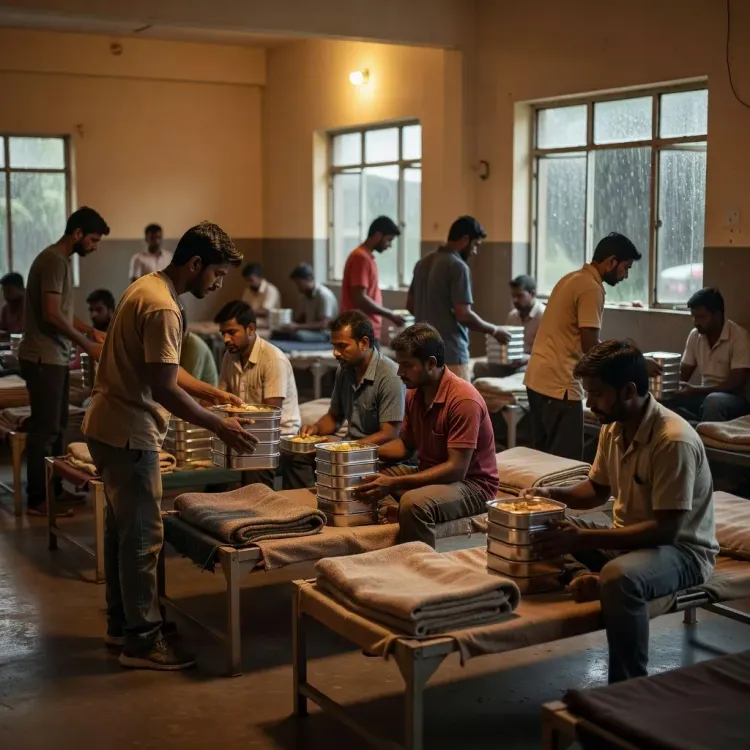
The minister found BJP workers already embedded in relief operations, delivering food, health support, and other essential services to those sheltered. Paatil praised their commitment, invoking the party's guiding slogan — 'Seva hi Sangathan' (Service is the Organisation) — calling their dedication and spirit of service 'praiseworthy' in this 'sensitive time of calamity.'
Navsari is among Gujarat's most flood-prone southern districts, with rivers including the Ambika and Purna regularly breaching banks during heavy monsoon spells. The district's recurring vulnerability has made coordinated disaster response a routine but critical exercise for both state machinery and party networks.
Cadre on the ground, minister at the door
The visit fits a well-established pattern in Gujarat: ruling-party ministers and workers mobilise rapidly at relief camps during the monsoon season, blending administrative oversight with organisational outreach. The National Disaster Management Act, 2005, frames the legal backbone for state-centre coordination in such emergencies, and on-ground ministerial visits serve as a pressure valve — accelerating bureaucratic response and surfacing gaps that paperwork misses.
Paatil, a former BJP Gujarat state president who knows the state's political and administrative terrain intimately, used the visit to signal both urgency and accountability — directing the system while publicly recognising the workers keeping it moving.
With Gujarat's monsoon season still at peak intensity, the question now is whether the central government will announce additional relief — NDRF reinforcements, emergency funds, or central assistance under disaster management frameworks — to back the ground-level effort already under way.
Point of View
Not just emergency duty. The real test will be whether the visit translates into measurable central support — funds, NDRF deployments, or formal relief packages — or remains a visible but procedural intervention.
NationPress
1 Aug 2026
Frequently Asked Questions
Why did C. R. Paatil visit Navsari in August 2026?
Union Jal Shakti Minister C. R. Paatil visited Navsari on 1 August 2026 to inspect flood relief shelters, meet displaced families, understand their needs, and direct local authorities to provide all necessary assistance to flood-affected residents.
Which areas of Gujarat were affected by floods in August 2026?
Navsari district in southern Gujarat was among the flood-affected areas during the 2026 monsoon season. Navsari is frequently impacted by flooding from rivers such as the Ambika and Purna.
What is the BJP's 'Seva hi Sangathan' slogan?
'Seva hi Sangathan' translates to 'Service is the Organisation' — a BJP motto that frames grassroots relief and public service work as core to the party's identity, invoked especially during disaster response efforts.
What relief services are being provided at Navsari flood shelters?
According to Minister Paatil's post, BJP workers at the Navsari shelter are providing food, health assistance, and other essential services to flood-displaced families.
What is the legal framework for flood disaster relief in India?
The National Disaster Management Act, 2005 establishes the framework for coordinating disaster response between state and central governments in India, covering floods and other calamities.