J&K Cabinet debates reservation policy for govt jobs, open merit quota may rise to 40%
Synopsis
J&K's elected government is pushing to raise the open merit quota in government jobs and college admissions from 30% to 40% — but the Lieutenant Governor returned the cabinet's approved recommendations without sign-off, citing MHA observations. With 70% of seats already reserved and youth resentment mounting, the Abdullah government faces a constitutional tightrope between democratic mandate and Union Territory realities.
Key Takeaways
J&K Cabinet met on 23 June 2025 under Chief Minister Omar Abdullah to discuss the Centre's response to reservation reform proposals.
The cabinet sub-committee, formed on 10 December 2024 , submitted its report on 10 June 2025 ; the Cabinet approved it on 4 December 2025 .
Current reservations in J&K total 70 per cent , leaving only 30 per cent for Open Merit candidates.
The sub-committee proposed raising the Open Merit share to 40 per cent in government jobs and professional college admissions.
The Lieutenant Governor returned the recommendations without approval, along with Ministry of Home Affairs observations.
The J&K government is now working to address the Centre's concerns while preserving the proposed open merit increase.
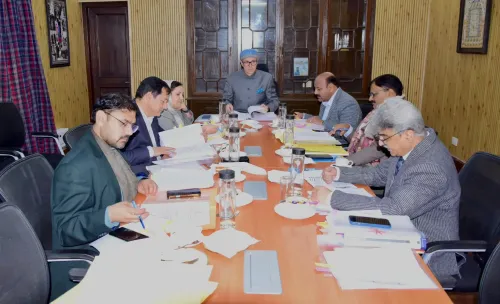
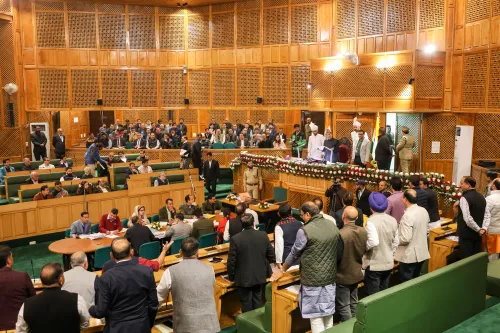
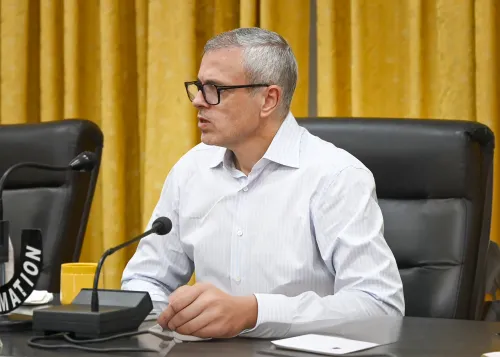
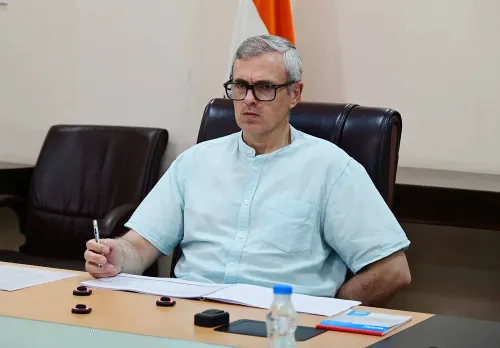
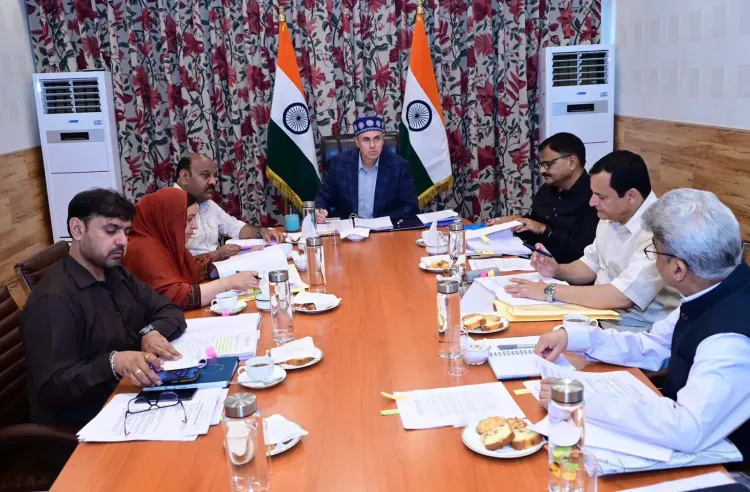
The Jammu & Kashmir Cabinet, chaired by Chief Minister Omar Abdullah, convened at the Civil Secretariat, Srinagar on Tuesday, 23 June 2025 to deliberate on key administrative matters, including the Centre's response to the cabinet sub-committee's proposals on reservation policy for government jobs and professional college admissions. The session marks a critical juncture in J&K's long-running effort to rebalance its reservation framework.
Background: How the Sub-Committee Report Was Formed
The J&K Cabinet had constituted the sub-committee on 10 December 2024 to review the existing reservation structure. The panel submitted its findings after six months, on 10 June 2025. The Cabinet subsequently sought a legal opinion from the Law Department, finalised the report, and approved it on 4 December 2025 before forwarding it to the Lieutenant Governor.
However, the Lieutenant Governor returned the cabinet's recommendations without approval, along with observations from the Ministry of Home Affairs (MHA) on reservations in the Union Territory — a development that has stalled the proposed overhaul.
What the Proposals Seek to Change
At present, reservations across various categories have cumulatively reached 70 per cent in J&K, leaving only 30 per cent of government jobs and professional college seats available under the Open Merit category. The sub-committee has proposed raising the Open Merit share to 40 per cent.
The current reservation breakdown includes 10 per cent each for ST-I, ST-II, RBA, and EWS categories, 8 per cent each for Scheduled Castes and OBCs, and 4 per cent for the ALC/IB category. A 10 per cent horizontal reservation also exists, comprising 6 per cent for ex-servicemen and 4 per cent for Persons with Disabilities (PwDs).
Youth Resentment and Political Pressure
The shrinking Open Merit pool has reportedly fuelled strong resentment among J&K's youth, particularly among aspirants competing for government positions and seats in professional institutions. This sentiment has added urgency to the Abdullah government's push for reform. Notably, this is one of the most politically sensitive governance issues the elected government has faced since assuming office.
What the Cabinet Said
The Chief Minister's Office stated that the meeting 'deliberated on a range of proposals and policy matters aimed at strengthening governance, accelerating development and improving public service delivery across Jammu & Kashmir,' according to a post shared on X. The cabinet is now working to navigate the MHA's observations while ensuring the open merit quota rises to at least 40 per cent.
What Happens Next
The J&K government must reconcile its proposals with the Centre's observations before any change in the reservation structure can take effect. With the Lieutenant Governor's approval required for implementation, the path forward involves a delicate balancing act between elected government priorities and Union Territory administrative constraints. How swiftly the Centre responds to revised proposals will determine when — and whether — J&K's youth see tangible relief.
Point of View
Which in turn requires Centre clearance. The MHA's decision to return the recommendations without approval — rather than engaging with a revised framework — risks prolonging youth resentment that has real electoral consequences. With 70% reservation already among the highest in any Indian jurisdiction, the Abdullah government's 40% open merit push is not radical; it is a course correction. The real question is whether the Centre will treat this as a law-and-order issue or a governance one.
NationPress
22 Sept 2026
Frequently Asked Questions
What did the J&K Cabinet discuss on 23 June 2025?
The J&K Cabinet, chaired by Chief Minister Omar Abdullah, discussed the Centre's response to proposals by the cabinet sub-committee on reservation policy, along with other administrative matters. The core issue is a proposal to raise the Open Merit quota in government jobs and professional college admissions from 30% to 40%.
What is the current reservation structure in Jammu & Kashmir?
Reservations in J&K currently total 70%, with ST-I, ST-II, RBA, and EWS each holding 10%, Scheduled Castes and OBCs at 8% each, and ALC/IB at 4%. A separate 10% horizontal reservation covers ex-servicemen (6%) and Persons with Disabilities (4%), leaving only 30% for Open Merit candidates.
Why did the Lieutenant Governor return the cabinet's reservation recommendations?
The Lieutenant Governor returned the cabinet-approved recommendations without approval, along with observations from the Ministry of Home Affairs on the reservation structure in the Union Territory. The specific objections have not been made public.
When was the J&K reservation sub-committee formed and what did it recommend?
The sub-committee was constituted on 10 December 2024 and submitted its report on 10 June 2025. It recommended raising the Open Merit category from 30% to 40% to address growing resentment among youth competing for government jobs and college seats.
What happens next in J&K's reservation reform process?
The J&K government must address the Ministry of Home Affairs' observations and resubmit revised proposals. The Lieutenant Governor's approval is required before any changes to the reservation structure can take effect, making the Centre's position the decisive factor.