J&K Chief Secretary joins Murti Pratishthan Divas at Uma Bhagwati shrine, Anantnag
Synopsis
The Mata Uma Bhagwati shrine in Anantnag — shut for 34 years and reopened only in July 2024 — hosted J&K Chief Secretary Atal Dulloo for its Murti Pratishthan Divas celebrations. His presence, alongside district officials and diaspora-backed restoration work, underscores a quiet but significant revival of Kashmiri Pandit heritage sites across the Valley.
Key Takeaways
J&K Chief Secretary Atal Dulloo attended Murti Pratishthan Divas at the Mata Uma Bhagwati shrine , Anantnag, on Tuesday, 21 July .
The shrine, featuring five natural springs , reopened in July 2024 after a 34-year closure .
Dulloo participated in Kalash Puja and pledged expanded heritage conservation works at the site.
Deputy Commissioner Dr Bilal Mohi-ud-Din Bhat was also present and was acknowledged for coordinating the event.
The revival is part of a broader, diaspora-funded grassroots effort to restore Kashmiri Pandit shrines across the Kashmir Valley .
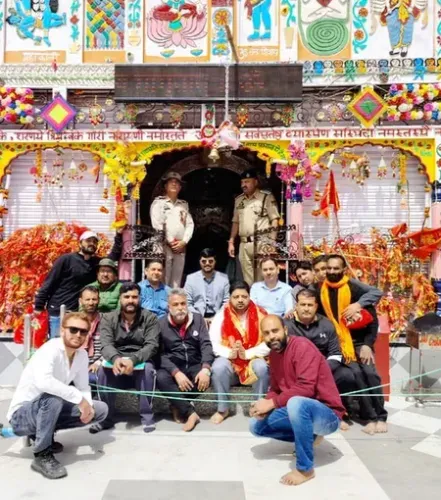
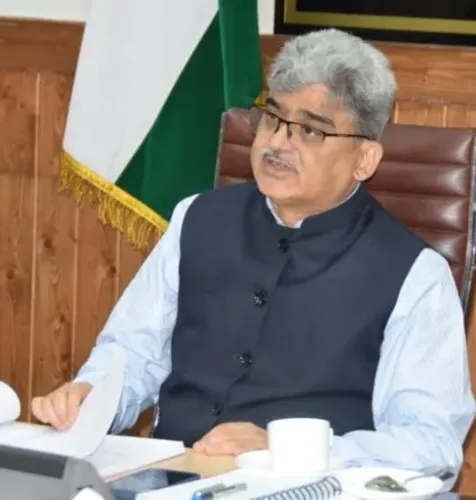
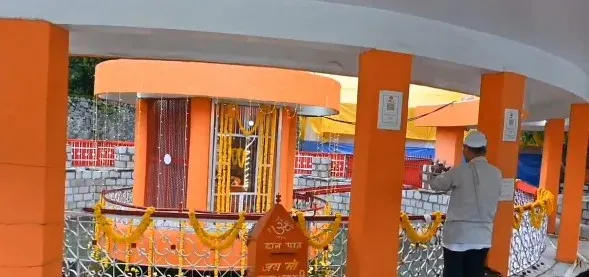
Jammu and Kashmir Chief Secretary Atal Dulloo on Tuesday participated in the Murti Pratishthan Divas celebrations at the Mata Uma Bhagwati shrine in Umanagri, Shangus, Anantnag district, attending a two-day Yagyna and allied spiritual programmes organised by the Uma Bhagwati Asthapan Trust. His presence as Chief Guest at the ancient Hindu temple — which reopened in July 2024 after a 34-year closure — signals the administration's active engagement with the cultural revival of Kashmiri Pandit heritage sites.
Key Developments at the Shrine
Dulloo paid obeisance at the shrine, seeking the deity's blessings for peace, prosperity, and the well-being of the people of Jammu and Kashmir. He also participated in the Kalash Puja and other sacred rituals central to the Murti Pratishthan observance.
Deputy Commissioner Anantnag Dr Bilal Mohi-ud-Din Bhat, senior district administration officers, and a large gathering of devotees and Trust members were also present at the celebrations.
What the Government Said
Referring to ongoing heritage conservation efforts, Dulloo reaffirmed the administration's commitment to safeguarding places of historical and spiritual importance. He stated that the existing development project at the shrine would be expanded to incorporate additional works aimed at improving visitor facilities and preserving the sanctity of the site in a comprehensive manner.
The Uma Bhagwati Asthapan Trust expressed gratitude to the Chief Secretary for his participation and his assurance of continued support. The Trust also acknowledged the proactive coordination role played by Deputy Commissioner Bhat in ensuring smooth arrangements for the religious function.
About the Shrine and Its Significance
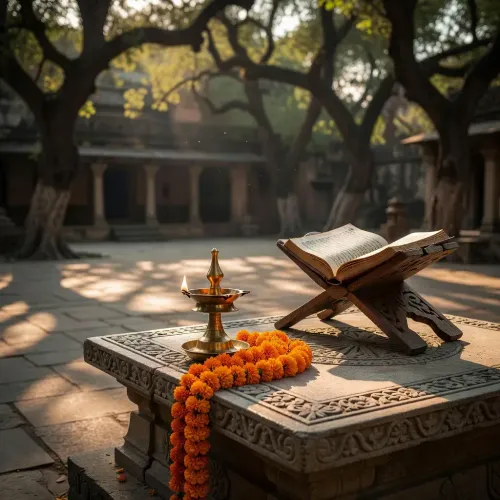
The Mata Uma Bhagwati shrine is an ancient Hindu temple in Anantnag, notable for its five natural springs. It carries deep spiritual and cultural significance for the Kashmiri Pandit community, having remained shut for 34 years before its reopening in July 2024.
This comes amid a broader, quiet reclamation of ancestral shrines across the Kashmir Valley by Kashmiri Pandits. Funded largely by the diaspora and managed by local employees, the grassroots revival is restoring forgotten sites and reconnecting the community to its heritage — with the focus on rebuilding and restoration rather than immediate resettlement.
Broader Context
The administration's participation in events such as this reflects a deliberate policy posture: state officials attending minority religious observances in the Valley to signal institutional support for cultural continuity. Notably, this is one of several such heritage sites across Anantnag and the wider Valley that have seen renewed attention from both the diaspora and district authorities in recent years. The trajectory of shrine restoration — and the pace of government-backed infrastructure improvements — will be closely watched by the Kashmiri Pandit community as a measure of the Centre's longer-term commitments.
Point of View
The administration's assurance of 'additional works' will need a credible timeline to be anything more than goodwill.
NationPress
20 Oct 2026
Frequently Asked Questions
What is Murti Pratishthan Divas at the Uma Bhagwati shrine?
Murti Pratishthan Divas is the consecration anniversary celebration observed at the Mata Uma Bhagwati shrine in Umanagri, Shangus, Anantnag. It is marked with a two-day Yagyna and other spiritual programmes organised by the Uma Bhagwati Asthapan Trust, and holds deep significance for the Kashmiri Pandit community.
When did the Mata Uma Bhagwati shrine reopen and why was it closed?
The Mata Uma Bhagwati shrine reopened in July 2024 after remaining closed for 34 years. The closure was linked to the exodus of the Kashmiri Pandit community from the Valley during the early 1990s.
What did J&K Chief Secretary Atal Dulloo announce at the shrine?
Dulloo stated that the ongoing development project at the shrine would be expanded to include additional works for improving facilities and preserving its sanctity. He reaffirmed the government's commitment to safeguarding places of historical and spiritual importance.
Who else was present at the Murti Pratishthan Divas celebrations?
Deputy Commissioner Anantnag Dr Bilal Mohi-ud-Din Bhat, senior district administration officers, and a large gathering of devotees and Uma Bhagwati Asthapan Trust members attended the celebrations alongside Chief Secretary Dulloo.
What is the broader significance of Kashmiri Pandit shrine restoration in the Valley?
Kashmiri Pandits are undertaking a grassroots revival of ancestral shrines across the Kashmir Valley, funded by the diaspora and managed by local employees. The focus is on rebuilding and restoration rather than immediate resettlement, reconnecting the community to its cultural and spiritual heritage.