Eid-ul-Adha prayers held peacefully across J&K; Eidgah ban sparks controversy

Synopsis
Eid-ul-Adha passed peacefully across Jammu and Kashmir, but the ban on prayers at Srinagar's historic Eidgah — now in its eighth consecutive year — overshadowed the festivities. With Mirwaiz Umar Farooq placed under house arrest and no official explanation given, the restriction is becoming a defining grievance over religious access in the valley.
Key Takeaways
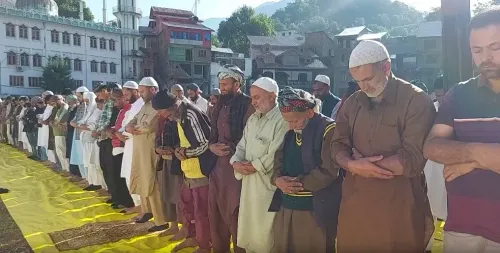
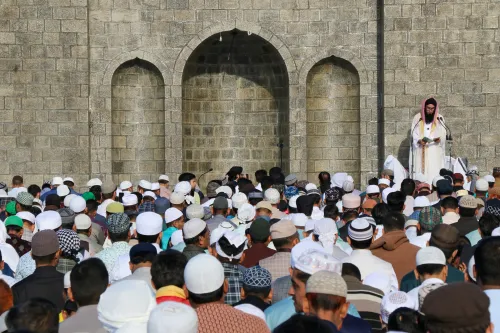
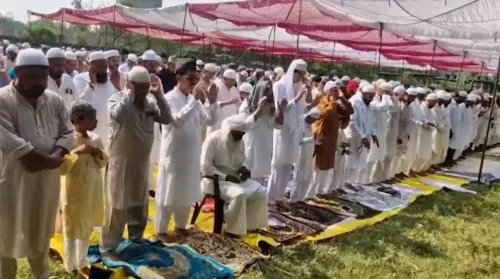
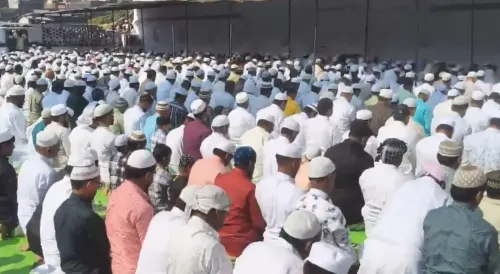
Eid-ul-Adha prayers concluded peacefully across Jammu and Kashmir on 27 May 2025 , with large turnouts at mosques and shrines.
Chief Minister Omar Abdullah , former CMs Dr Farooq Abdullah and Mehbooba Mufti offered prayers at the Hazratbal shrine in Srinagar.
Authorities did not permit Eid prayers at the historic Eidgah grounds in Srinagar's old city — a restriction now in place for 8 consecutive years .
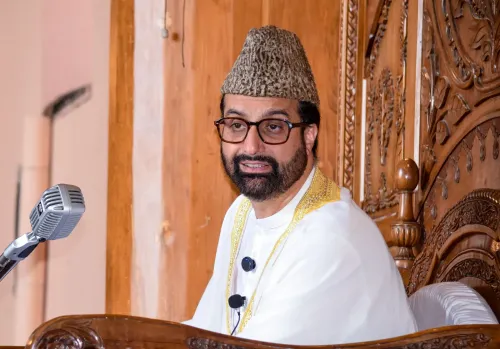
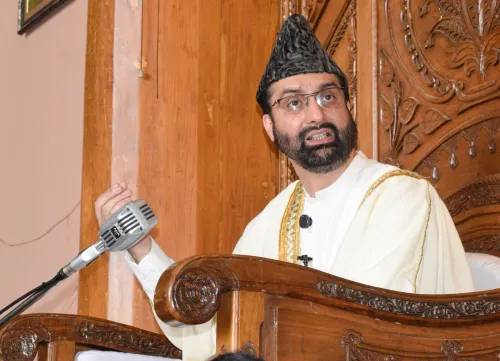
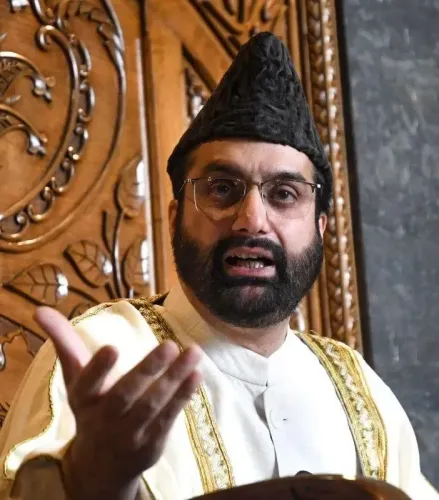
Chief cleric Mirwaiz Umar Farooq was reportedly placed under house arrest and condemned the ban as a 'systematic assault on religious identity.' Security forces and special traffic plans were deployed across the union territory; no untoward incidents were reported.
Eid-ul-Adha prayers concluded peacefully across Jammu and Kashmir on Wednesday, 27 May, as large numbers of devotees gathered at mosques, shrines, and Eidgah grounds throughout the union territory to offer prayers, exchange greetings, and mark the festival. The occasion, which commemorates the tradition of sacrifice set by Prophet Ibrahim and marks the conclusion of the Hajj pilgrimage, was observed with traditional fervour — though a ban on prayers at the historic Eidgah grounds in Srinagar's old city drew sharp criticism from religious leaders.
Key Gatherings Across the Region
Among the largest congregations was at the Hazratbal shrine in Srinagar, where Chief Minister Omar Abdullah, former Chief Ministers Dr Farooq Abdullah and Mehbooba Mufti joined thousands of worshippers for the morning prayers. Significant gatherings were also reported at all district headquarters, including Ganderbal, Bandipora, Kupwara, Pulwama, Shopian, Kulgam, Budgam, Baramulla, and Anantnag.
In Jammu, prayers were held at mosques across the city, with notably larger congregations at the Eidgah ground on Residency Road and in the Bhatindi area. Devotees dressed in traditional attire, and children accompanied their families to mosques and shrines.
Security and Traffic Management
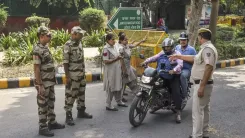
Police and security forces were deployed across the union territory to ensure the safety of worshippers and maintain public order. Special traffic management plans were put in place to handle the movement of large congregations, and the day passed without any reported untoward incident.
Eidgah Ban Draws Religious Leader's Rebuke
The day was not without controversy. Authorities did not permit Eid prayers at the Eidgah grounds in Srinagar's old city — a restriction that has now been in place for eight consecutive years, according to senior cleric Mirwaiz Umar Farooq, who also said he was placed under house arrest on the occasion.
In a post on X, Mirwaiz Umar said: 'For the 8th consecutive year, Muslims of Kashmir have been denied the right to offer Eid prayers at the historic Eidgah/Jama Masjid, and I have been placed under house arrest. On the revered and celebratory occasion of Eid, Muslims of Kashmir are greeted with barricades, restrictions, locked gates and intimidation. This is not governance; it is a systematic assault on our religious identity, dignity and fundamental rights which deeply hurts us.'
He further stated: 'It is very unfortunate that children in Kashmir are growing up without witnessing the spiritually uplifting Eid prayers at Eidgah and the festivities thereof. An entire generation is being deprived of knowing their traditions and making memories that have shaped our collective life for centuries. But let those in power know that no power on earth can erase the deep spiritual bond people of Kashmir share with Eidgah, Jama Masjid and their religious institutions. Faith cannot be imprisoned or suppressed through force.'
Authorities had not issued any official public statement on the restriction at the time of reporting.
Significance of Eid-ul-Adha
Immediately following the morning prayers, Muslims across Jammu and Kashmir observed the ritual of animal sacrifice, in accordance with the tradition commemorating Prophet Ibrahim's willingness to sacrifice his son as an act of obedience. The festival also marks the successful conclusion of the annual Hajj pilgrimage to Mecca.
With the Eidgah ban entering its eighth year and no official explanation forthcoming, the question of religious access at heritage sites in the valley is likely to remain a point of contention in the months ahead.
Point of View
Now entering its eighth year with no public legal or security justification from authorities. Mirwaiz Umar Farooq's house arrest on a religious holiday is not a footnote — it is a signal of how the Centre continues to manage dissent in the valley through administrative restriction rather than engagement. The participation of senior political figures at Hazratbal provides optics of normalcy, but the contrast with the locked gates of the old city Eidgah tells a more complicated story about whose religious access is guaranteed and whose is not.
NationPress
10 Oct 2026
Frequently Asked Questions
Were Eid-ul-Adha prayers held peacefully in Jammu and Kashmir in 2025?
Yes, Eid-ul-Adha prayers concluded peacefully across Jammu and Kashmir on 27 May 2025, with large gatherings at mosques, shrines, and Eidgah grounds throughout the union territory. No untoward incidents were reported.
Why were prayers banned at the Srinagar Eidgah this year?
Authorities did not permit Eid prayers at the historic Eidgah grounds in Srinagar's old city on 27 May 2025. No official public explanation was issued. According to Mirwaiz Umar Farooq, this marks the 8th consecutive year that Muslims have been denied access to the site for Eid prayers.
What did Mirwaiz Umar Farooq say about the Eidgah ban?
Mirwaiz Umar Farooq, the chief cleric of Kashmir, posted on X that he was placed under house arrest on Eid and called the restriction a 'systematic assault on our religious identity, dignity and fundamental rights.' He also said an entire generation of Kashmiri children was being deprived of their traditions.
Which political leaders offered Eid prayers in Srinagar?
Chief Minister Omar Abdullah, former Chief Ministers Dr Farooq Abdullah and Mehbooba Mufti all offered Eid prayers at the Hazratbal shrine in Srinagar on 27 May 2025.
What is the significance of Eid-ul-Adha?
Eid-ul-Adha commemorates Prophet Ibrahim's willingness to sacrifice his son as an act of obedience to God and marks the conclusion of the annual Hajj pilgrimage to Mecca. Muslims observe the day with prayers and the ritual sacrifice of animals.