Eid-ul-Adha 2025: J&K marks Bakrid with prayers for peace on May 27

Synopsis
While most of India marked Bakrid on 28 May, Jammu and Kashmir observed Eid-ul-Adha a day earlier — a distinction rooted in the region's independent Moon-sighting tradition. Large congregations across Budgam, Jammu, Shopian, and Kupwara echoed a unified message: prayers for peace, harmony, and prosperity in a Union Territory still navigating its post-Article 370 identity.
Key Takeaways
Eid-ul-Adha was celebrated across Jammu and Kashmir on 27 May 2025 , a day ahead of most Indian states.
Large congregations gathered in Jammu , Budgam , Banihal , Shopian , and Kupwara .
Anjuman-e-Sharie Shian President Aga Syed Hassan Mosavi Al-Safavi led prayers at the Markazi Imambada in Budgam.
JKNC MLA Sajjad Shaheen extended Eid greetings from Banihal and prayed for peace and progress.
The date difference was due to regional Moon-sighting practices; DoPT and the Supreme Court revised their holiday calendars to 28 May .
Andhra Pradesh and Telangana also shifted the Bakrid holiday to 28 May following Moon-sighting announcements.
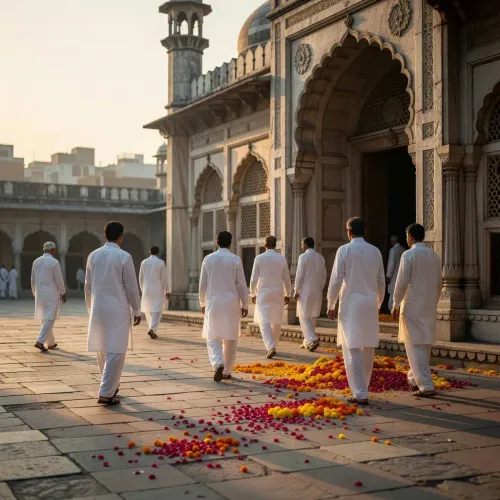
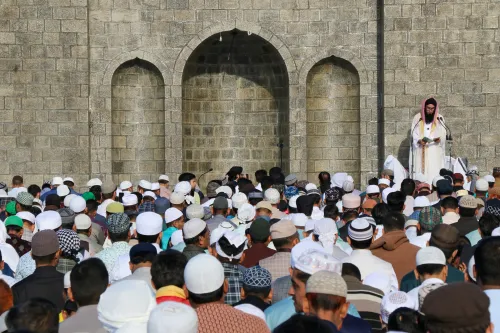
Thousands of worshippers across Jammu and Kashmir gathered at mosques and Eidgahs on Wednesday, 27 May to celebrate Eid-ul-Adha, with congregations spanning Jammu, Budgam, Banihal, Shopian, and Kupwara. The festival, one of Islam's most significant occasions, was observed in the Union Territory a day ahead of most other Indian states, owing to regional Moon-sighting differences.
Large Congregations Across the Union Territory
In Budgam, Anjuman-e-Sharie Shian President Aga Syed Hassan Mosavi Al-Safavi led prayers at the Markazi Imambada, calling on the faithful to embrace compassion and sacrifice. “Along with humanity across the world, I extend my respectful greetings to the Islamic community on this blessed day. Today is a day that teaches us the lesson of compassion, sacrifice, and humanity,” he said.
In Jammu, thousands converged at Eidgah Jammu for the morning prayers. A local resident said, “I pray to Allah that Eid continues to bring happiness every year and that we all live together with love, peace, and affection.”
Sunni Islamic scholar and Shahi Imam of Jamia Masjid Khadike Talab, Mufti Inayatullah Qasmi, extended greetings across the region. “Prayers are being offered everywhere, and we pray that Allah bless everyone with happiness, peace, good health, relief, and prosperity,” he said.
Prayers in Banihal, Shopian, and Kupwara
In Banihal, residents offered prayers at the local Eidgah. Jammu and Kashmir National Conference (JKNC) MLA Sajjad Shaheen extended Eid greetings and prayed for peace and progress across the Union Territory. Thousands also attended prayers in Shopian, while congregations at Jamia Masjid in Kupwara district passed off peacefully.
Why J&K Observed Eid-ul-Adha on May 27
Eid-ul-Adha, also known as Bakrid, commemorates the willingness of Prophet Ibrahim to sacrifice his son in obedience to God — a moment symbolising faith, devotion, and charity. The festival date in Jammu and Kashmir was set for 27 May, while most other Indian states observed it on 28 May. The one-day difference stems from regional Moon-sighting practices; religious bodies in several states announced that the crescent marking the start of Dhul-Hijjah had not been sighted on the earlier date.
National Holiday Adjustments
The date revision prompted schedule changes at the national level. The Department of Personnel and Training (DoPT) announced that Central Government offices in Delhi and New Delhi would remain closed on 28 May instead of 27 May. The Supreme Court revised its holiday calendar accordingly, functioning normally on 27 May and advancing matters earlier listed for 28 May by a day.
States including Andhra Pradesh and Telangana also shifted the Bakrid holiday to 28 May. In Telangana, the Sadar Majlis-e-Ulama-e-Deccan confirmed the revised date after Dhul-Qa'dah completed 30 days. Andhra Pradesh additionally postponed its Intermediate Public Advanced Supplementary Examinations that had been scheduled for 28 May. Notably, J&K's observance on 27 May reflects a longstanding tradition of independent Moon-sighting in the region, distinct from the national consensus date.
Significance of Eid-ul-Adha
Eid-ul-Adha is one of the two principal festivals in Islam, marking the culmination of the annual Haj pilgrimage. Across Jammu and Kashmir, the day was observed with prayers, festive meals, acts of charity, and an emphasis on communal harmony — themes that carry particular resonance in a region that has seen decades of conflict. This year's celebrations were marked by calls for peaceful coexistence from religious and political voices alike.
Point of View
But it is a detail that mainstream coverage often flattens into a footnote. The Moon-sighting divergence is, in practice, a small but persistent marker of the region's distinct religious identity — one that survived even the administrative changes of 2019. The calls for peace and communal harmony from both religious scholars and a JKNC legislator carry more weight than routine festive messaging in a region where normalcy is still being constructed, not assumed. Whether those prayers translate into durable ground-level harmony is the question no Eid speech answers.
NationPress
22 Sept 2026
Frequently Asked Questions
Why did Jammu and Kashmir celebrate Eid-ul-Adha on May 27 while other states observed it on May 28?
Jammu and Kashmir follows its own regional Moon-sighting tradition, which confirmed the start of Dhul-Hijjah a day earlier than the national consensus. Most other Indian states, including Andhra Pradesh and Telangana, observed Bakrid on 28 May after their respective religious bodies announced the revised date.
Which areas in J&K held Eid-ul-Adha congregations?
Large prayer gatherings were held in Jammu, Budgam, Banihal, Shopian, and Kupwara. Notable congregations included the Markazi Imambada in Budgam and the Eidgah in Jammu.
How did the Bakrid date change affect Central Government offices and courts?
The Department of Personnel and Training (DoPT) shifted the Bakrid holiday for Central Government offices in Delhi and New Delhi from 27 May to 28 May. The Supreme Court also revised its holiday calendar, functioning normally on 27 May and advancing matters listed for 28 May by a day.
What is the significance of Eid-ul-Adha?
Eid-ul-Adha, also called Bakrid, commemorates Prophet Ibrahim's willingness to sacrifice his son in obedience to God. It is one of Islam's two principal festivals and coincides with the annual Haj pilgrimage, symbolising faith, sacrifice, charity, and communal unity.
Which states shifted the Bakrid holiday to May 28?
Andhra Pradesh and Telangana both shifted the Bakrid holiday to 28 May following Moon-sighting announcements. In Telangana, the Sadar Majlis-e-Ulama-e-Deccan confirmed the revised date after Dhul-Qa'dah completed 30 days. Andhra Pradesh also rescheduled its Intermediate Public Advanced Supplementary Examinations accordingly.