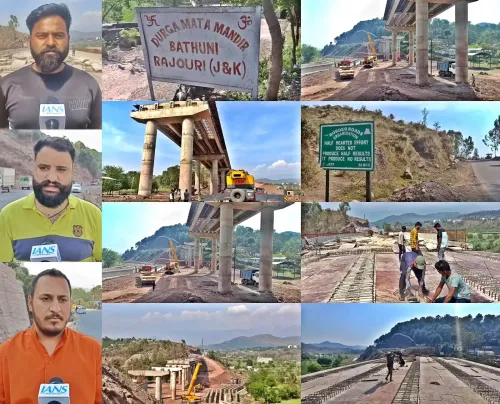
How is J&K's Road Network Surpassing 41,000 km and Enhancing Border Connectivity?
Synopsis
Jammu and Kashmir's road network has expanded to over 41,000 km, significantly enhancing connectivity in remote border areas. This project aims to boost economic activity, improve accessibility to tourist sites, and create job opportunities for locals. Discover how this infrastructure transformation is reshaping the region's future.
Key Takeaways
41,141 km of road network established in Jammu and Kashmir.
Focus on connecting remote and border areas.
Enhancement of economic activities and job creation.
Improved access to important tourist destinations .
Facilitating emergency services and healthcare access.
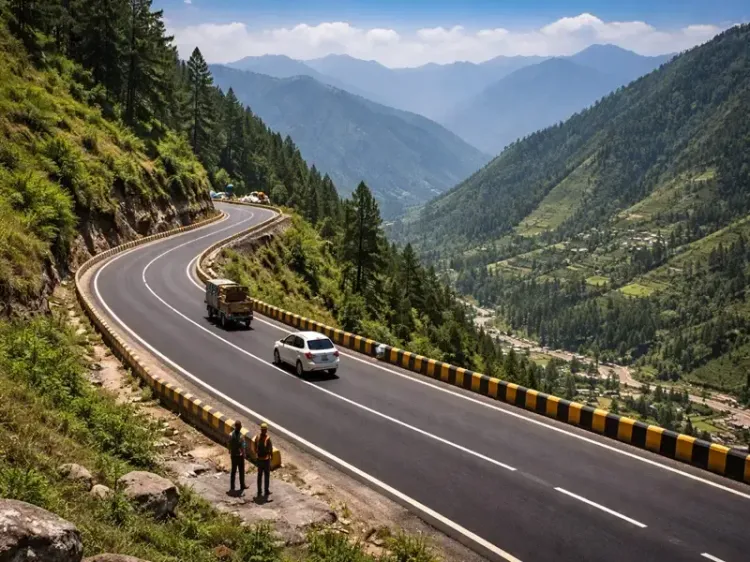
Jammu, Feb 5 (NationPress) Jammu and Kashmir is achieving remarkable progress in road connectivity, with the current road network reaching 41,141 km.
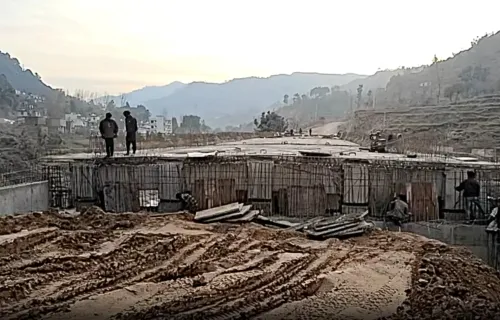
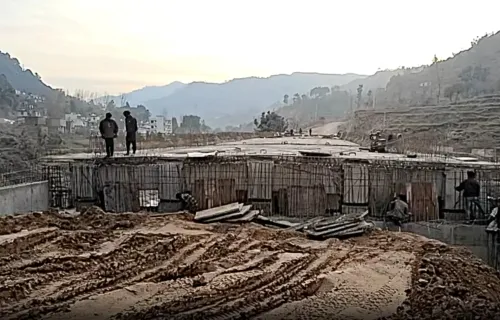
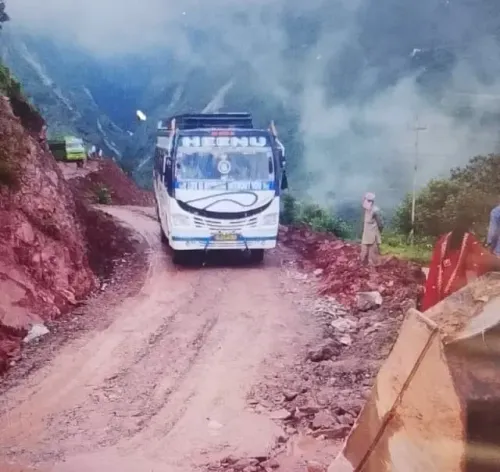
This extensive expansion of road infrastructure is fueled by multi-billion-rupee projects aimed at enhancing connectivity, particularly in remote and often hard-to-reach border regions such as Rajouri, Poonch, Bandipora, Kupwara, Reasi, and other isolated districts.
The primary goal of these road initiatives is to provide all-weather connectivity, minimize travel times, and bolster economic activities in these border districts.
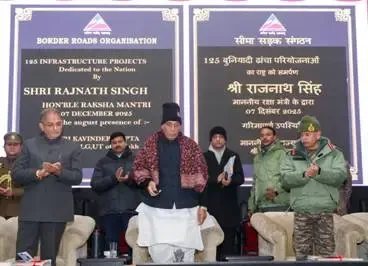
In the border districts of Rajouri-Poonch, the Border Roads Organisation (BRO) is currently working on the construction of the Bahri Pattan-Jhallas road in the Nowshera-Poonch sector, which is becoming a vital route for remote villages and a significant alternative to the Jammu-Rajouri-Poonch National Highway.
This road, covering approximately 213 km, is designed to improve internal connectivity in border regions while ensuring safer and quicker transit for civilians, tourists, and security personnel.
Officials have indicated that this project will be crucial in enhancing infrastructure in the frontline areas along the Line of Control (LoC).
Several key religious and tourist sites, including Baba Betamshah, Mangla Mata Temple, Veer Bhadreshwar Temple, and Pir Shahlakh Dargah, are being linked to Poonch by the BRO to promote border and rural tourism.
The improved connectivity is already creating job opportunities for locals, many of whom previously traveled long distances for daily wage work.
Moreover, transporting patients to hospitals or evacuating the injured during cross-border shelling was quite difficult in the past, but this new road network is expected to facilitate such movements, making them quicker and more affordable.
Villages like Jhangar, Sermakri, Bawani, Kalsian, and nearby areas, once considered remote and inaccessible, are now being connected through this expanding road network, instilling a sense of renewed hope for sustainable development, security, and prosperity.
The achievements in road connectivity are not confined to Rajouri and Poonch districts; they also extend to border areas like Bandipora and Kupwara in the Kashmir Valley.
Point of View
The enhancement of Jammu and Kashmir's road network symbolizes a significant stride towards regional development and stability. Such infrastructure projects not only facilitate connectivity but also foster economic growth and secure the borders of our nation. The progress witnessed here reflects our commitment to ensuring that every citizen has access to essential services and opportunities.
NationPress
19 Sept 2026
Frequently Asked Questions
What is the total length of Jammu and Kashmir's road network?
The current road network in Jammu and Kashmir stands at 41,141 km.
What are the key areas benefiting from the road expansion?
The road expansion primarily benefits remote border areas such as Rajouri, Poonch, Bandipora, and Kupwara.
How will the new roads improve local economies?
These new roads will reduce travel times, enhance access to markets, and create job opportunities for local residents.
What is the significance of the Bahri Pattan-Jhallas road?
The Bahri Pattan-Jhallas road is a crucial route for remote villages and serves as a significant alternative to the Jammu-Rajouri-Poonch National Highway.
How does improved connectivity affect healthcare access?
Improved road connectivity facilitates quicker transportation of patients to hospitals, making healthcare more accessible and affordable.