Jharkhand CMO invites visit to Seraikela Chhau stall
Synopsis
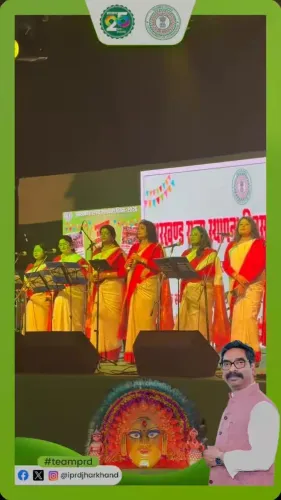
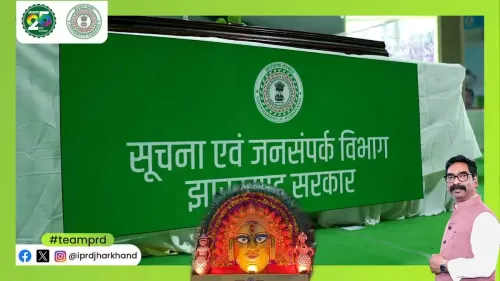
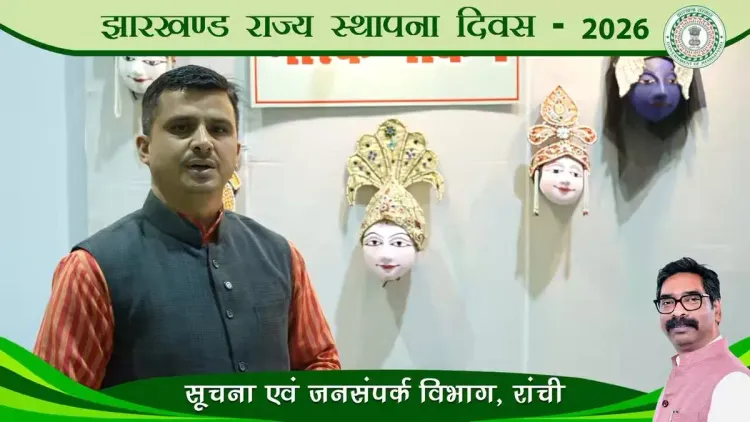
Jharkhand's Chief Minister's Office on 28 November 2026 invited the public to an Establishment Day stall of Seraikela Chhau masks, calling the art something felt rather than merely seen. The masks, it said, draw from the Ramayana, the Mahabharata and nature. The post tagged the Seraikela district administration.
Key Takeaways
The Chief Minister's Office of Jharkhand on 28 November 2026 invited the public to an Establishment Day stall of Seraikela Chhau masks.
The office said the traditional masks are inspired by the Ramayana, the Mahabharata and nature.
It described the art as something felt, not merely seen, and tagged the Seraikela district administration.
Seraikela-Kharsawan district is the home of a distinct Chhau masked dance tradition.
UNESCO listed Chhau dance as Intangible Cultural Heritage of Humanity in 2010.
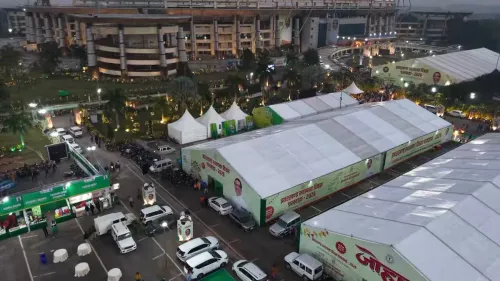
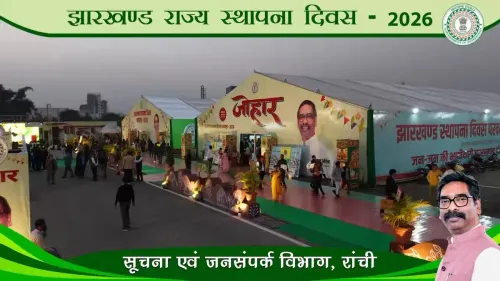
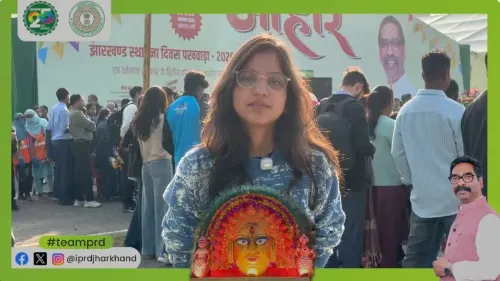
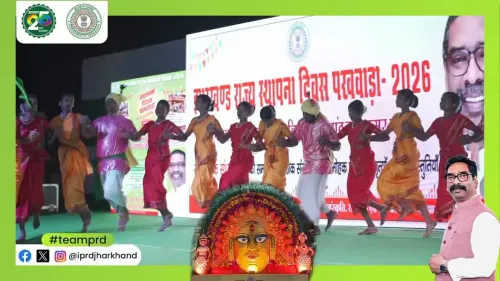
Feel it, do not just look. That was the pitch from the Chief Minister's Office of Jharkhand on 28 November 2026, as it placed the painted visages of Seraikela Chhau at the centre of an Establishment Day stall. Tagging the Seraikela district administration, the office said the traditional masks draw from the Ramayana, the Mahabharata and nature, and asked the public to come.
In Hindi the office wrote: कला जो सिर्फ देखी नहीं जाती, महसूस की जाती है ('Art that is not merely seen, but felt'). It named the craft, named the sources of its imagery, and closed with a direct appeal: do visit the Establishment Day stall.
Seraikela's Chhau masks, cut from epic and forest
Seraikela-Kharsawan district is the home ground of a distinct Chhau style — a masked dance-drama in which the performer vanishes behind an elaborate face. Those faces are not ornaments. They are the character: gods and warriors from the epics, and creatures and seasons drawn from the forests around Seraikela.
Artisans still carve and paint the visages by hand. A visitor to a stall meets that labour first — wood, colour, expression — before any dancer ever takes the stage.
UNESCO listing, and Jharkhand's stall diplomacy
In 2010, UNESCO inscribed Chhau dance as an Intangible Cultural Heritage of Humanity, covering the Seraikela tradition alongside kindred forms. The listing hardened a duty that Jharkhand governments have pursued since the state's creation in 2000: put indigenous performing arts and crafts in public view, not only in village akharas.
Official stalls have become a routine stage for that work. The people who actually keep the form alive are Chhau artisans and local cultural groups. A call from the Chief Minister's Office, and a tag to the district administration, is a bid for footfall as much as for pride.
The post listed no venue, no hour, no programme. What it did spell out was the art itself — and an invitation to stand close enough to feel it.
In Seraikela, the dancer disappears so the story can walk. The stall is where the public meets the face that does the walking.
Point of View
Culture is treated as a public exhibit, not only a village practice. Spotlights like this convert heritage into footfall for artisans whose masks are the actual product. The tag to the Seraikela district administration also shows how the state now routes cultural promotion through district machinery. The test is whether such stalls remain seasonal displays or become a steady market for Chhau makers.
NationPress
28 Nov 2026
Frequently Asked Questions
What is Seraikela Chhau dance?
Seraikela Chhau is a traditional masked dance-drama from Seraikela-Kharsawan district in Jharkhand. Performers use elaborate masks inspired by the Ramayana, the Mahabharata and nature.
Did UNESCO recognise Chhau dance?
Yes. UNESCO inscribed Chhau dance as an Intangible Cultural Heritage of Humanity in 2010. The listing includes the Seraikela tradition.
What did the Jharkhand CMO say about Chhau masks?
On 28 November 2026 the Chief Minister's Office of Jharkhand described Seraikela Chhau as art that is felt, not merely seen. It invited the public to an Establishment Day stall of traditional masks and tagged the Seraikela district administration.
Where is Seraikela-Kharsawan?
Seraikela-Kharsawan is a district in Jharkhand known for its distinct Chhau dance and mask-making tradition. The district administration was tagged in the CMO post about the stall.
Why are Chhau masks important in Jharkhand?
The masks are the core of Seraikela Chhau performance, turning the dancer into epic or natural characters. They also sustain a local artisan economy that state events try to showcase.