Jharkhand Congress marches in Ranchi, demands separate OBC column in caste census
Synopsis
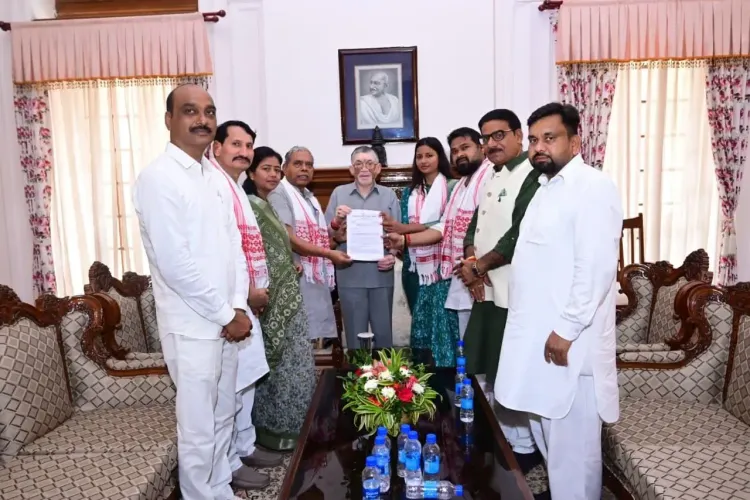
Jharkhand Congress took its OBC caste census demand to the streets of Ranchi on 16 September, marching to Lok Bhavan and submitting a memorandum to the President via the Governor. With senior ministers, MLAs, and former MPs joining ranks, the party is signalling that accurate OBC enumeration — not just a headcount — will be a defining political battleground in the state.
Key Takeaways
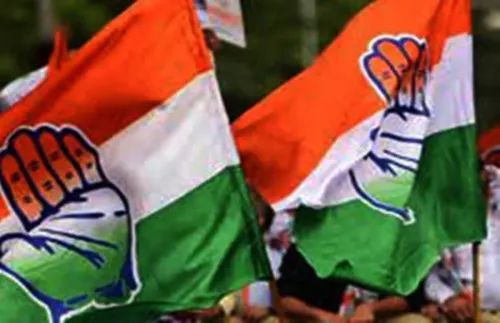
Indian National Congress held a march to Lok Bhavan, Ranchi on 16 September 2026 , demanding a separate OBC column in the national caste census.
The march began at Bapu Vatika and was led by Nishant Jaiswal , President of the Pradesh Congress OBC Department.
A memorandum addressed to the President of India was submitted via the Jharkhand Governor , urging the Centre to act.
State Congress President Keshav Mahto Kamlesh , Rural Development Minister Deepika Pandey Singh , and Health Minister Irfan Ansari were among the senior leaders who addressed the march.
Congress has framed the demand as critical for social justice, proportional representation, and effective policymaking for OBC communities.
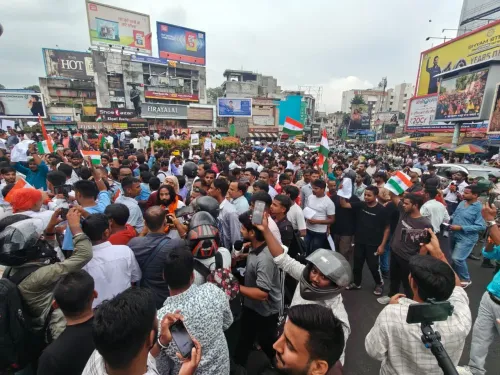
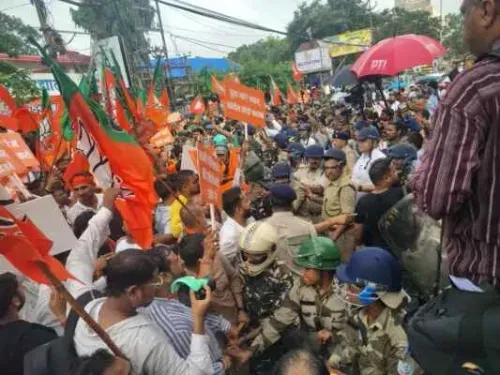
The Indian National Congress on Wednesday, 16 September 2026, organised a march to Lok Bhavan in Ranchi, the capital of Jharkhand, demanding that a separate column for Other Backward Classes (OBCs) be included in the forthcoming national caste census. A Congress delegation subsequently submitted a memorandum addressed to the President of India, routed through the Jharkhand Governor, urging the Centre to act on the demand before the census exercise is finalised.
How the March Unfolded
The procession began at Bapu Vatika and drew Congress leaders, party workers, and OBC representatives from multiple districts across the state. It was led by Nishant Jaiswal, President of the Pradesh Congress OBC Department. The party had announced the march in advance as part of a broader campaign on the OBC enumeration issue.
What Congress Leaders Said
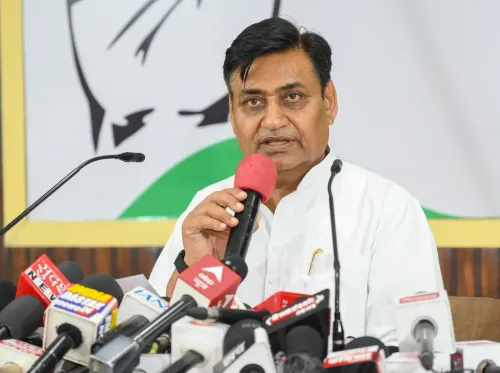
State Congress President Keshav Mahto Kamlesh said the caste census should not be viewed merely as a data-collection exercise. He argued that accurate figures on the OBC population and its socio-economic conditions are essential for framing effective policies and welfare schemes.
Rural Development Minister Deepika Pandey Singh framed the demand as one of social justice, saying comprehensive and credible data is crucial for policy in education, employment, healthcare, and economic empowerment. Health Minister Irfan Ansari added that a clear OBC enumeration would reveal the community's actual population and enable targeted development programmes.
Leader of the Congress Legislature Party in the Jharkhand Assembly, Pradeep Yadav, described a separate OBC column as essential for both policy formulation and adequate representation. Yogendra Yogi, In-charge of the Pradesh Congress OBC Department, said the party would continue to pursue the demand through democratic and constitutional means. Former MP Dhiraj Prasad Sahu and former State Congress President Rajesh Thakur also backed the call for authentic OBC data.
The Core Demand and Its Significance
Congress leaders argued that reliable data on OBC population share and socio-economic standing has long been missing from official records, limiting the ability of governments to design proportionate welfare and reservation policies. The party has consistently demanded a separate code and clear identification mechanism for OBCs in the caste census — a position it has linked to the broader national debate on sub-categorisation and proportional representation.
This comes amid a wider political conversation around the caste census, with multiple parties and social groups pressing the Centre to ensure granular enumeration of backward communities. Jharkhand, with a significant OBC electorate, is a particularly sensitive arena for such demands.
What Happens Next
The memorandum submitted through the Governor now awaits a response from the Central government. Congress leaders indicated they would continue their campaign through democratic channels if the demand is not addressed in the census design. The party's sustained pressure on this issue signals that OBC enumeration is likely to remain a politically charged subject in Jharkhand ahead of future electoral cycles.
Point of View
Sub-group data remains opaque and reservation arithmetic stays contested. What is missing from the party's pitch, however, is any accountability for the decades when it held power at the Centre and did not mandate such enumeration. The credibility of the demand will ultimately rest on whether Congress pushes for a binding legislative or administrative framework — or treats this march as electoral positioning alone.
NationPress
16 Sept 2026
Frequently Asked Questions
What did the Jharkhand Congress march in Ranchi demand?
The Jharkhand Congress march on 16 September 2026 demanded that the Centre include a separate column for Other Backward Classes (OBCs) in the upcoming national caste census, ensuring the community's actual population and socio-economic status are accurately recorded.
Where was the memorandum submitted and to whom?
The Congress delegation submitted the memorandum to the Jharkhand Governor, addressed to the President of India, urging the Central government to incorporate the separate OBC column in the census design.
Who led the march and which leaders participated?
The march was led by Nishant Jaiswal, President of the Pradesh Congress OBC Department. Senior leaders including State Congress President Keshav Mahto Kamlesh, Rural Development Minister Deepika Pandey Singh, Health Minister Irfan Ansari, Legislature Party Leader Pradeep Yadav, former MP Dhiraj Prasad Sahu, and former State Congress President Rajesh Thakur also participated.
Why does Congress say a separate OBC column in the caste census is important?
Congress leaders argue that reliable data on the OBC population share and socio-economic conditions is essential for formulating targeted welfare schemes, reservation policies, and programmes in education, employment, and healthcare. They say the absence of clear OBC enumeration has historically limited proportional representation and effective policymaking.
What happens next after the memorandum was submitted?
The memorandum now awaits a response from the Central government. Congress has said it will continue to pursue the demand through democratic and constitutional means, suggesting further campaigning if the Centre does not address the issue in the census framework.