Rajasthan OBC survey launched for panchayat, civic polls; 51,168 enumerators deployed
Synopsis
Rajasthan has deployed 51,168 enumerators across every district to digitally map OBC households — a court-mandated prerequisite before reservation rosters can be drawn and election dates announced. With a High Court contempt petition already filed over poll delays, the 23 July survey deadline is under intense legal and political pressure.
Key Takeaways
Rajasthan's statewide OBC digital survey began on 10 July and runs until 23 July 2025 .
51,168 government enumerators are visiting households across all districts via the Rajdhara Survey Mobile App .
Data will determine OBC reservation for Gram Panchayats , Municipal Bodies , Panchayat Samitis , and Zila Parishads .
Former MLA Sanyam Lodha has filed a contempt petition in the Rajasthan High Court over delays in holding local body elections by 31 July .
Commission Secretary Ashok Kumar Jain said recommendations will be submitted to the state government in line with Supreme Court and High Court directives.
Training was conducted on 7 July for 82 district-level nodal officers, 765 block-level officers, and 1,428 master trainers.
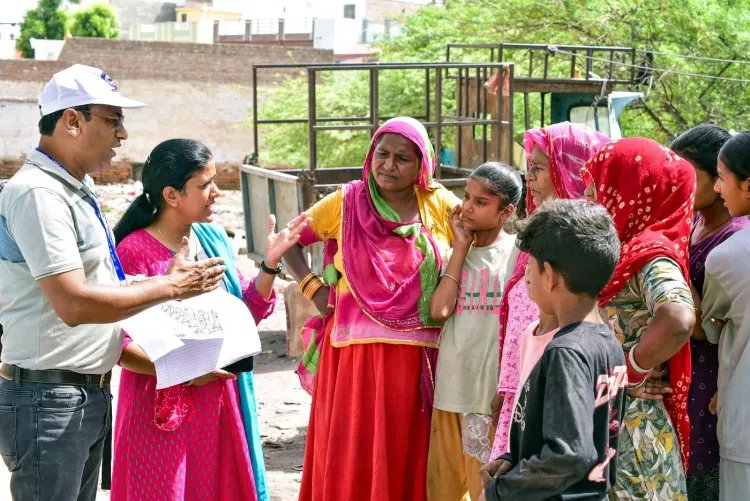
A statewide digital survey of Other Backward Class (OBC) families was launched across Rajasthan on Friday, 10 July, marking a pivotal step toward establishing legally compliant reservation quotas for the long-delayed Panchayat and Urban Local Body (ULB) elections. The exercise, conducted through the Rajdhara Survey Mobile App, will run until 23 July and is being overseen by the Rajasthan State Other Backward Classes (Political Representation) Commission.
Scale and Structure of the Survey
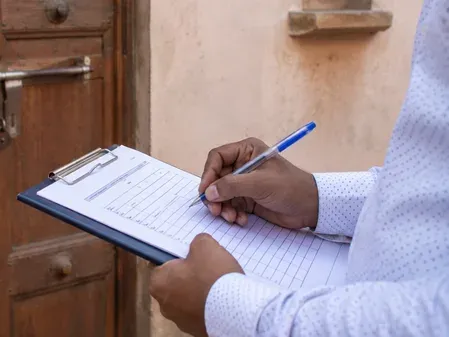
A total of 51,168 government enumerators have been deployed across all districts of the state to visit households and digitally collect data on the social, educational, economic, and demographic profile of OBC families. The findings will directly inform the reservation framework for elections to Gram Panchayats, Municipal Bodies, Panchayat Samitis, and Zila Parishads.
To prepare field officials, training sessions were conducted on 7 July via video conferencing for 82 district-level nodal officers, 765 block-level officers, and 1,428 master trainers. An Additional District Collector (ADC) has been designated as the Chief District Coordinator in every district to oversee implementation and resolve on-ground issues.
Why the Survey Was Ordered
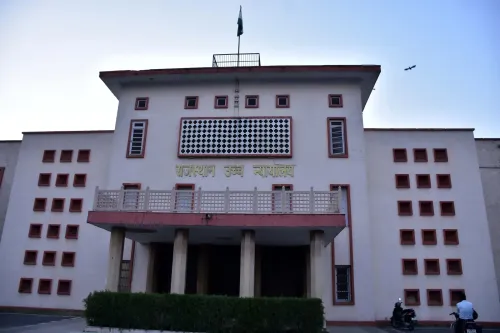
The survey comes amid prolonged delays in Rajasthan's local body elections, stemming from the absence of updated data required to determine reservations for OBCs, Scheduled Castes (SCs), Scheduled Tribes (STs), and women — a constitutional and judicial prerequisite. The situation was further complicated when former MLA Sanyam Lodha filed a contempt petition in the Rajasthan High Court, citing non-compliance with the Court's earlier direction to hold local body elections by 31 July.
This is not an isolated episode. Courts across India have repeatedly held that reservation in local bodies cannot proceed without a contemporaneous empirical exercise — a standard set by the Supreme Court's triple-test doctrine. Rajasthan's survey is a direct response to that legal framework.
What the Commission Said
Commission Secretary Ashok Kumar Jain stated that the primary objective of the digital survey is to generate accurate and current data on OBC political representation in local bodies. Based on the findings, the Commission will submit recommendations to the state government in line with directives from the Supreme Court and the Rajasthan High Court, enabling the government to finalise reservation rosters and proceed with elections.
The Commission has emphasised that there is 'little scope' for extending the 23 July deadline, and has urged local administrations to resolve technical issues immediately. The state government has directed all District Collectors, urban local bodies, and the Panchayati Raj Department to coordinate closely to ensure the survey is completed without disruption.
Transparency and Data Quality Measures
The Commission will monitor the survey process in real time at the state level through the app's digital backend, with the aim of minimising discrepancies and maintaining data integrity. OBC families have been urged to provide accurate information during household visits.
The Commission has also sought cooperation from political parties, elected representatives, social organisations, and citizens to ensure the process is completed smoothly and without controversy — a signal that the exercise is expected to face political scrutiny given its direct bearing on seat reservation outcomes.
What Happens Next
Once the survey concludes on 23 July, the Commission will analyse the data and submit its recommendations to the state government. The government will then finalise the reservation roster, clearing the way for election dates to be announced. The pace of this post-survey process will be closely watched, given the pending High Court contempt proceedings and the political stakes attached to OBC reservation in Rajasthan's rural and urban local bodies.
Point of View
But the timing exposes a familiar pattern: Rajasthan, like several other states, has repeatedly deferred local body elections by citing the absence of OBC data — the very data that a proactive commission should have been updating continuously. With a contempt petition already before the High Court and a 31 July election deadline looming, the 23 July survey closure leaves almost no buffer for analysis, recommendation, roster finalisation, and poll notification. If the government misses that window, it will face not just political embarrassment but potential judicial sanction. The real question is whether this survey accelerates elections or becomes the next procedural hurdle in a long chain of delays.
NationPress
8 Oct 2026
Frequently Asked Questions
Why has Rajasthan launched an OBC survey before panchayat elections?
The survey is legally required before reservation quotas can be assigned to local body seats. Courts, including the Supreme Court, have held that OBC reservation in local bodies must be backed by contemporaneous empirical data on political representation — without it, reservation rosters cannot be legally finalised and elections cannot proceed.
How long will the Rajasthan OBC survey run and who is conducting it?
The survey runs from 10 July to 23 July 2025 and is being conducted by the Rajasthan State Other Backward Classes (Political Representation) Commission. A total of 51,168 government enumerators are visiting households across all districts using the Rajdhara Survey Mobile App.
What is the contempt petition filed in the Rajasthan High Court about?
Former MLA Sanyam Lodha filed a contempt petition in the Rajasthan High Court alleging non-compliance with the Court's earlier direction to hold local body elections by 31 July. The petition has added legal pressure on the state government to complete the survey and announce election dates without further delay.
Which elections will be affected by the OBC survey findings?
The survey data will determine OBC reservation for elections to Gram Panchayats, Municipal Bodies, Panchayat Samitis, and Zila Parishads across Rajasthan. Reservation for Scheduled Castes, Scheduled Tribes, and women in these bodies will also be guided by the broader data collected.
What happens after the survey is completed on 23 July?
The Commission will analyse the data and submit recommendations to the state government in line with Supreme Court and Rajasthan High Court directives. The government will then finalise the reservation roster, after which election dates can be formally announced.