CBFC reconstituted: Preity Zinta, Pankaj Tripathi among 18 new members
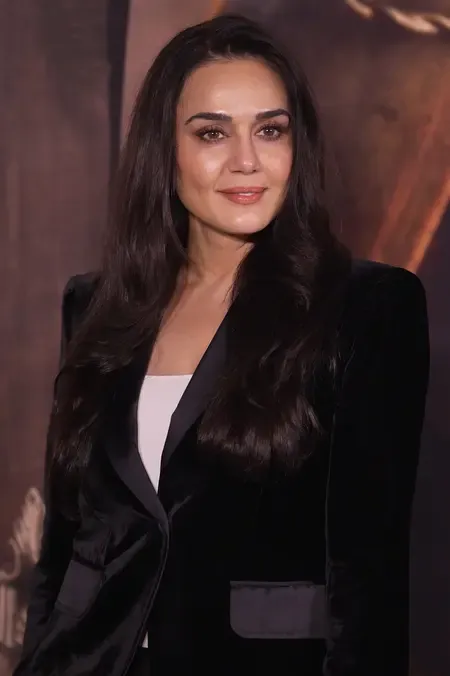
Synopsis
The Ministry of Information and Broadcasting has overhauled the CBFC's 18-member advisory committee, bringing in Preity Zinta, Pankaj Tripathi, Roopali Ganguly, and Pallavi Joshi — even as the board's chairpersonship remains unchanged and the industry's censorship row, starkly highlighted by the 'Satluj' controversy, remains unresolved.
Key Takeaways
The Ministry of Information and Broadcasting reconstituted the CBFC on 16 September 2026 with an 18-member committee .
New members include Preity Zinta , Suniel Shetty , Pankaj Tripathi , Roopali Ganguly , Pallavi Joshi , Prosenjit Chatterjee , and others.
The committee is appointed for three years or until further orders under the Cinematograph Act, 1952 .
Shashi Shekhar Vempati continues as CBFC chief; no change in chairpersonship was announced.
The reconstitution follows a prolonged row over the certification of 'Satluj' (formerly 'Punjab 95'), which was reportedly asked for 127 cuts and removed from OTT within 48 hours of release.
The Ministry of Information and Broadcasting has reconstituted the Central Board of Film Certification (CBFC), naming an 18-member committee that includes prominent film and television personalities. The reconstitution was announced by the CBFC on its official social media channels on Wednesday, 16 September 2026, and takes effect under sub-section (1) of Section 3 of the Cinematograph Act, 1952, read with Rule 3 of the Cinematograph (Certification) Rules, 2024.
Who Is on the Reconstituted Board
The newly constituted 18-member panel draws from across the Hindi film industry, regional cinema, and television. Confirmed members include actors Preity Zinta, Suniel Shetty, Pankaj Tripathi, and Manoj Joshi; television personality Roopali Ganguly; actress and producer Pallavi Joshi; filmmaker Neela Madhab Panda; and Bengali cinema stalwart Prosenjit Chatterjee, among others. The committee has been appointed for a period of three years, or until further orders from the Centre.
Leadership Position Remains Unchanged
Notably, the CBFC has not issued any communication regarding a change in its chairpersonship. Shashi Shekhar Vempati, who replaced Prasoon Joshi as board chief in May 2026, continues in that role. Vempati previously served as chief executive officer of Prasar Bharati between 2017 and 2022 — a position that Prasoon Joshi currently holds.
Context: The Censorship Debate
The reconstitution arrives against the backdrop of a prolonged controversy over CBFC certification practices. The film 'Satluj' — starring Diljit Dosanjh and originally titled 'Punjab 95' — spent nearly three years in limbo after being submitted to the CBFC in 2022. Its makers reportedly alleged that the board demanded 127 cuts. The film was eventually released on OTT in July 2026 under its new title and without cuts — only to be pulled from the platform in India within 48 hours. The episode intensified calls from filmmakers and critics for greater transparency and accountability in the certification process.
What the Reconstitution Signals
The inclusion of industry figures with diverse regional and linguistic backgrounds — from Hindi mainstream to Bengali and Odia cinema — suggests an attempt to bring broader representational credibility to the board. Critics argue, however, that reconstituting the committee without addressing the structural opacity in certification decisions may not resolve the underlying concerns. The CBFC's next steps, particularly on guidelines for OTT certification, are being closely watched by the film industry.
Point of View
Time-bound certification process with an independent appellate track. Until those mechanisms are codified, reconstituting the committee every few years will remain cosmetic. The more telling signal will come when the board publishes its certification guidelines for OTT — a space still operating in a regulatory grey zone.
NationPress
16 Sept 2026
Frequently Asked Questions
What is the reconstituted CBFC committee?
The Central Board of Film Certification (CBFC) has been reconstituted by the Ministry of Information and Broadcasting with 18 members including Preity Zinta, Pankaj Tripathi, Roopali Ganguly, and Pallavi Joshi, among others. The committee is appointed for three years under the Cinematograph Act, 1952.
Who are the new members of the CBFC 2026?
The 18-member committee includes Preity Zinta, Suniel Shetty, Roopali Ganguly, Pallavi Joshi, Pankaj Tripathi, Manoj Joshi, Neela Madhab Panda, and Prosenjit Chatterjee, among others. The full list was announced by the CBFC on its official social media on 16 September 2026.
Who is the current chief of the CBFC?
Shashi Shekhar Vempati is currently the CBFC chairperson, having replaced Prasoon Joshi in May 2026. No change in chairpersonship was announced alongside the committee reconstitution.
What is the 'Satluj' controversy linked to the CBFC?
'Satluj', starring Diljit Dosanjh and originally titled 'Punjab 95', was submitted to the CBFC in 2022 but reportedly faced demands for 127 cuts, keeping it unreleased for nearly three years. It eventually appeared on OTT in July 2026 without cuts but was removed from the Indian platform within 48 hours.
How long will the reconstituted CBFC committee serve?
The newly appointed 18-member CBFC committee will serve for three years or until further orders from the Central Government, as per the reconstitution notice issued under the Cinematograph Act, 1952.